
Last updated October 15, 2026
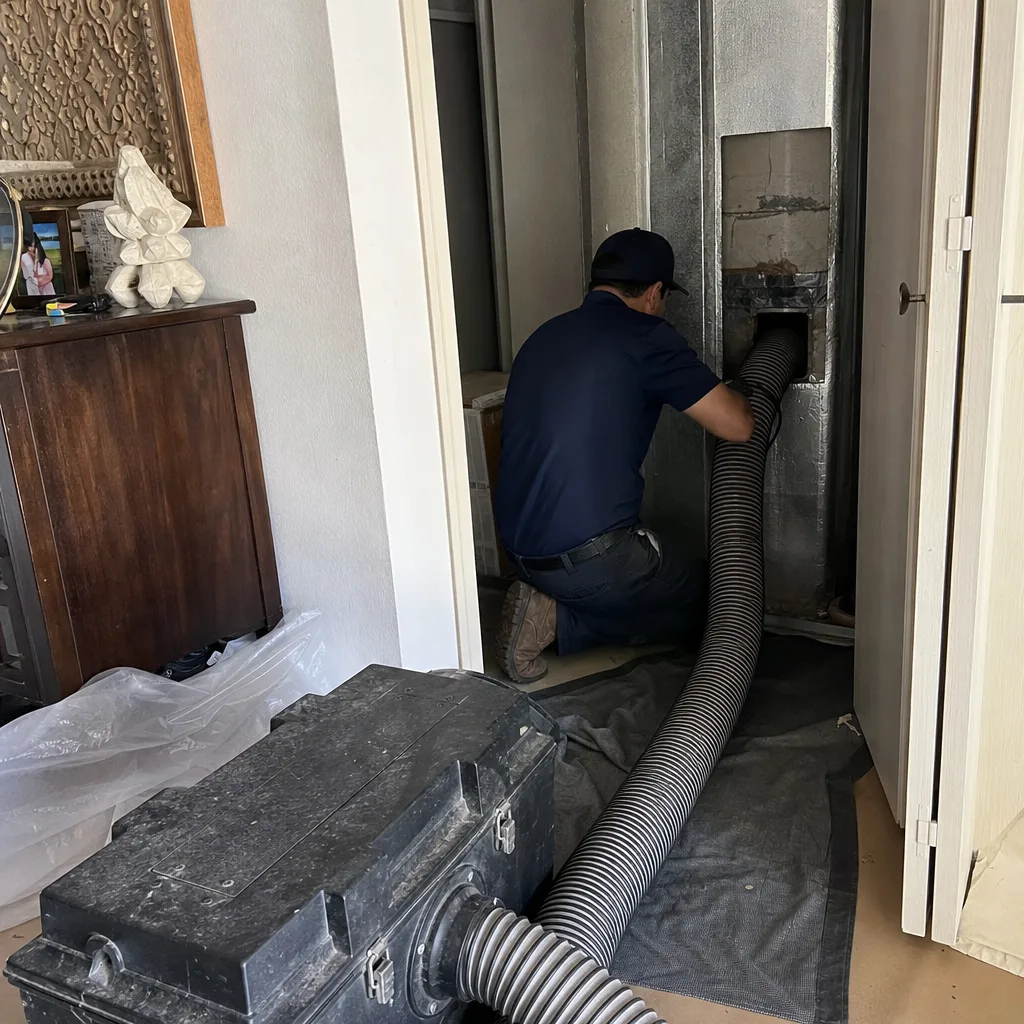
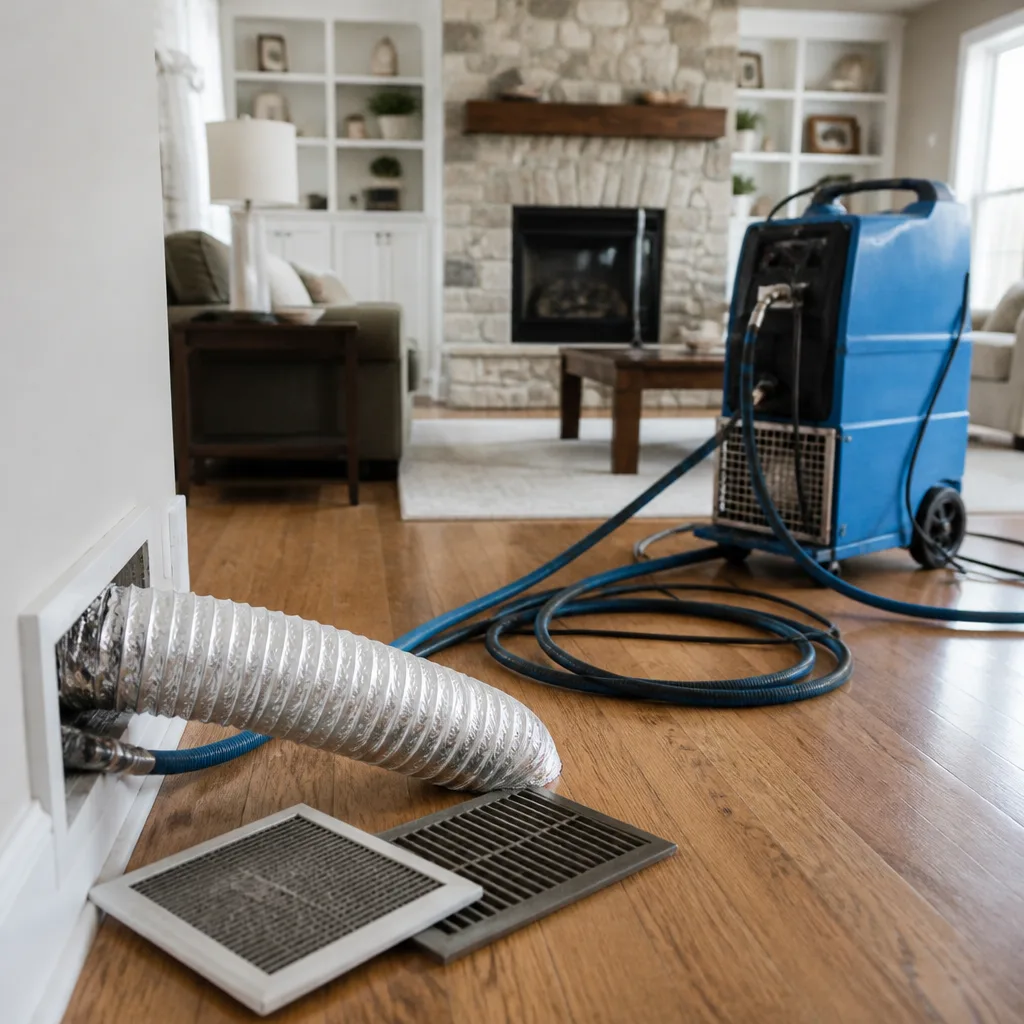 Whole-home duct cleaning
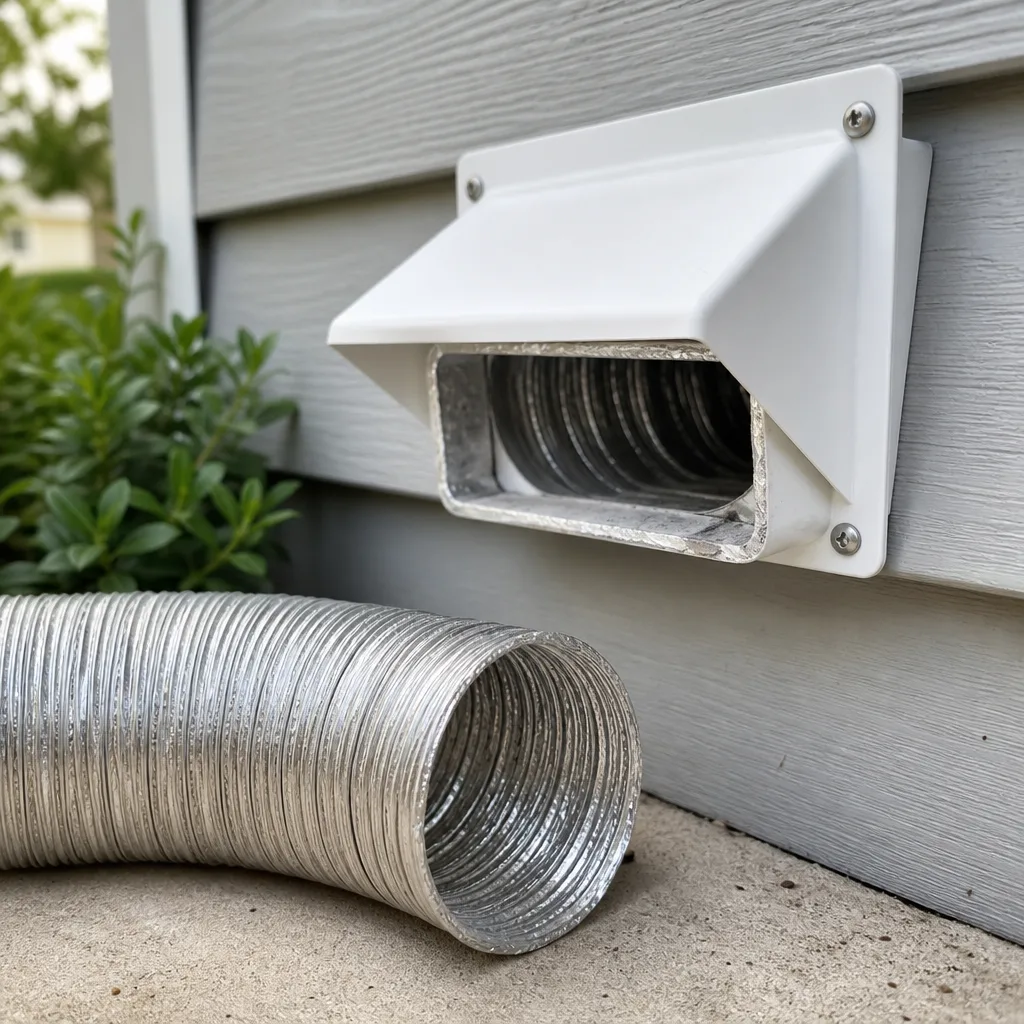 Dryer vent cleaning
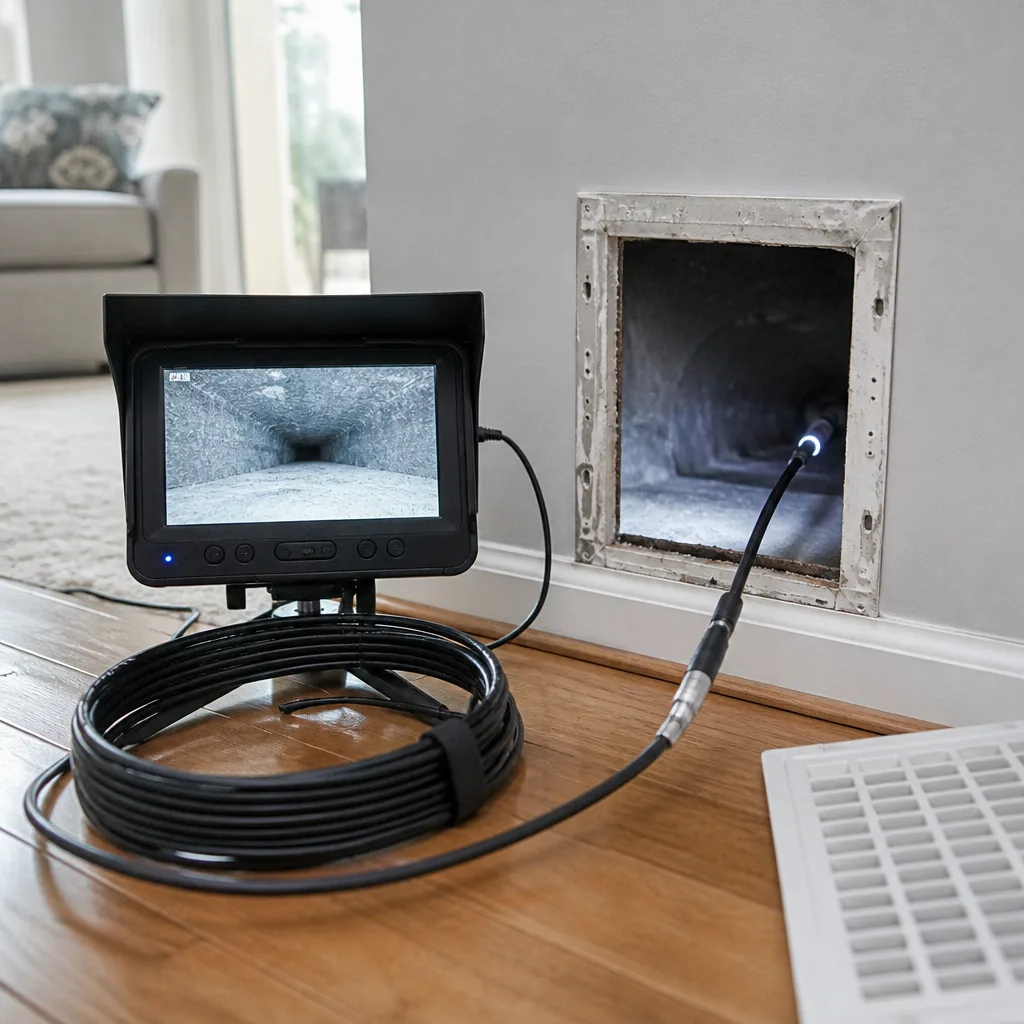 Camera inspection
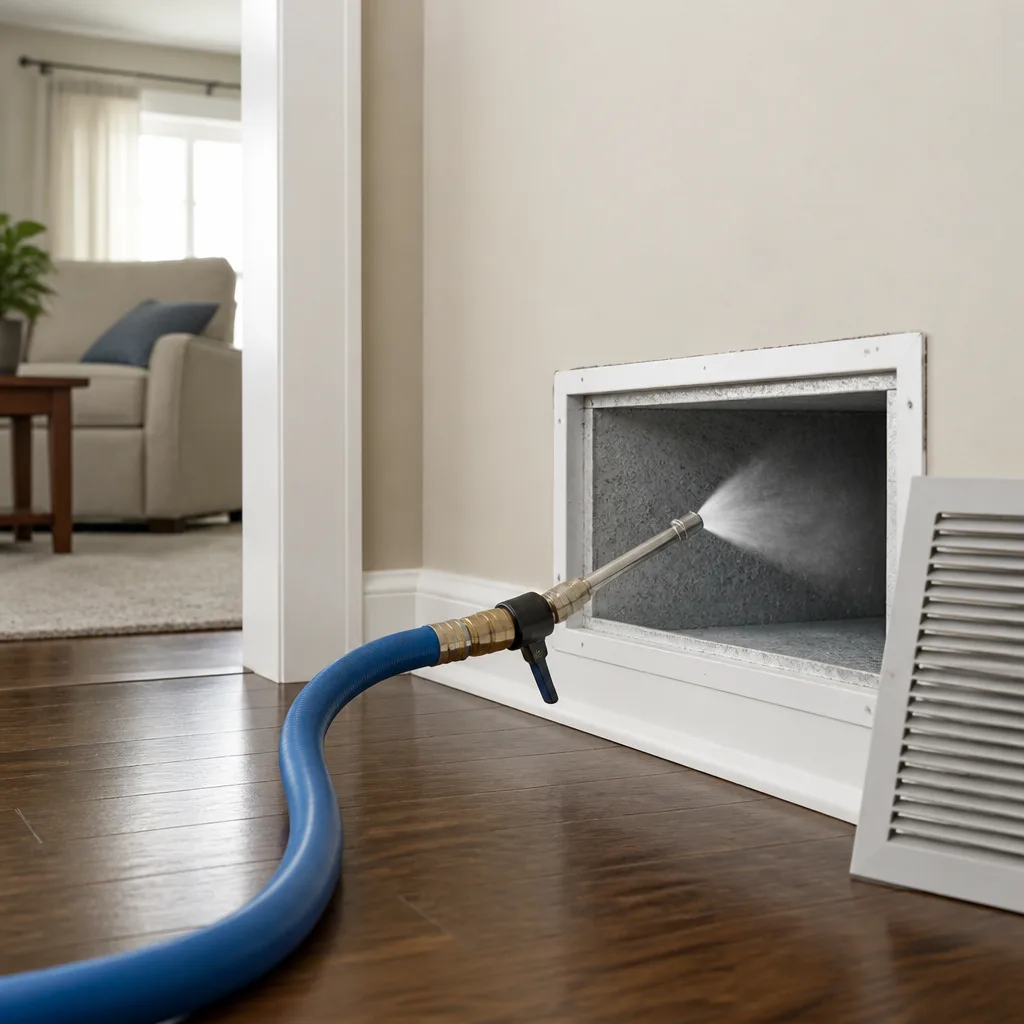 Sanitizing & deodorizing
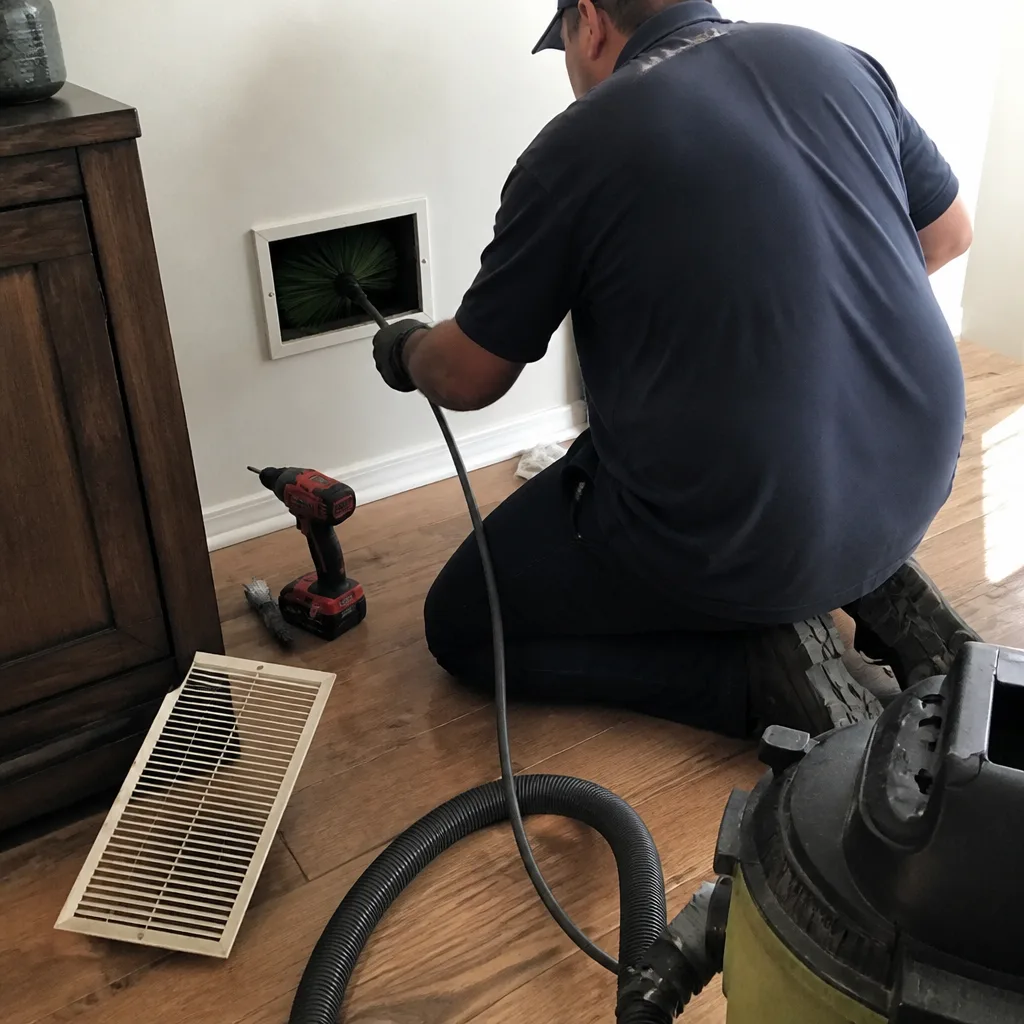
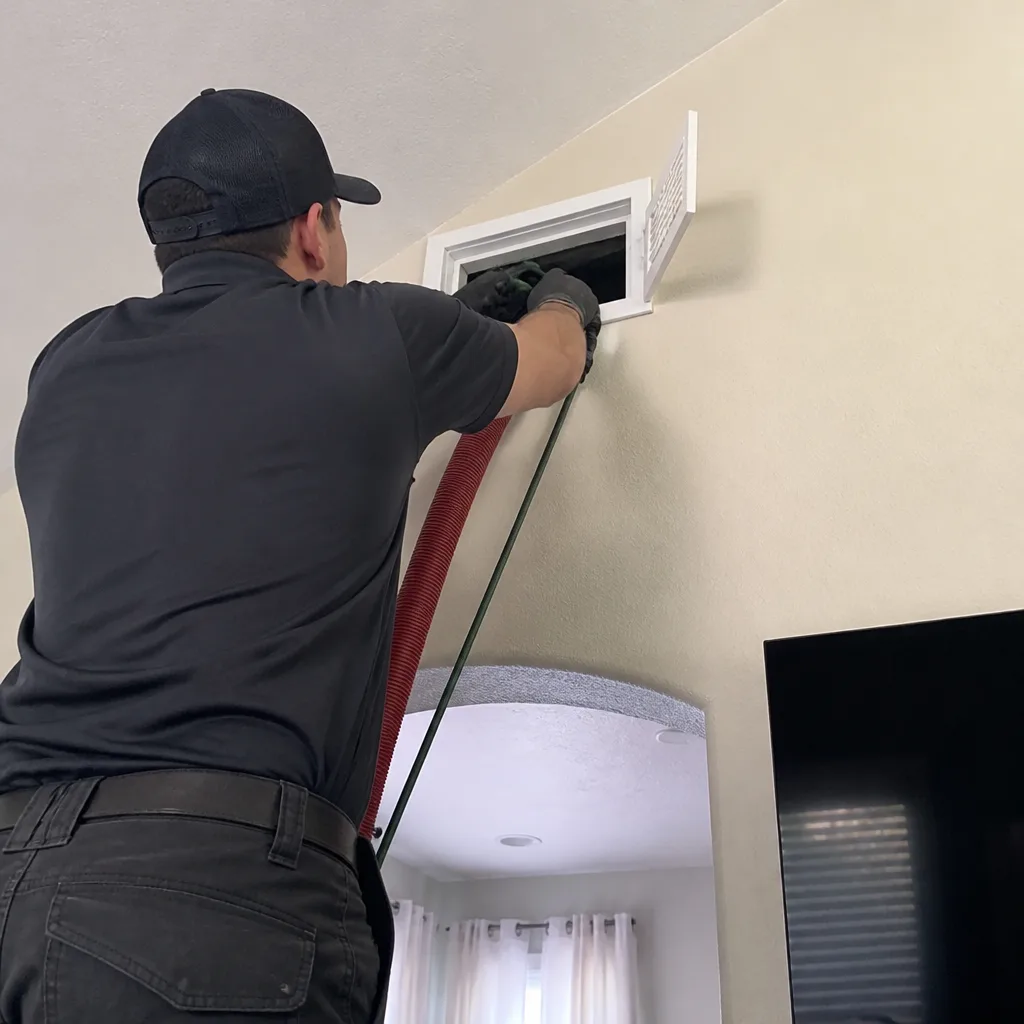
Whole-system duct and dryer vent check with before-and-after photos - you see exactly what came out of your vents
That "$99 whole-house special" is a bait ad - the real number appears once they are in your hallway, or the "clean" is a shop-vac at the register. We photograph the inside of your ducts before and after instead.
Air Duct Cleaning Warning Signs: A Fort Worth Homeowner’s Reference Guide
Most Fort Worth homeowners call for air duct cleaning after seeing something that looks alarming but usually means the system is working correctly. A gray film on your register face is not proof your ducts are contaminated. It’s evidence your filter caught what it was supposed to catch. The signals that actually point inside the ductwork are more specific: odor that travels through the vents, airflow that drops in some rooms but not others, and staining that follows the seams of accessible duct runs. This guide explains how to read each sign, where to look, and which ones justify a service call versus a $14 filter swap.
Quick Answer
The clearest warning signs that your ducts need cleaning are odors that come from the vents when the system runs, visible mold or dark staining at duct seams, and airflow that has weakened in specific rooms despite a clean filter. Dust on the register grille alone is rarely a duct problem. In Fort Worth’s clay-heavy, high-pollen climate, we also tell homeowners to watch for gray dust returning within days of cleaning plus a jump in allergy symptoms whenever the air conditioner cycles on.
Styles & brands we work with
Table of Contents
- Register Dust vs. Duct Contamination: How to Tell the Difference
- Odor Mapping: Musty, Burning, or Chemical Smells and What They Mean
- Airflow Imbalance: When Some Rooms Won’t Reach the Set Temperature
- Visual Inspection of Accessible Ducts: Seam Staining vs. Surface Dust
- Allergy and Asthma Patterns Linked to HVAC Run Time
- The Filter Test: A 60-Second Step Most Homeowners Skip
- Fort Worth Climate Factors: Clay Dust, Pollen Season, and Humidity
- Common Mistakes to Avoid
- When to Call a Professional
- Frequently Asked Questions
Register Dust vs. Duct Contamination: How to Tell the Difference
Since 2004, we’ve looked at thousands of registers in Fort Worth homes, and the pattern is consistent. The grille face on a supply register collects dust because conditioned air pushes through it every time the system runs. That dust is room air being pulled back toward the vent as the air stream circulates. It tells you almost nothing about the inside of your ducts.
Here’s how to read what you’re seeing:
- Light gray, uniform film on the grille face. This is room dust and textile lint. The filter is doing its job. Wipe it off and check again in two weeks. If it takes a month to return, your ducts are likely fine.
- Clumped, fibrous buildup that looks like dryer lint. This is usually carpet fiber, pet hair, or laundry room dust being circulated through the return path. It points to the filter being undersized or not seated correctly, not necessarily dirty ducts.
- Black or dark gray material on the register blades themselves, especially on the trailing edge. If this appears within a week of cleaning, it can be particulate coming off the inside of the duct walls, particularly in older Fort Worth homes with unlined metal ducts built before 1980.
- Dust blowing out of the register when the system starts, visible as a small puff. This is the sign that warrants attention. Dust actively discharging from the register means it’s inside the duct run, not just on the grille.
- Gray streaks on the wall or ceiling above or around the register. This is deposition from the air stream itself and usually means the duct interior has enough loose particulate to carry it into the room. This is one of the more reliable visual indicators that the duct system itself needs service.
What the grille pattern tells you
Look at where the buildup sits on the register. If dust is heavy on the face but the wall around it is clean, the register is acting like a filter for the room. If dust is streaking the wall or ceiling beyond the register, the air exiting the duct is carrying particles. That distinction alone answers whether you should call for air duct cleaning in Fort Worth or just replace a filter.
Odor Mapping: Musty, Burning, or Chemical Smells and What They Mean
Odor is the most underused diagnostic tool a homeowner has. The type of smell, when it appears, and which rooms it reaches tell you a lot about where the problem lives. Mapping it takes about ten minutes and costs nothing.
Run the system for ten minutes, then walk the house. Note where the smell is strongest, whether it fades after the first few minutes, and whether it returns when the system cycles again.
Musty or damp-earth smell
A persistent musty odor that comes from the vents and gets worse on humid days or after rain points to moisture in the duct system or the evaporator coil. In Fort Worth, spring and early summer bring humidity levels that condense inside uninsulated or poorly sealed duct runs, especially in unconditioned attics where temperatures can exceed 130°F. That condensation collects dust, and that dust supports microbial growth. If the smell is strongest when the AC first kicks on and fades after a few minutes, the moisture is likely at the coil. If it is constant, check the ducts themselves. This is one sign where you should not wait. Mold inside ductwork does not burn off or resolve itself.
Burning or dusty-electric smell
A smell like burning dust or hot metal when the heat first fires in late fall is often dust that settled on the heat exchanger or heating elements during months of disuse. It should burn off within a few minutes. If it persists, the problem is debris inside the duct run being drawn across the heat source, or an actual mechanical issue at the exchanger. Fort Worth’s short but real winter means furnaces sit idle from April through October. That’s plenty of time for a layer of fine dust to settle inside the cabinet and the first few feet of supply plenum.
Chemical or solvent smell
A chemical odor that resembles a sharp, almost acrid plastic smell can indicate duct liner degradation. Many older Fort Worth homes have fiberglass duct board or lined metal ducts. As the liner ages, the binder breaks down and off-gases, and particles can shed into the air stream. This is not a smell to live with. If you detect it, have a technician inspect the accessible duct sections. The fix may be duct sealing or liner replacement, not cleaning.
If odor is your primary warning sign, we recommend noting the type, the time it appears, and the rooms affected before you call. That information helps a technician inspect the right sections first instead of guessing.
Airflow Imbalance: When Some Rooms Won’t Reach the Set Temperature
Every home has a warmer or cooler room. That’s normal and usually has to do with window exposure, insulation, or distance from the air handler. The warning sign is when a room that used to reach the thermostat set point stops doing so while the system otherwise runs normally.
Here’s how we approach the problem in Fort Worth homes:
- Confirm the filter is not the issue. A plugged filter chokes the whole system, not one room. If some rooms are fine and one is not, the filter is not your culprit. Replace it anyway if it’s dirty, then re-test.
- Check the register damper. Many supply registers have a small adjustable damper behind the grille. It may have been closed or partially closed during a furniture rearrangement.
- Feel the airflow at the register with your hand. Compare volume between a room that cools well and the problem room. A noticeable drop in air velocity points to a restriction in that specific branch run.
- Check for crushed or disconnected flex duct. In many Fort Worth homes built in the 1990s and 2000s, branch ducts are flexible insulated tubing. They can get compressed in attics by stored items, critters, or poor installation. A squashed flex run or a detached collar at the plenum reduces airflow to one area dramatically.
- Consider accumulation inside the branch duct. Over 15 to 20 years, a branch run that serves a pet-heavy room or a high-traffic area can accumulate enough debris to reduce the internal diameter. If damper, filter, and flex connections check out, internal restriction is the remaining explanation.
Airflow imbalance that appears gradually over a season and doesn’t respond to filter replacement or damper adjustment is a legitimate reason to schedule an inspection. The technician should be able to access the plenum or the branch takeoff and confirm whether the restriction is mechanical or buildup.
Visual Inspection of Accessible Ducts: Seam Staining vs. Surface Dust
You don’t need to open walls to see a lot. In most Fort Worth homes, at least a portion of the duct system runs through an accessible attic, crawlspace, or basement utility area. A basic visual check with a flashlight will tell you more than any guesswork from the living space.
What you’re looking for:
- Surface dust on top of ducts. This is attic dust or crawlspace dust settling on the outside of the duct. It means nothing about the interior. It’s like dust on a pipe. Clean it if you want, but it’s not a service trigger.
- Dark staining at seams and joints. This is the important one. Ducts are assembled from sections joined at seams and connected at collars. Small gaps let conditioned air escape, and as it does, it carries fine particulate that deposits at the leak point. Over years, this builds into a dark streak or stain. It means the ducts are leaking and the escaping air is filtering through the gap. If the staining is widespread, the duct system needs sealing, and this is exactly what duct sealing in Fort Worth addresses.
- Moisture staining or rust on exterior duct surfaces. This indicates condensation on the outside of the duct in humid conditions or, worse, moisture inside. In a Fort Worth attic in July, an uninsulated or under-insulated duct will sweat. The fix may be insulation, not cleaning.
- Visible debris at the return air opening or inside the return plenum. Returns pull from the house, so they collect house dust. If you can see a thick felt-like layer clinging to the inside of the return box or the first few feet of the return duct, that’s what’s being pulled into the system every cycle.
- Pest activity. Rodent droppings, nesting materials, or chewed insulation around duct runs are health concerns and require professional attention. Fort Worth’s rat and squirrel populations are active year-round, and attics are their preferred shelter.
How to do it safely
Wear a dust mask, use a strong flashlight, walk only on joists if you’re in an attic, and never step on the ducts themselves. Flex duct crushes easily. A crushed duct is a new airflow problem you just created. Take photos of anything you find. A good contractor will want to see them before scheduling.
Allergy and Asthma Patterns Linked to HVAC Run Time
This is one of the most under-discussed warning signs, and it matters in Fort Worth specifically because our allergen load runs nearly year-round. Mountain cedar in winter, oak from February through April, grass through late spring, and ragweed in fall. The air inside your home is not separate from that environment.
Here’s how to track whether your symptoms correlate with your HVAC system:
- Keep a simple log for two weeks. Note when symptoms are worst: waking, midday, evening, or overnight. Note whether the system was running in the hour before.
- Pay attention to the first 30 minutes after the system starts. An allergen or irritant load inside the ducts gets stirred up when airflow begins. Symptoms that spike shortly after the AC or heat cycles on, then fade as the system continues running, suggest particulate inside the ductwork or a source near the air handler.
- Note the difference between inside and outside. If symptoms improve when you leave the house and worsen when you return, the source is likely indoor. If symptoms track with pollen counts regardless of location, the trigger is environmental and duct cleaning may help only marginally.
- Share the log with the technician. Instead of saying “I think my ducts are making me sick,” say “I tracked symptoms for two weeks and they spike about 20 minutes after the system starts, worst in the back bedrooms.” That’s actionable. It tells us which branch runs to inspect first.
Allergy symptoms alone are not conclusive proof of dirty ducts. Correlated timing with system run time is a much stronger signal, and it is one of the few diagnostic inputs that only the homeowner can provide.
The Filter Test: A 60-Second Step Most Homeowners Skip
Before you schedule any duct service, do this. It takes a minute and often eliminates the need for a service call entirely.
- Remove the filter from the return grill or the air handler cabinet.
- Hold it up to a light. If you cannot see light through it, it’s loaded.
- Replace it with the correct size and MERV rating for your system. Do not jump from a MERV 8 to a MERV 13 without confirming your system can handle the static pressure increase. Most Fort Worth residential systems are designed for MERV 8 to 11.
- Run the system for 24 hours.
- Re-check the symptom that concerned you: dust on registers, odor, airflow, or allergy reactions.
We see it regularly: a homeowner calls thinking the ducts are contaminated, and the problem is a filter that hasn’t been changed in eight months. A loaded filter restricts airflow, which reduces pressure at the registers, which causes rooms to feel stuffy, which drives humidity up, which makes the musty odor worse. Every one of those symptoms can be produced by a $14 filter that needed replacing two months ago.
That said, a filter that loads up abnormally fast, meaning you see visible buildup within three to four weeks, is itself a warning sign. It means a lot of particulate is moving through the return path. That’s the filter doing its job, but it’s also evidence that the source of that particulate, whether it’s construction debris, pet dander, or deteriorated duct liner, is still upstream.
Fort Worth Climate Factors: Clay Dust, Pollen Season, and Humidity
Fort Worth is not a generic market. The weather, the soil, and the housing stock all shape what accumulates inside duct systems here.
Clay soil dust. The expansive clay soils across Tarrant County produce a fine, tan-colored dust that behaves differently than the gray textile dust common in more humid climates. It’s heavier, it clings to fibrous surfaces, and it doesn’t stay airborne long. In homes with slab foundations and returns cut into the floor, clay dust gets pulled into the return path every time someone walks through the entry. It settles in the low points of the duct system and builds up over years.
Pollen season duration. Fort Worth runs a nearly continuous pollen season. Mountain cedar starts the year, oak follows in early spring, grass through May and June, and ragweed closes out the fall. Each of those pollens enters the home through doors, windows, and on clothing, and a portion of it finds its way into the return air stream. A filter catches what it can; the rest circulates or settles. For allergy-sensitive households, the cumulative pollen load inside the duct system can become part of the problem rather than the solution.
Summer humidity. From May through September, Fort Worth outdoor humidity regularly sits above 60 percent. Inside unconditioned attic spaces, that humidity interacts with cold duct surfaces and creates condensation. Moist ducts collect dust faster than dry ducts, and that wet dust adheres rather than blowing through. It becomes a residue that hardens with each wet-dry cycle. This is one of the reasons why ducts in North Texas often need attention sooner than ducts in, say, Phoenix or Denver, where the air stays dry.
This climate context matters when you’re reading your own warning signs. A Fort Worth home with a dusty attic, a floor-return layout, and a large oak canopy over the roof is working against three different sources of duct contamination at once.
Common Mistakes to Avoid
- Assuming register dust means dirty ducts. In the vast majority of cases, register dust is room dust collecting on the grille face. Clean it, replace the filter, and re-check before spending on a service call.
- Using the wrong filter to “fix” the problem. Slapping a high-MERV filter into a system designed for MERV 8 reduces airflow and can cause the coil to freeze in a Fort Worth July. Match the filter to the system.
- Ignoring a persistent musty odor because it is faint. Microbial growth inside ducts does not improve with time. It expands with each humid cycle. A faint smell in May can be a significant problem by August.
- Cleaning only the registers and calling it done. Wiping the grille faces addresses the visible symptom. It does nothing for what’s inside the duct run. This is the equivalent of washing your windshield and ignoring the dirty engine oil.
- Hiring on price alone for duct cleaning. It is a space with a lot of bait pricing. A $99 whole-house special usually becomes a much larger invoice once the technician is inside with a camera. If the price seems too low, the scope is too small. Get the total written price for the complete job before the work starts.
- Checking only one room. Duct problems are rarely uniform across the whole house. Check registers in the rooms farthest from the air handler, at the end of the longest branch runs. That’s where buildup and airflow loss appear first.
- Running the system during an attic inspection. If you inspect ducts in an unconditioned Fort Worth attic in summer, turn the system off first. The temperature differential between the inside of a cool duct and a 130°F attic creates condensation on the exterior that can look like a moisture leak when it’s just physics.
When to Call a Professional
Call a professional when the sign is persistent and tied to the system, not the filter. Specifically: visible mold or dark staining at duct seams that you’ve confirmed with a flashlight; dust that actively blows from a register when the system starts; airflow loss in specific rooms that doesn’t improve after filter replacement and damper adjustment; musty or chemical odors that return every cycle; evidence of rodents or insects inside the duct system; or a symptom log that shows allergy or asthma reactions tracking with HVAC run time over two consecutive weeks. If you’re in Fort Worth and see any of these, get a written assessment before spending. Hollis Air Duct Fort Worth offers free estimates in Fort Worth. One call to (682) 255-2572 gets a straight answer about what you’re seeing. We show up on time, inspect what you tell us to inspect, and write the price down before any work begins.
Frequently Asked Questions
You need cleaning if you see dust actively blowing from registers when the system starts, dark staining at duct seams, persistent musty or chemical odors from the vents, or airflow loss in specific rooms that doesn’t improve with a new filter. Dust on the register face alone is not a reliable indicator. Most signals are visible or sensory, and this guide gives you the checklist to read them. For a professional assessment in Fort Worth, call (682) 255-2572 and describe exactly what you’re seeing.
Most whole-home air duct cleaning jobs in Fort Worth run between $350 and $650 for a typical 2,000 to 2,500 square foot home with one air handler. Larger homes, homes with two systems, or significant mold remediation push higher. The final number depends on system size, accessibility, and what’s found inside. Beware prices under $150 for a whole system; the economics don’t work for a legitimate negative-air cleaning with real equipment unless the scope is cut corners. Get the full written price before work starts.
Because those companies plan to upsell you once the technician is in your home. A low advertised price gets the van to the driveway. Then the scope expands: mold treatment, additional vents, sanitizer, filter housing, duct sealing. A legitimate company uses negative-air equipment like our Nikro machines, treats the whole system, and gives you a written total before starting. That costs more than $99 because it actually cleans the system. If the quote is dramatically lower than the range above, ask what the full written total will be before they arrive.
Ask for before-and-after photos of the same duct sections, taken from the same angle. A legitimate contractor will provide them through a borescope or inspection camera. Look for the inside of the main trunk line and at least two branch runs. Clean duct interiors should show bare metal or smooth liner, not the dull gray coating. Our crews at Hollis Air Duct Fort Worth document the work the same way a mechanic shows you the old parts. You should never have to take a completed duct cleaning on faith. Call (682) 255-2572 and ask us what our documentation includes.
For most Fort Worth homes with pets, a 3 to 5 year interval is realistic. Homes in high-pollen corridors, homes with frequent renovation dust, or homes with allergy-sensitive occupants may benefit from every 2 to 3 years. Every 6 months or every year is unnecessary for nearly everyone, and any company recommending that schedule without seeing your specific system should be treated with suspicion. Climate matters here; our clay dust and long pollen season push Fort Worth homes toward the shorter end of that range compared to drier markets.
Dirty ducts can circulate particulate that aggravates respiratory conditions, especially when a person’s symptoms track with system run time. Dust, pollen, pet dander, mold spores, and rodent waste from inside duct systems all have documented health implications. However, ducts are rarely the primary cause of indoor air quality problems in a home with a clean filter and functioning system. If you track symptoms and find a clear correlation with HVAC cycles, that’s the signal to act. A professional can then inspect the right sections first rather than guessing.
The Bottom Line
The signs that genuinely indicate duct problems are specific and detectable. Dust on register faces usually means the filter is doing its job. Odors from the vents, dust blowing from registers, airflow loss in isolated rooms, and dark staining at seams are the signals that point inside the system. Use the filter test first when you’re in doubt. Track odors and symptoms before calling. Replace the filter on schedule. When a real sign shows up, act on it. The longer a duct problem persists, the more it costs to resolve. For a straight answer about what you’re seeing, call (682) 255-2572. We’ll inspect, document, and write a price before any work begins. If you want more detail on what the actual cleaning process involves, read our guides on air duct cleaning in Fort Worth, dryer vent cleaning in Fort Worth, and duct sealing in Fort Worth. Start with Hollis Air Duct Fort Worth home for the full picture of how we work.
Written by Roy Castellanos, Owner at Hollis Air Duct Fort Worth, serving Fort Worth since 2004.
See the difference
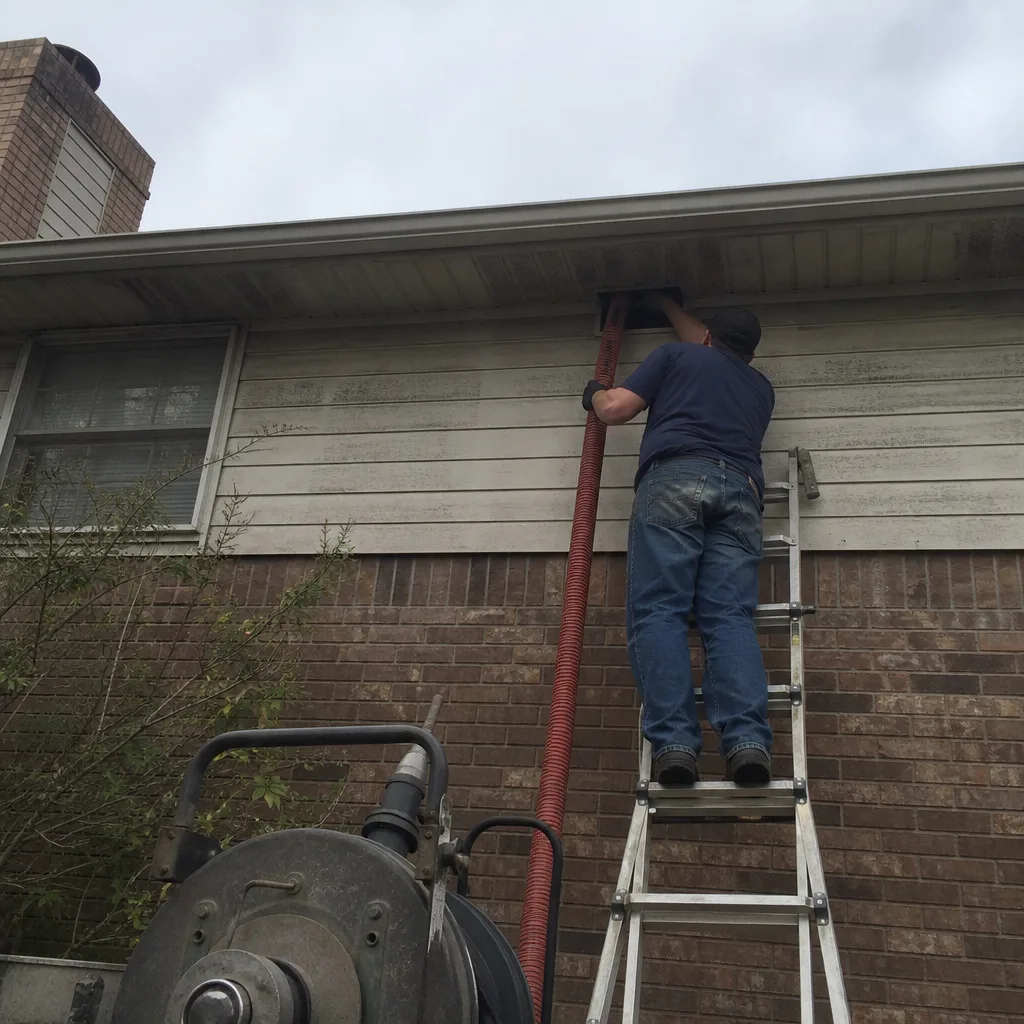 Before
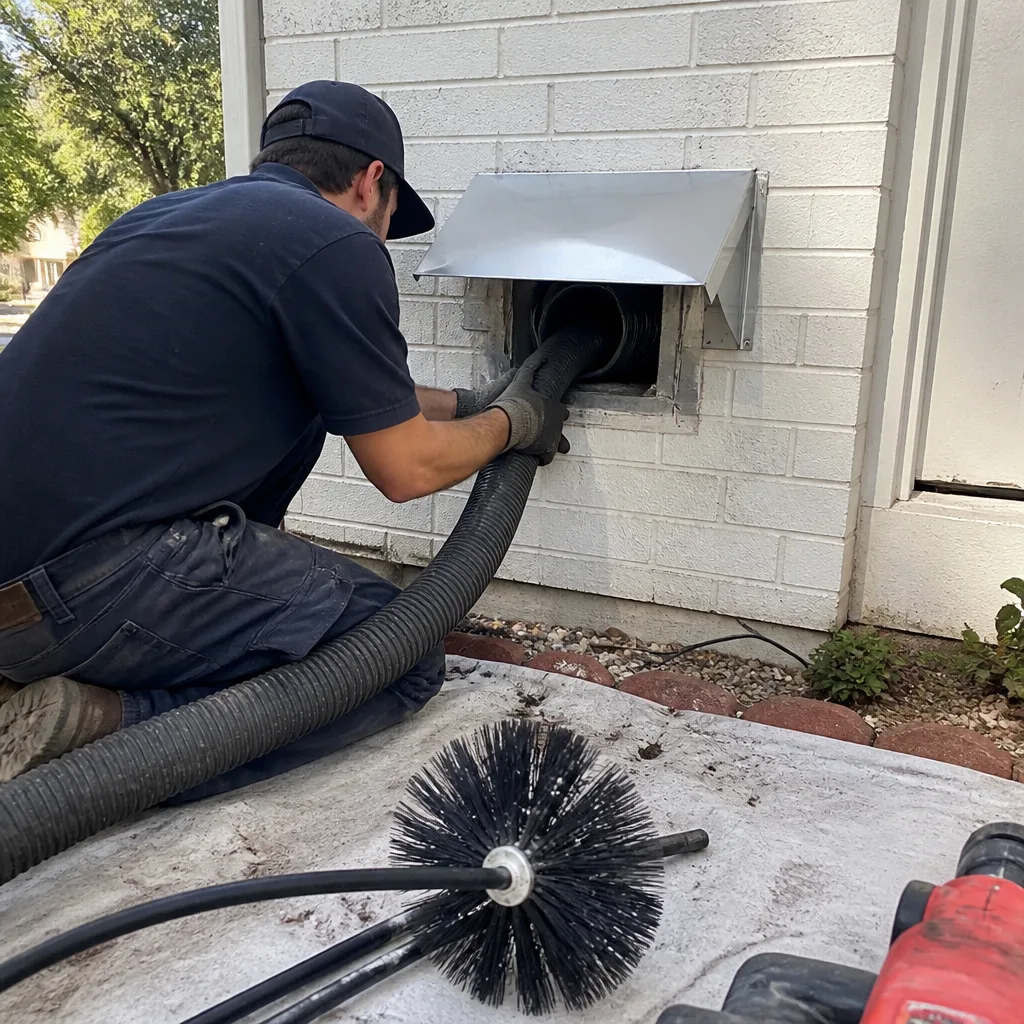 After
After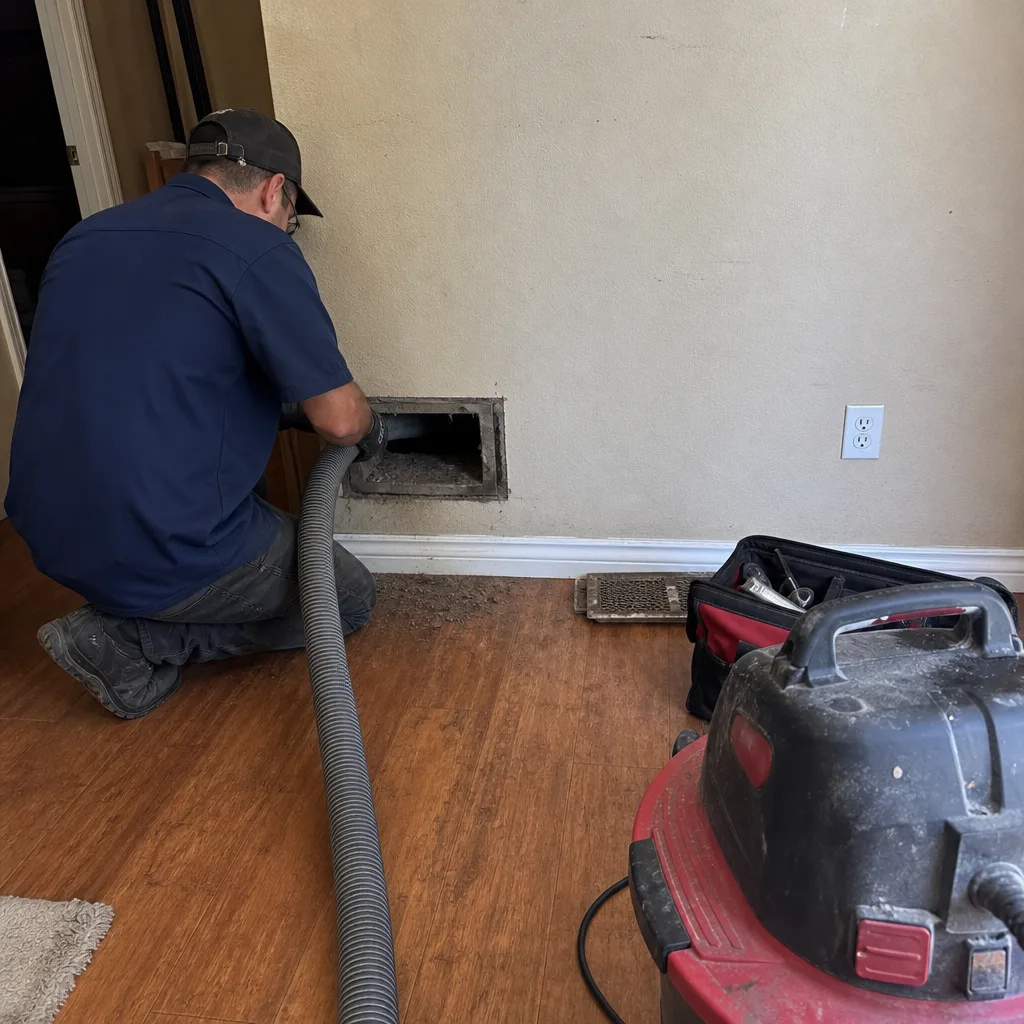 Before
 After
After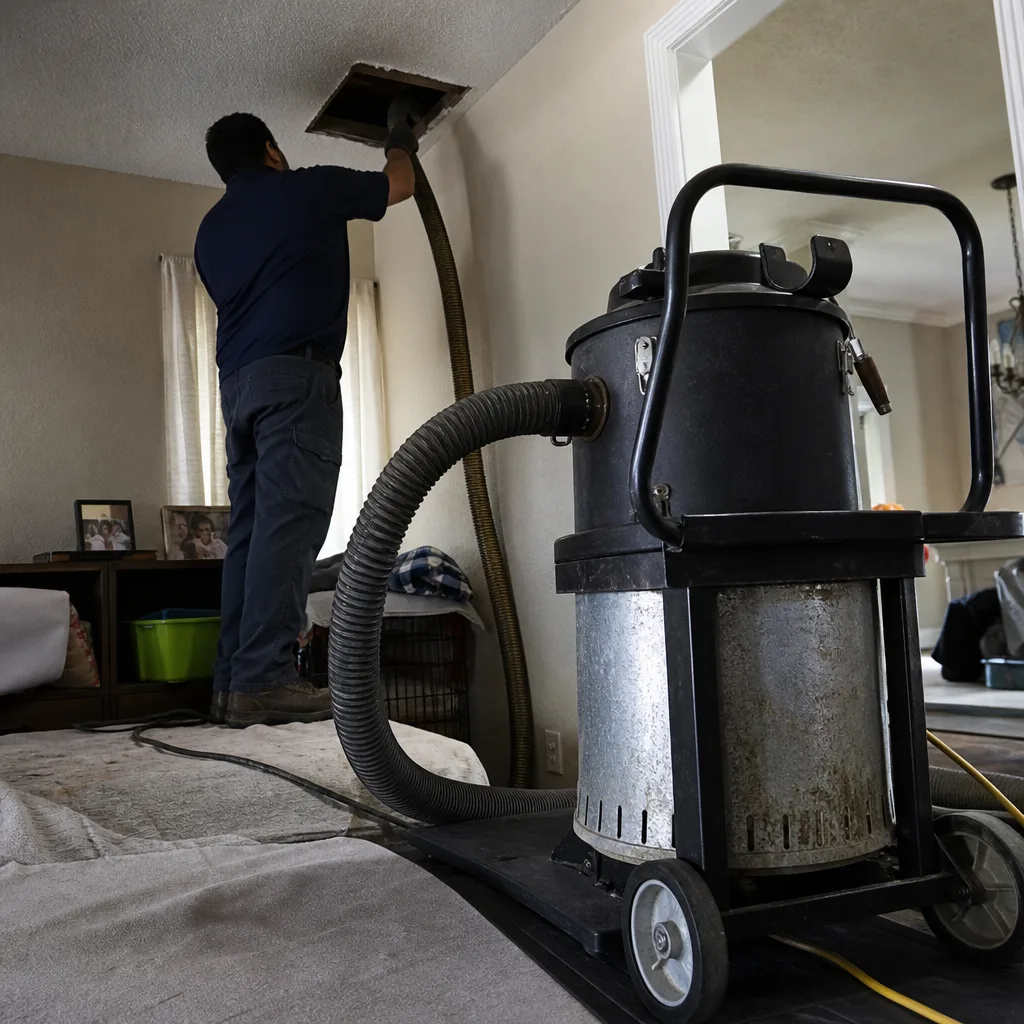 Before
 After
After