
Last updated October 15, 2026
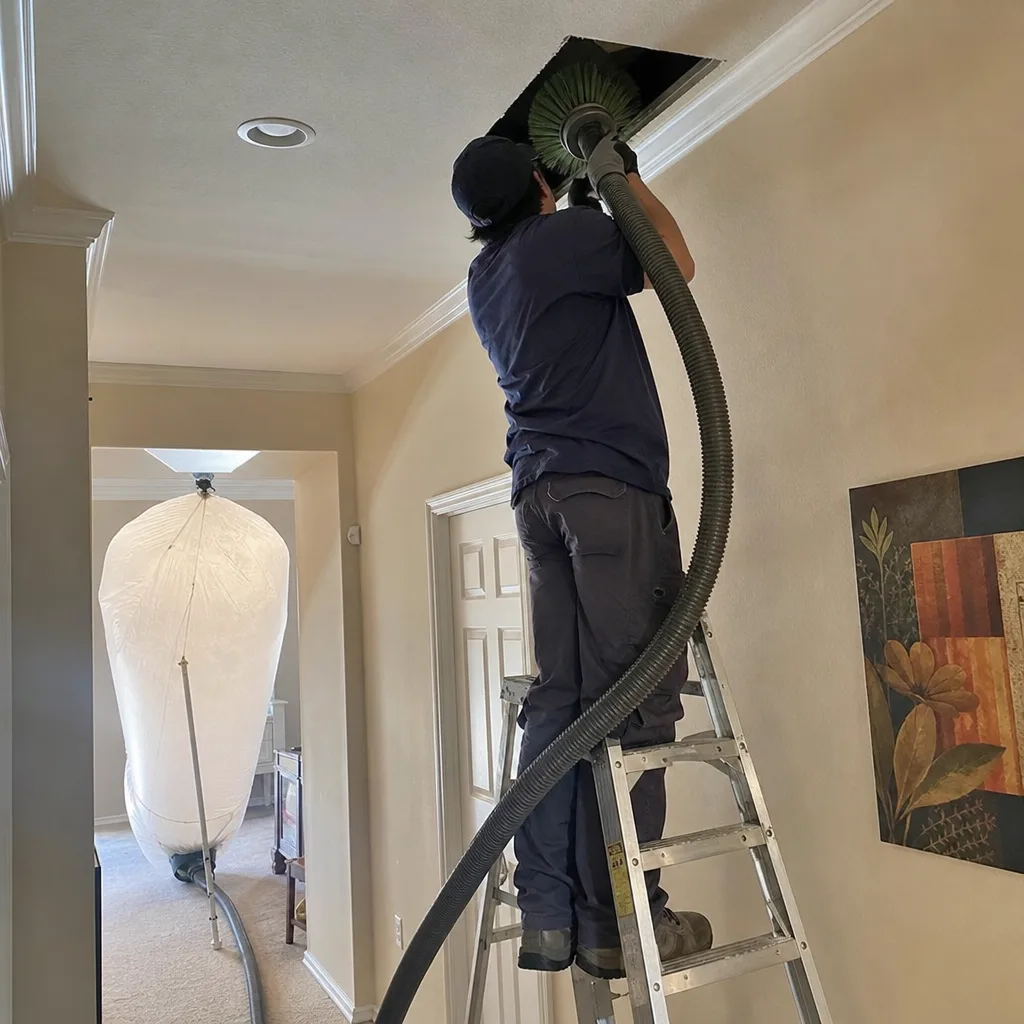
 Whole-home duct cleaning
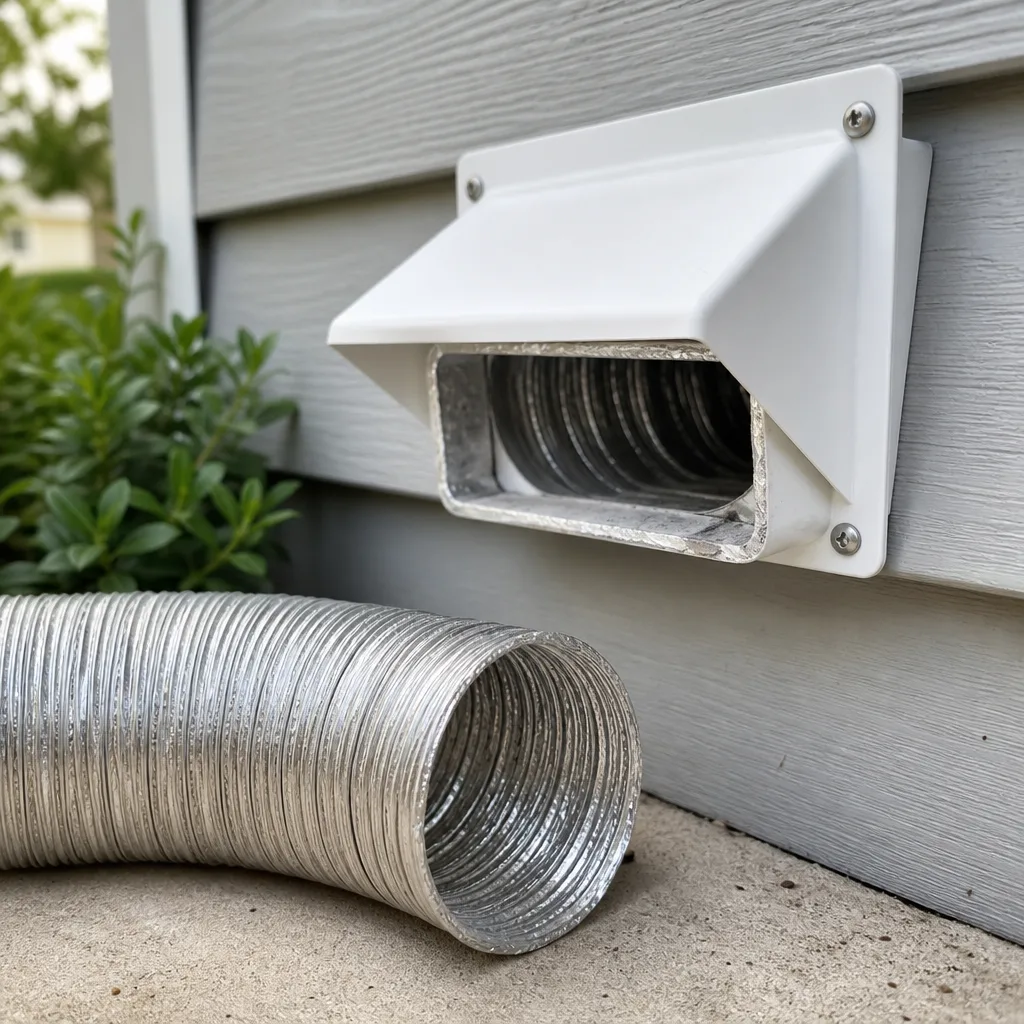 Dryer vent cleaning
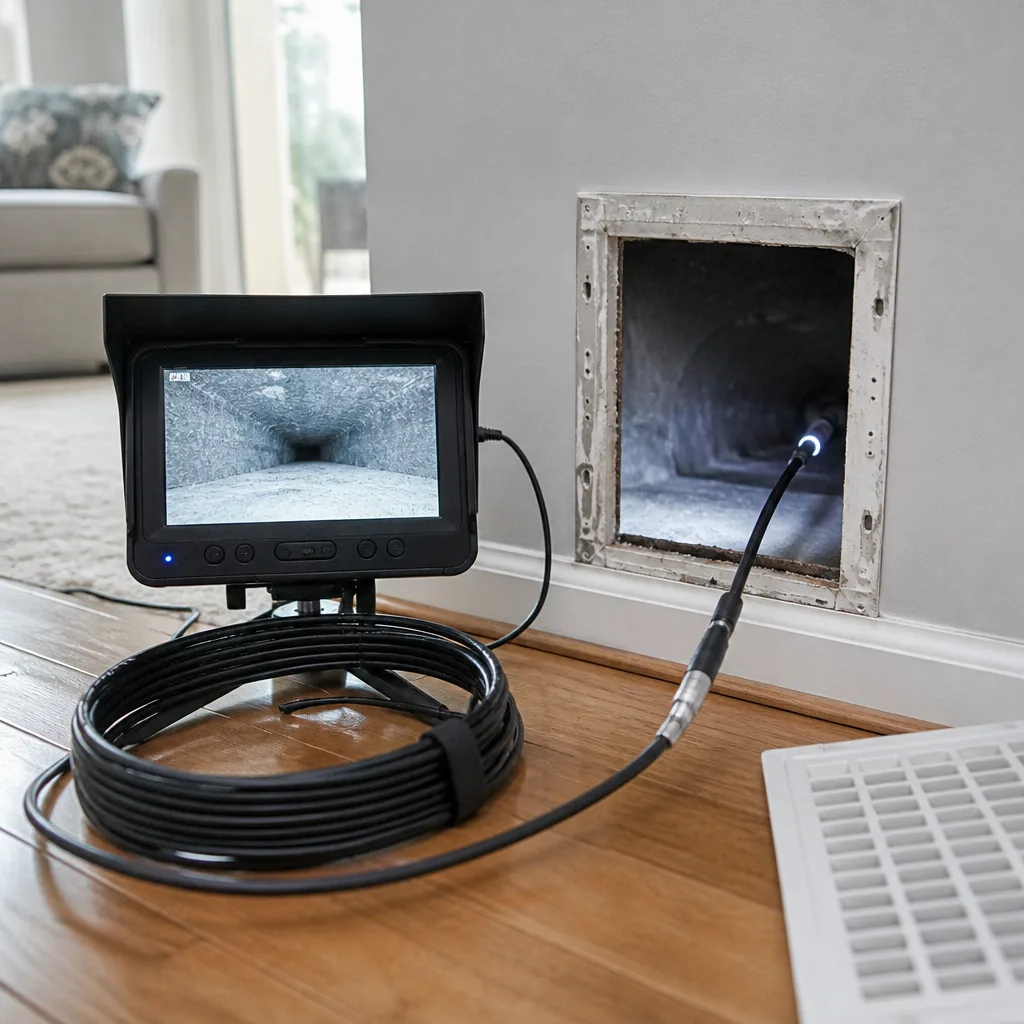 Camera inspection
 Sanitizing & deodorizing
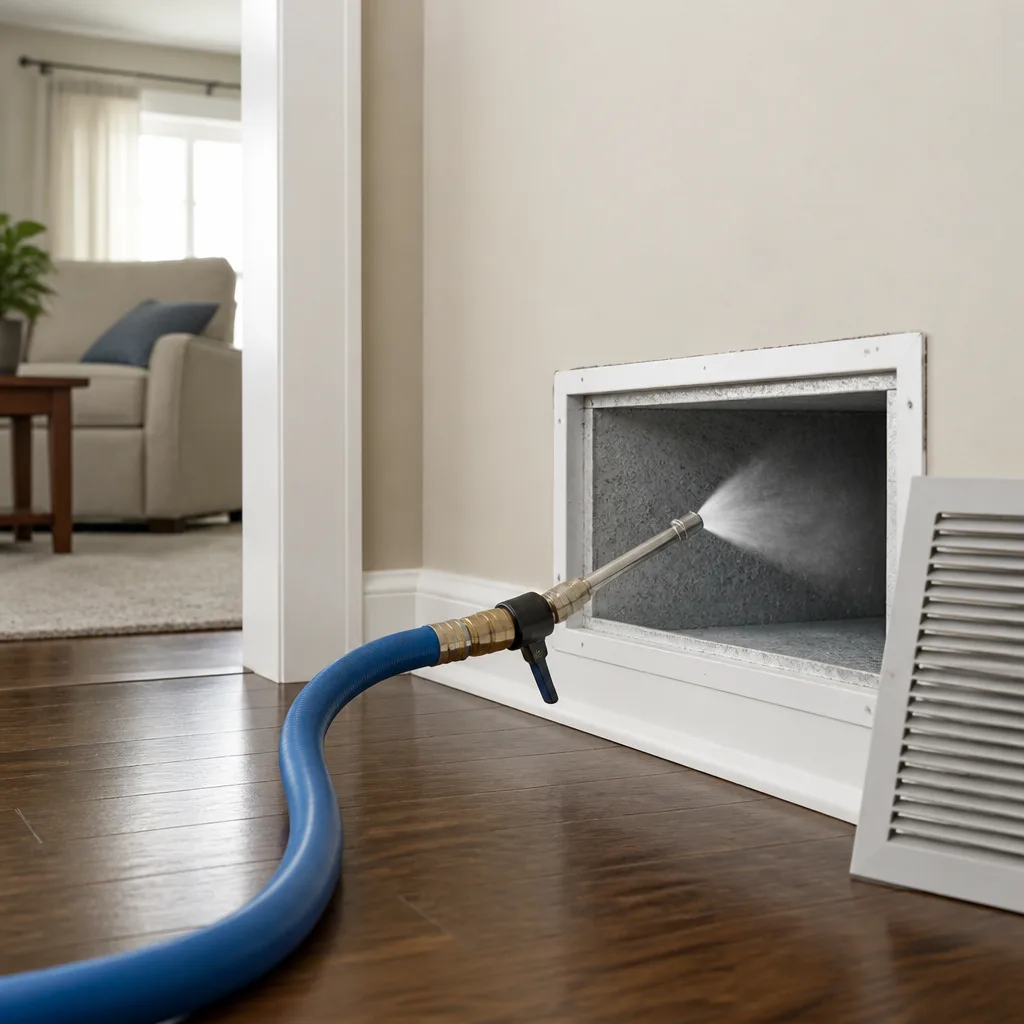
Whole-system duct and dryer vent check with before-and-after photos - you see exactly what came out of your vents
That "$99 whole-house special" is a bait ad - the real number appears once they are in your hallway, or the "clean" is a shop-vac at the register. We photograph the inside of your ducts before and after instead.
Seasonal Air Duct Cleaning Care for Fort Worth: Year-Round Homeowner’s Guide
Fort Worth sits inside one of the highest mountain cedar pollen zones in the United States, and cedar fever season runs December through February – which means the worst time to skip a filter check is also the coldest stretch of the year when your heating system runs hardest. That’s a collision most homeowners don’t see coming until their sinuses tell them about it. This guide maps the North Texas pollen calendar, humidity cycle, and even the West Texas wildfire-smoke window to specific duct care actions, so you’re not cleaning on an arbitrary schedule. You’ll learn what gets into your ducts each season, when it does the most damage, and how to time professional service in Fort Worth so you get the most value per dollar.
Styles & brands we work with
Quick Answer
Seasonal air duct cleaning in Fort Worth is not a one-size-fits-all annual chore – it’s a calendar that tracks three distinct contaminant cycles: cedar and oak pollen from December through April, summer humidity that threatens mold in attic-routed flex ducts, and late-summer wildfire smoke that deposits fine particulate regular filters can’t catch. Most Fort Worth homeowners get the best results by pairing a professional cleaning with the cedar-to-oak transition in early March, then doing a lighter pre-winter check in November before heating season peaks. Expect to pay $300 to $600 for a whole-system cleaning in the Fort Worth market, depending on home size and duct configuration.
Table of Contents
- The Fort Worth Pollen Calendar: What Enters Your Ducts Each Season
- Mountain Cedar Season (December – February): Why Your Filter Fails When You Need It Most
- Spring Oak and Grass Pollen (March – June): The Dust That Doesn’t Settle
- Summer Humidity and the Flex Duct Mold Window in Fort Worth Attics
- Fall Wildfire Smoke from West Texas: What Actually Gets Through Your Filter
- The Pre-Season Startup Check: Spring and Fall System Transitions
- How to Stagger Filter Changes and Professional Cleanings to Avoid Peak Pricing
- Common Mistakes to Avoid
- When to Call a Professional
- Frequently Asked Questions
- The Bottom Line
The Fort Worth Pollen Calendar: What Enters Your Ducts Each Season
Fort Worth’s climate doesn’t follow a clean four-season script – it follows a pollen calendar, a humidity cycle, and a wildfire-smoke window that are specific to North Texas, and each one creates a different kind of duct contamination. That’s the core insight we’ve learned from years of opening up duct systems in this city: the debris isn’t random. It arrives on schedule. And timing your service around these actual conditions saves more money than cleaning on an arbitrary annual schedule.
Here’s what the year actually looks like inside a Fort Worth duct system:
- December through February: Mountain cedar pollen peaks, often at the same time heating demand spikes. Your system runs longest, pulling in the year’s most aggressive allergen load.
- March through April: Oak pollen takes over, along with elm and ash. Cedar debris has now had several months to accumulate in your returns, plenum, and coil.
- May through June: Grass pollen is the new arrival, but what matters more is what’s already been collected. A system that went unserviced through cedar and oak season is now circulating three seasons of allergens every time the AC kicks on.
- July through September: Wildfire smoke from West Texas and the Panhandle drifts into the Metroplex. Fine particulate is the biggest offender here – it bypasses standard MERV-8 filters entirely.
- October through November: Ragweed season, plus the shift from cooling to heating. Any moisture that collected in flex duct during humid summer nights now gets baked into dust as the furnace fires up.
The practical takeaway: if you only schedule one professional cleaning a year in Fort Worth, early March is the single most productive window. You clear the cedar load before oak season hits, and you prep the system for the cooling shift. If you’re doing two, add a November visit to address smoke particulate and the heating-season transition.
Most homeowners think of their Air Duct Cleaning in Fort Worth as a reactive service – something you call when you notice dust. The data says otherwise. The systems that perform best are the ones where the cleaning schedule tracks the local contaminant calendar.
Mountain Cedar Season (December – February): Why Your Filter Fails When You Need It Most
Mountain cedar, technically Ashe juniper, is the single most aggressive allergen in Fort Worth, and its pollen is uniquely built to travel. A single male tree can release billions of pollen grains, and those grains are small enough to ride cold-front winds for 200 miles or more from the Hill Country into Tarrant County. Cedar counts in Fort Worth routinely spike into the “very high” range during December and January, often on days when the heater is running nonstop.
That matters for your ducts in two specific ways. First, cedar pollen is a fine, sticky particulate. It doesn’t fall quickly to the floor like larger dust. It stays airborne, gets pulled into returns, and deposits in layers along duct walls, the evaporator coil, and the blower assembly. Second, because the heating system is running hard during cedar season, that deposit builds faster than at any other time of year. You’re hot-boxing your own ductwork with allergen-laden air recirculation.
What to do in this window:
- Upgrade to at least a MERV-11 filter during December through February if your system can handle the pressure drop. A MERV-8 catches maybe 20% of cedar pollen; a MERV-11 catches significantly more.
- Check the filter at least monthly. During peak cedar blooms, a filter that usually lasts 90 days can clog in 30.
- Watch for visible dust accumulation around return vents. If you see a grey-brown buildup forming, that’s cedar load.
- Consider a professional cleaning in late February or early March, after the cedar peak has passed but before oak arrives.
We’ve seen Fort Worth homes near Benbrook and west side neighborhoods get hit harder than other parts of town, simply because prevailing winds carry cedar from the west. Homes near open grassland or with west-facing return vents tend to accumulate faster.
Spring Oak and Grass Pollen (March – June): The Dust That Doesn’t Settle
Oak pollen is a different beast than cedar. It’s larger, stickier, and far more visible. You’ll see it as yellow-green film on your car, your porch furniture, and eventually, in your duct system. Fort Worth’s mature oak canopy – especially in older neighborhoods like Ryan Place, Mistletoe Heights, and parts of Arlington Heights – produces an enormous pollen load each spring.
The issue with oak is surface adhesion. Oak pollen clings to duct walls and the coil more tenaciously than cedar. Once it’s inside a system, it doesn’t just blow through; it cakes. If moisture is present – which it often is as spring rains and rising humidity arrive – that cake becomes a crust. By the time AC season begins in earnest, your system is pushing air across what is essentially a pollen sediment layer.
Grass pollen, which peaks in May and early June, adds to the problem but rarely causes new issues. The damage was done by cedar and oak. Grass pollen is the straw that breaks the camel’s back, and it’s often the point where homeowners finally notice smell, dust, or allergy symptoms that have been building for months.
What to do in this window:
- If you didn’t do post-cedar cleaning in late February, schedule your professional cleaning as soon as oak pollen levels begin to drop – typically mid-to-late April.
- Inspect your outdoor condenser unit. Oak pollen mats on the coils and reduces cooling efficiency. A gentle hose-down from the outside (not a pressure washer) helps.
- Keep windows closed during high-pollen days, especially in bedrooms. Open windows let oak pollen bypass the HVAC filter entirely and settle in rooms, then get recirculated when the AC starts.
- If you have pets, wipe paws at the door. Pets track pollen indoors, and that pollen becomes part of the dust load your system moves around.
For Fort Worth homeowners with the original ductwork in homes built before roughly 2005, oak season is often the moment latent duct leaks become obvious. A system with even minor leakage will pull unfiltered attic air – pollen-rich air – directly into the supply side. That’s a sign that Duct Sealing in Fort Worth should move up your priority list.
Summer Humidity and the Flex Duct Mold Window in Fort Worth Attics
Fort Worth summers are notorious for humidity, and the most vulnerable part of your HVAC system is the flex duct running through your attic. Here’s the mechanism that creates the mold risk window: during the day, your AC runs frequently, keeping air moving through those ducts. Moving air doesn’t allow condensation to settle. But during mild nights – when outdoor temperatures dip into the 70s and your AC cycles off for hours at a time – the duct surfaces cool to below the dew point. Humid attic air condenses on those surfaces. Tiny water droplets form inside the duct lining.
That moisture alone wouldn’t be a mold problem, except for what’s already in there. If your system carried cedar, oak, and grass pollen through the spring without a professional cleaning, that organic material is now sitting on duct surfaces. Add water. Add darkness. Add the 100-degree attic heat during the following day. That’s the exact recipe for microbial growth in flex duct systems.
The failure point is almost never the duct itself. It’s the accumulation. A clean system handles normal condensation cycles without any issue. A pollen-loaded system becomes a petri dish.
Signs to watch for between July and September in Fort Worth:
- A musty smell that appears when the AC first kicks on, then fades after a few minutes
- Visible dark spots or discoloration on the inside of supply registers
- Increased allergy or respiratory symptoms that correspond with heavy AC use
- A persistent “clammy” feeling in the house even when the thermostat says the temperature is right
Our crews working in Fort Worth’s north and east sides – where many homes have extensive attic duct runs – see this pattern most often in August, after several weeks of heat-pump cycling between hot days and cooler nights. If any of these signs are present, a professional inspection and Air Duct Cleaning in Fort Worth should happen before the first cold snap, when the furnace will bake accumulated moisture into dust and send spores through the supply side.
Fall Wildfire Smoke from West Texas: What Actually Gets Through Your Filter
If you’ve lived in Fort Worth for any length of time, you know the drill: a dry summer in the Panhandle leads to wildfire smoke drifting east, and sometime around August or September, the sky over Tarrant County turns hazy for days or weeks at a time. What most homeowners don’t realize is what that smoke is doing inside their duct system.
Wildfire smoke isn’t just an odor problem. The fine particulate in smoke – PM2.5 – is particles smaller than 2.5 microns across. A standard MERV-8 filter, installed in most Fort Worth homes, captures roughly zero to twenty percent of particles in that size range. The rest pass through the filter, through the blower, across the coil, and into your living spaces. Some of it deposits on interior duct surfaces along the way.
Over the course of a smoke season, that deposition accumulates. Then, when the first cold front of October hits and you switch from cooling to heating, the system behaves differently. The heat causes duct surface particulates to desorb – meaning they release back into the air stream. Your first few heating cycles after a smoky fall can push months of accumulated smoke particulate into your home all at once.
What actually helps:
- A MERV-13 filter is the minimum rating that meaningfully captures smoke particulate. However, not every Fort Worth HVAC system can physically handle the pressure drop of a MERV-13. If your system is older than about 10 years or has a single-speed blower, check with a technician before installing one.
- If you run a MERV-13 during smoke season, replace it when the smoke clears. Smoke-loading destroys filter media fast.
- After a significant smoke event, a professional duct cleaning removes the particulate that settled on duct walls, where your filter can’t reach.
- Consider a standalone air purifier for bedrooms during the worst of smoke season, but remember: a purifier in one room doesn’t clean the ducts.
In October and November, this is the most undervalued service on the calendar. Most Fort Worth homeowners think “clean the ducts before summer” and miss the opportunity to reset before heating season. That’s a mistake, and it shows up on the first cold morning when the furnace fires and the smell of burning dust fills the hallways.
The Pre-Season Startup Check: Spring and Fall System Transitions
There are two moments every year when your Fort Worth HVAC system is most likely to redistribute a season’s worth of settled debris into your living spaces: the spring switch from heating to cooling, and the fall switch from cooling to heating. Both transitions change the temperature, humidity, and velocity characteristics inside the ductwork, and both tend to knock loose whatever has been quietly collecting during the previous mode.
A simple pre-season startup check costs you nothing but time, and it can tell you whether professional service is needed.
Spring startup (typically March in Fort Worth, before the first real heatwave):
- With the system off, remove and inspect the filter. If it’s grey-brown with visible pollen or if you can no longer see light through it, it’s been overloaded.
- Run the fan-only mode for 10 – 15 minutes before the first cooling cycle. This helps move superficially settled dust before the coil engages and cools everything down, which would trap it.
- Open two or three supply registers and shine a flashlight inside. Look for visible dust buildup, discoloration, or any sign of moisture. If you see more than a thin film, that’s a professional cleaning indicator.
- Check your condensate drain line. Pour a cup of white vinegar down the line to hold off microbial growth during the humid months ahead.
Fall startup (typically November in Fort Worth, before the first hard freeze):
- Replace or upgrade the filter. If you plan to run a MERV-13 for winter allergens or smoke, install it now.
- Run the fan-only mode for 15 minutes before the first heating cycle, same logic as spring.
- Inspect the return vents – the ones that pull air in. These accumulate the most dust and are the best visual indicator of what’s flowing through your duct system.
- Check the supply registers for any musty odor when the fan first starts. This can indicate moisture issues from the summer that need addressing before heat bakes them into the system.
If either check reveals significant dust accumulation, mold signs, or airflow issues, schedule a professional evaluation before the season gets going. Waiting until the first heatwave or first freeze means contractors are at peak demand and you’ll pay more, wait longer, and potentially have to run your system in a compromised state.
How to Stagger Filter Changes and Professional Cleanings to Avoid Peak Pricing
Contractor pricing in Fort Worth follows demand, and demand follows weather. The two peak periods for HVAC and duct service in this market are the first heatwave of late May or early June, and the first hard cold snap of late November or early December. If you call for professional duct cleaning during those windows, you’ll wait longer and often pay a premium for the scheduling priority.
The strategy that gets you the best value is to do your heavy professional work in the shoulder seasons – March and October – and manage your own filter cadence aggressively during the peaks. Here’s how to structure that:
- Filter changes: Learn your system’s actual filtration window. In Fort Worth, that’s usually 30 – 90 days depending on season and filter rating. During cedar season (December – February) and smoke season (August – October), a MERV-11 or MERV-13 filter may need replacement every 30 days. Write the install date on the filter frame with a marker.
- Professional cleaning: Target March and April for the post-cedar reset, or October and early November for the pre-heating reset. Both are realistically 30 – 45 days before the peak demand windows.
- Duct sealing: Spring and fall are also ideal, because sealants cure better in moderate temperatures. Extreme attic heat can affect mastic curing behavior.
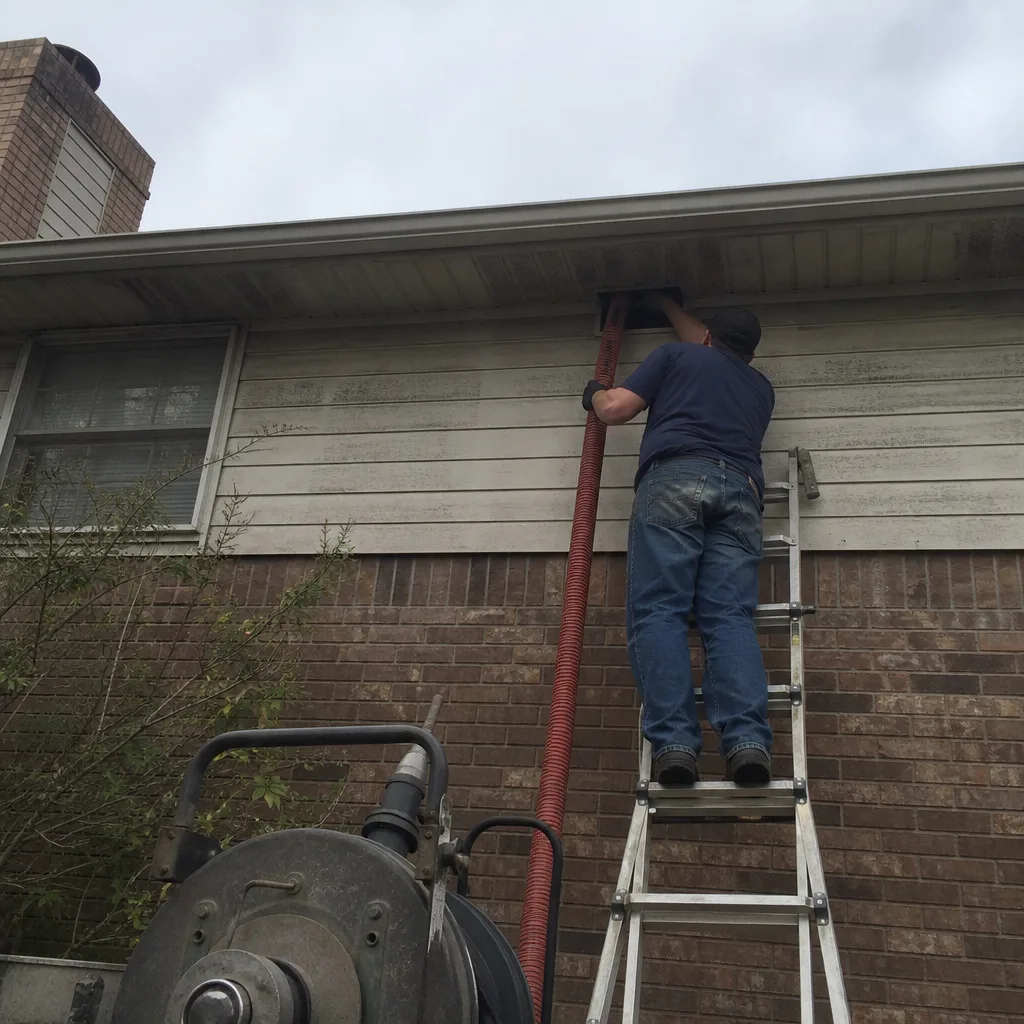
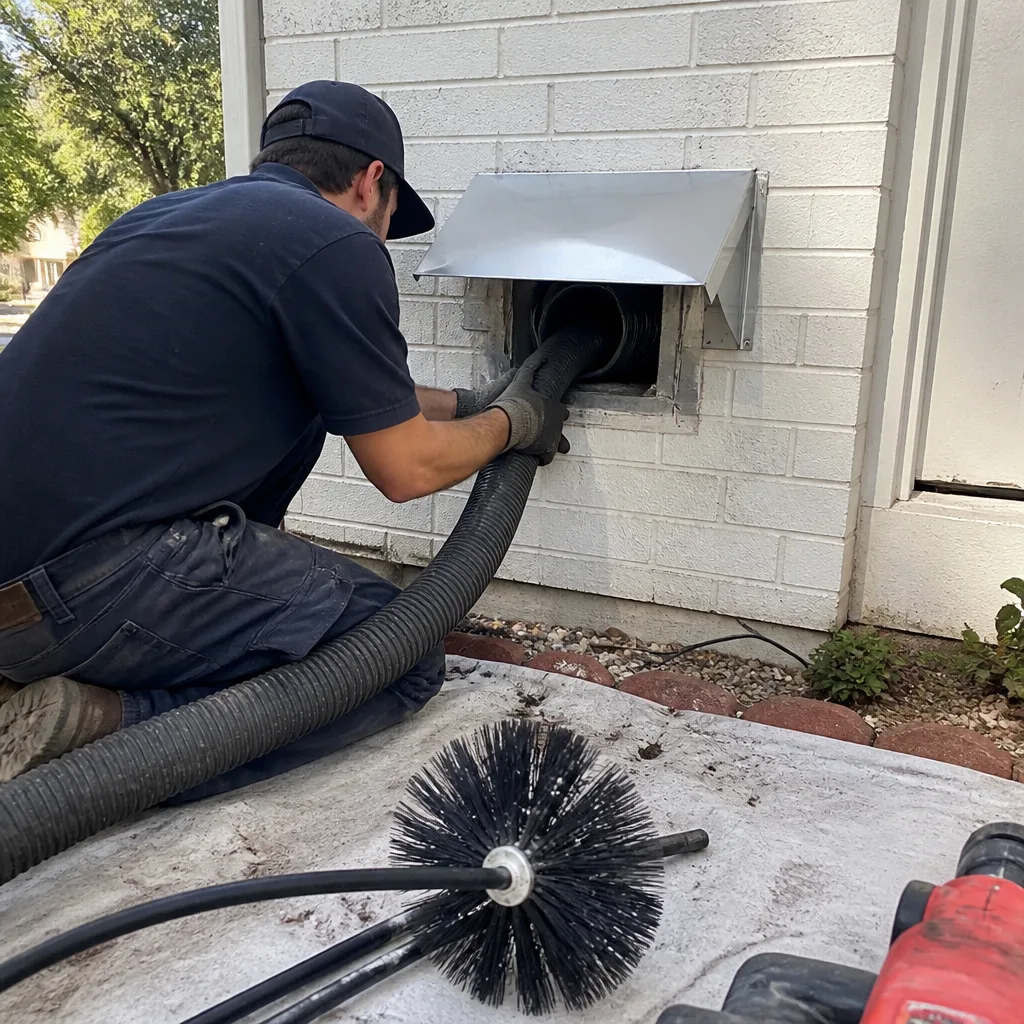
- Dryer vent work: This has a different rhythm entirely, driven by use patterns rather than HVAC demand. See our Dryer Vent Cleaning in Fort Worth page for the full schedule logic.
One more tip: if you know a big pollen event has just occurred – cedar spikes in January, oak blooms in early April – don’t wait until symptoms are unbearable to address your system. The earliest indicator of duct loading is usually visible dust on return grilles, not respiratory symptoms. By the time you feel it, you’ve been breathing it for weeks.
Common Mistakes to Avoid
- Cleaning on a fixed calendar date every year, regardless of conditions. A fixed schedule ignores the actual pollen and smoke load of a given year. Some Fort Worth winters have near-zero cedar pressure; others are severe. Adjust to conditions, not the calendar.
- Running a MERV-13 filter year-round without checking system compatibility. High-efficiency filters increase static pressure, and some older Fort Worth HVAC systems – especially single-speed blowers in 1990s-era homes – can overheat or underperform. Match the filter to the system’s capability, not just the particle count you want to catch.
- Ignoring the visible condition of return vents. The return vent is the canary in the coal mine. If it’s visibly dusty, the duct system behind it is worse. This is the single cheapest DIY diagnostic available to any Fort Worth homeowner, and most people never look.
- Assuming duct cleaning and filter replacement are interchangeable. They’re not. A filter catches what’s in the air stream. Cleaning removes what’s already deposited on duct surfaces. One protects; the other remedies. You need both in the right sequence.
- Waiting until the first heatwave or cold snap to address known issues. Peak demand means peak pricing and longer waits. The best time to find out your system needs work is during the shoulder season, not during extreme weather.
- Forgetting the dryer vent in the seasonal reset. Lint accumulation has no seasonal pattern – it’s use-driven – but many homeowners think “HVAC maintenance” and forget the dryer entirely. A clogged dryer vent is a fire hazard that operates year-round, and Fort Worth’s hard water can interact with lint to form stubborn blockages.
When to Call a Professional
Some duct conditions are visible and some are not, but a few scenarios should trigger a professional call without hesitation. If you see visible mold growth inside supply registers or on the return grille. If a musty odor persists after a filter change and a fan-only run. If you notice a sudden dust event – a fine layer of dust on furniture surfaces despite frequent cleaning – that often indicates a breach or disconnection in the duct system. If any family member has unexplained respiratory symptoms that improve when they leave home. And if your energy bills are climbing with no change in usage, which can indicate leaks pulling unconditioned air into the system. Hollis Air Duct Fort Worth offers free estimates in Fort Worth – call (682) 255-2572 to schedule an inspection and get a written price before any work begins.
Frequently Asked Questions
Whole-system air duct cleaning in Fort Worth typically runs $300 to $600 for a standard single-family home, depending on square footage, number of stories, and how many supply and return registers the system has. Homes with extensive attic flex duct runs on the north and east sides of town sometimes run higher because of access complexity. We provide a written price before any work starts, so there’s no surprise when the van is in your driveway. Call (682) 255-2572 for an exact quote.
For most Fort Worth homes, the single best window is early March, after mountain cedar season peaks and before oak pollen reaches full load. The second-best window is October to early November, after wildfire smoke season ends and before heating demand spikes. Both windows put you ahead of peak contractor demand, which means faster scheduling and better pricing.
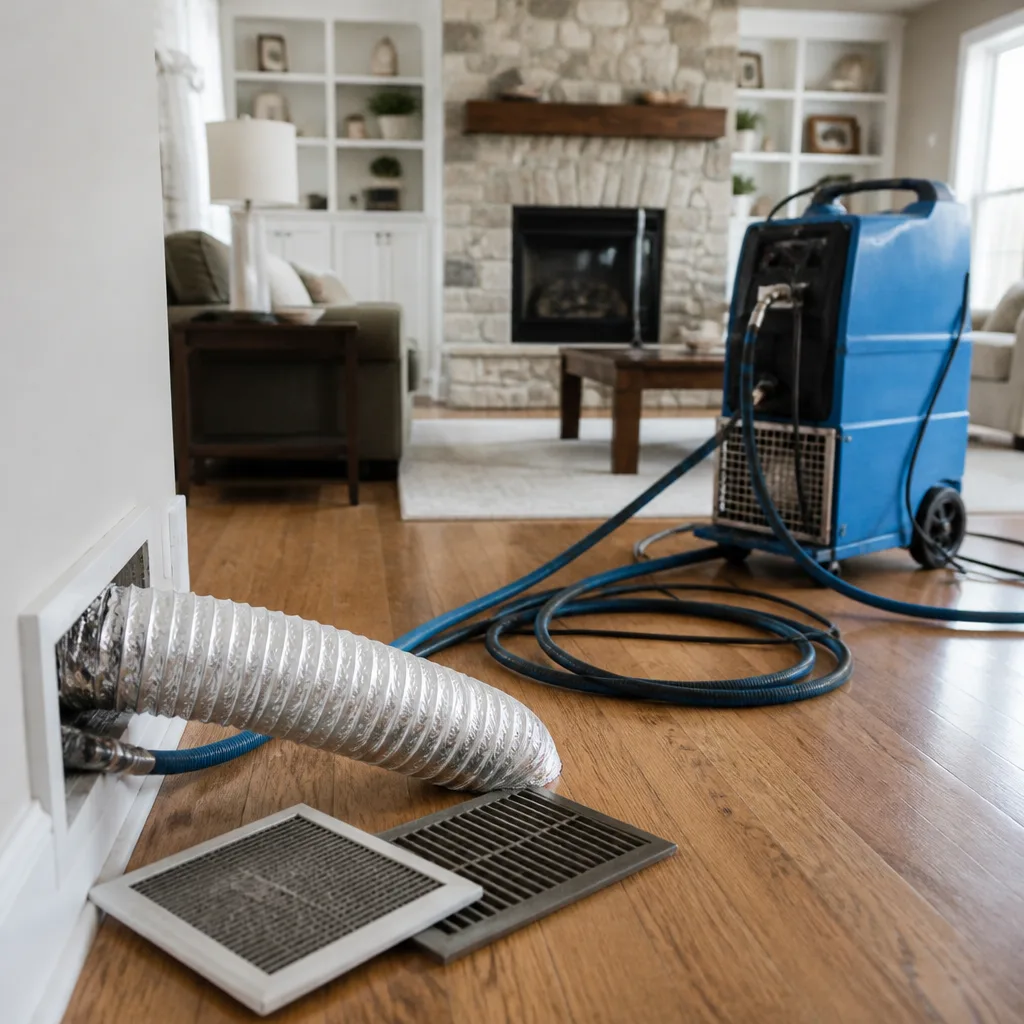
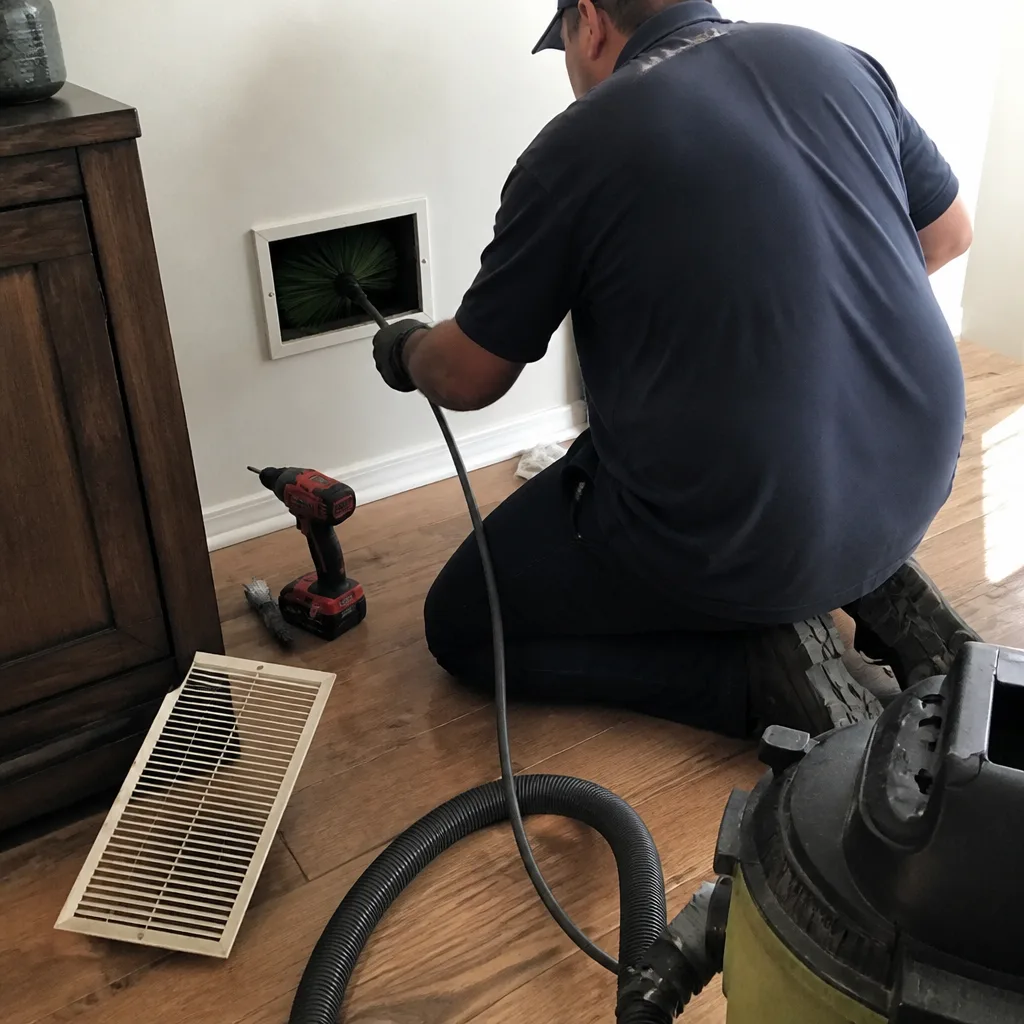
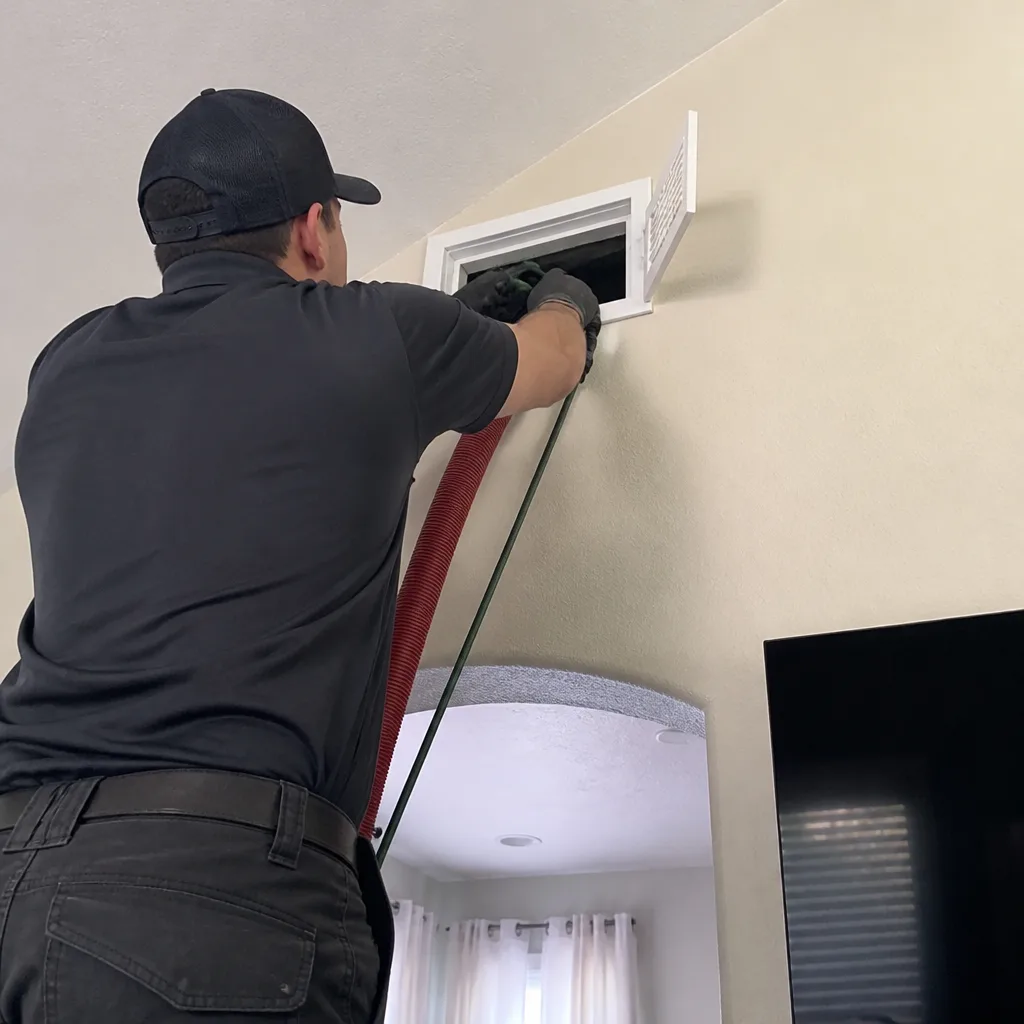
You can maintain the visible parts – replace filters, wipe down return grilles, and vacuum accessible register openings – but truly cleaning the interior of duct runs requires a negative-air machine and rotary brush system to dislodge and extract debris without spreading it through the house. A shop vac at a register doesn’t reach more than a few inches, and DIY attempts often knock more dust into the air than they remove. This is a job for trained crews with the right equipment.
Low-price quotes in this market often mean one of two things: either the company is doing a superficial register-level vacuuming rather than a full system clean, or the price is a teaser that will change once the technician arrives. A legitimate whole-system cleaning requires time, commercial-grade equipment, and labor – and it’s priced accordingly. If a quote is dramatically below the $300 to $600 range for a standard Fort Worth home, ask exactly what equipment will be used and whether the price is guaranteed in writing before you agree.
Ask for before-and-after photos of the interior of your ducts. Professional crews using modern inspection cameras can show you the actual condition of your system before and after cleaning. In addition, a legitimate provider will give you a written scope of work and should welcome your inspection of the return plenum and several supply runs after the job. If a company refuses to show you the results, that’s your answer.
For most Fort Worth homes, every 2 to 4 years is a realistic window, and the deciding factors are the local pollen load from cedar and oak, whether you have pets, whether anyone smokes indoors, and whether you’ve had any renovation work. Homes in high-pollen corridors – particularly west-facing lots exposed to cedar winds – may need annual cleanings. Homes with new construction and no pets can stretch longer. The honest answer is that frequency should track conditions in your specific house, not a brand’s recommendation.
The Bottom Line
Fort Worth’s air duct cleaning schedule should follow the city’s actual contaminant calendar, not a generic annual reminder. Mountain cedar stacks the deck against your system from December through February, oak compounds it through April, summer humidity creates a mold window in attic flex ducts, and fall wildfire smoke introduces fine particulate your standard filter can’t touch. Clean before the peaks – March and October – and manage your filters rigorously during cedar and smoke season. If you’re seeing dust, smelling musty air, or can’t remember the last time anyone looked inside your ducts, get a written quote from a professional. The difference between a system that’s maintained to local conditions and one that’s cleaned on an arbitrary schedule is measurable in air quality, energy cost, and the lifespan of your equipment.
Call (682) 255-2572 for a free estimate from Hollis Air Duct Fort Worth. We’ll inspect your system, give you a written price, and walk you through exactly what we found before any work begins. If you need guidance on any of the seasonal maintenance steps in this guide, start with our overview of Hollis Air Duct Fort Worth home services, or go directly to our pages on Air Duct Cleaning in Fort Worth, Dryer Vent Cleaning in Fort Worth, and Duct Sealing in Fort Worth.
Written by Roy Castellanos, Owner at Hollis Air Duct Fort Worth, serving Fort Worth since 2004.
See the difference
 Before
 After
After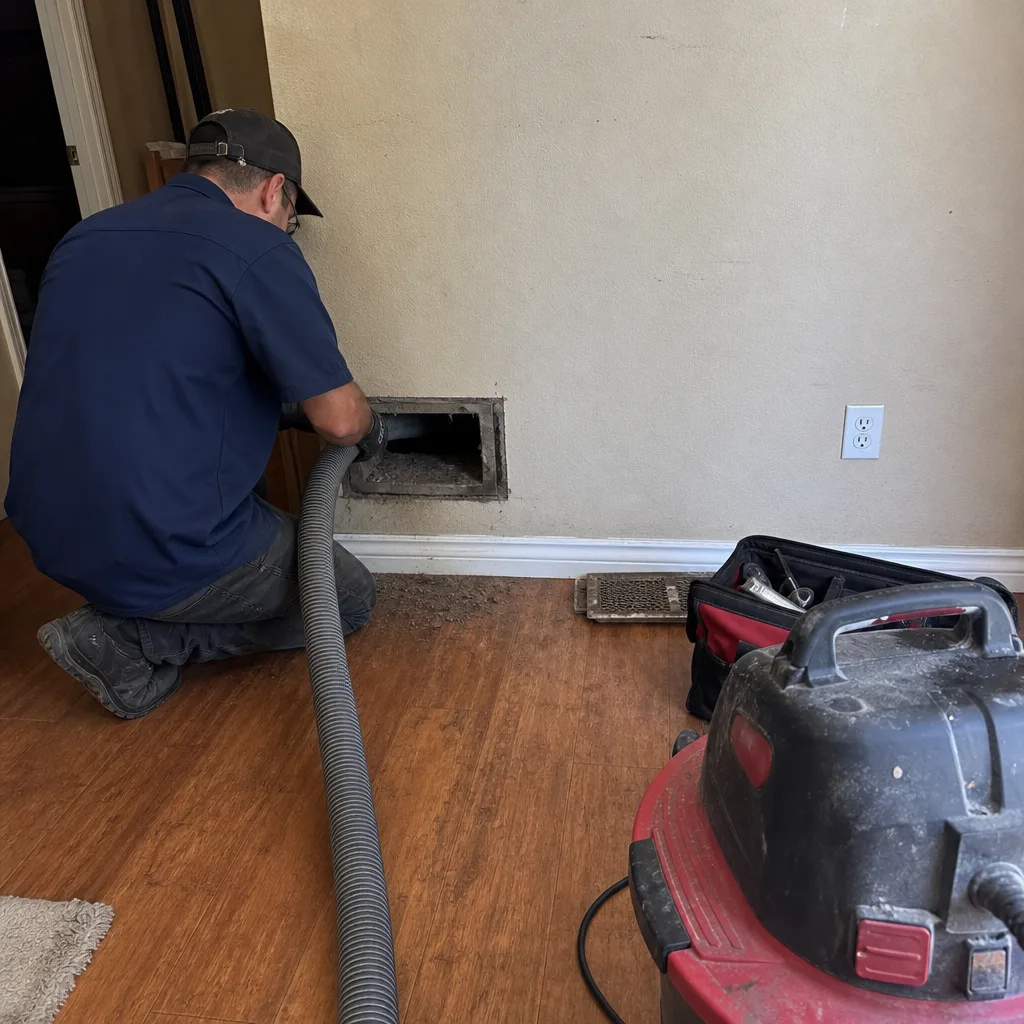 Before
 After
After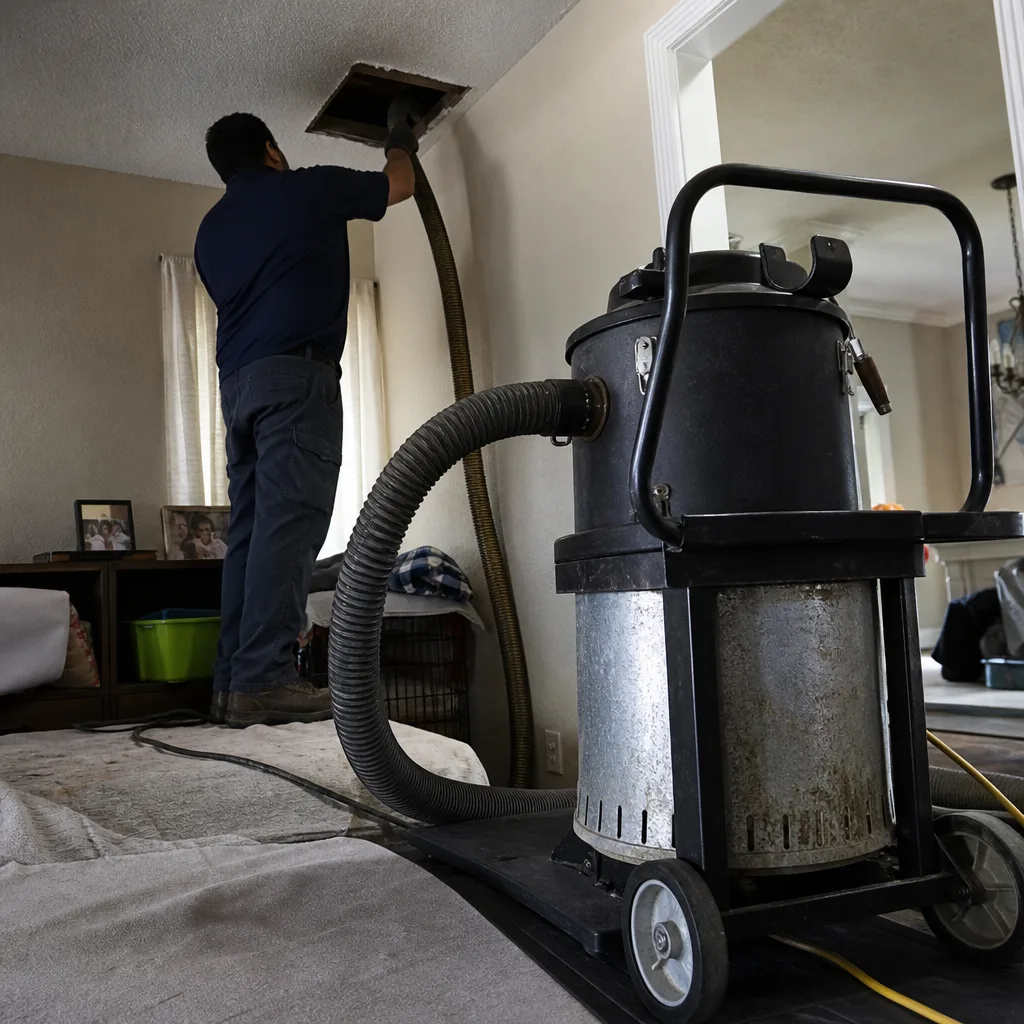 Before
 After
After