

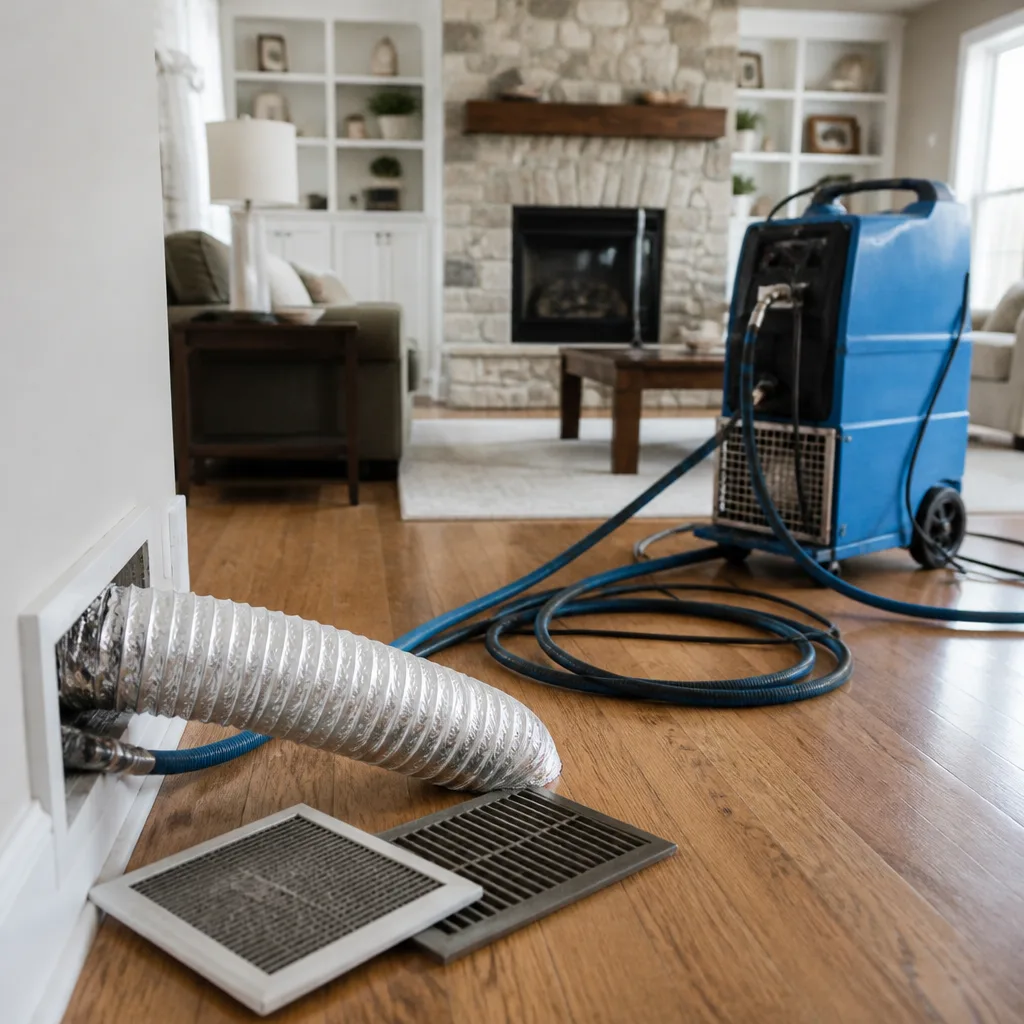
 Whole-home duct cleaning
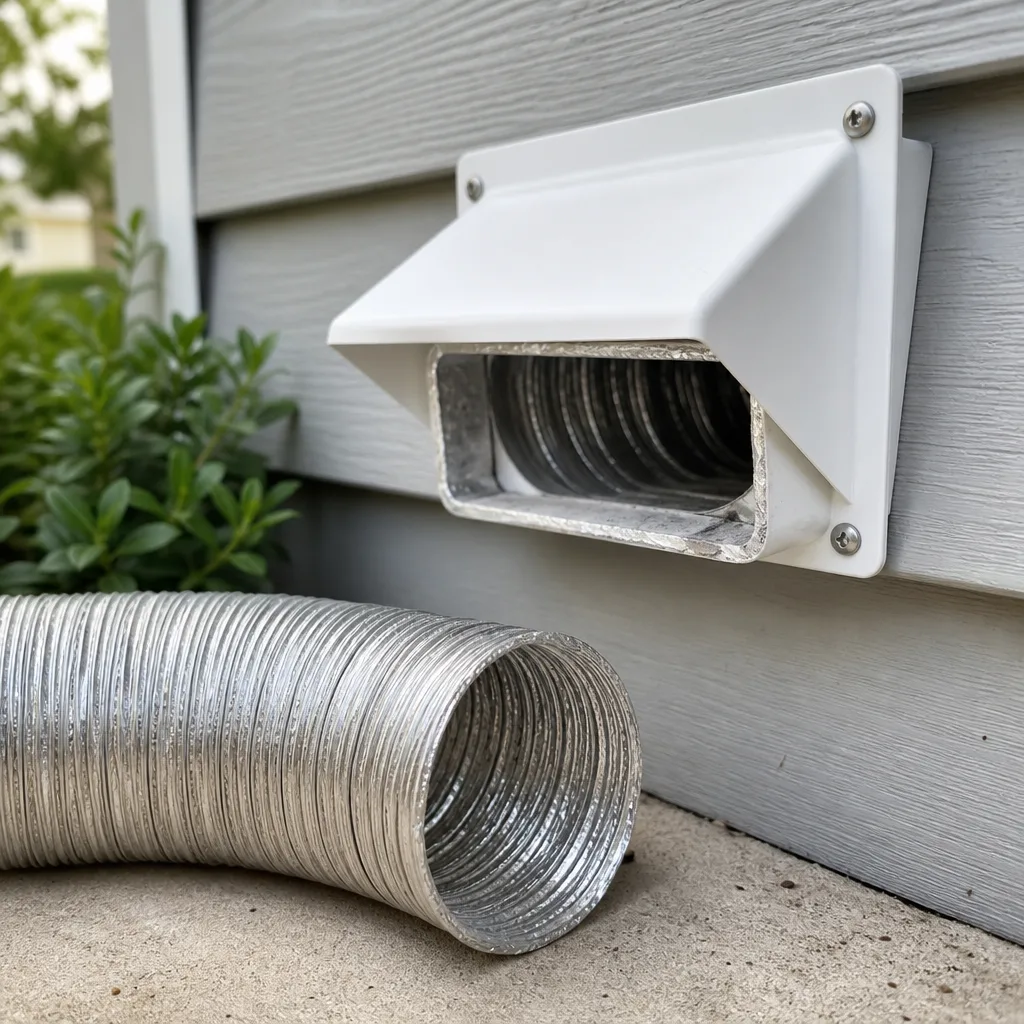 Dryer vent cleaning
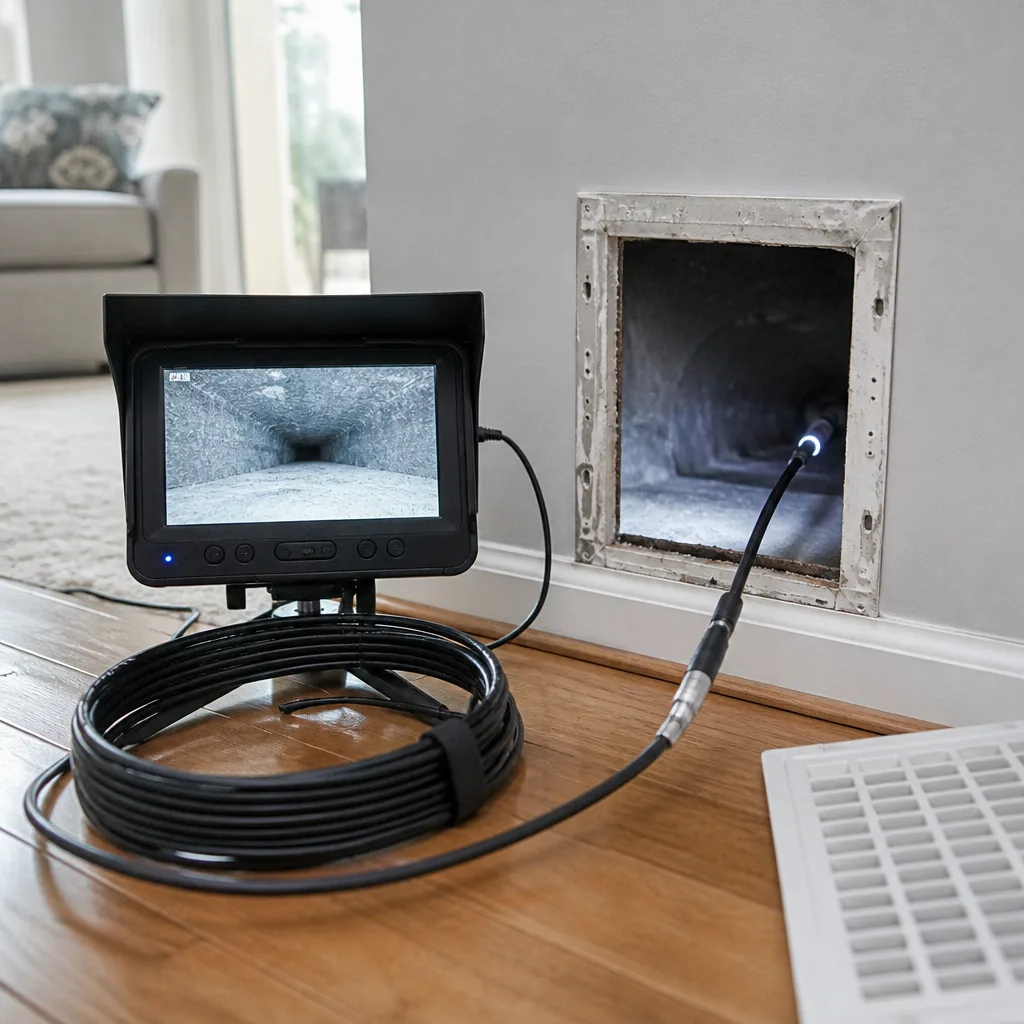 Camera inspection
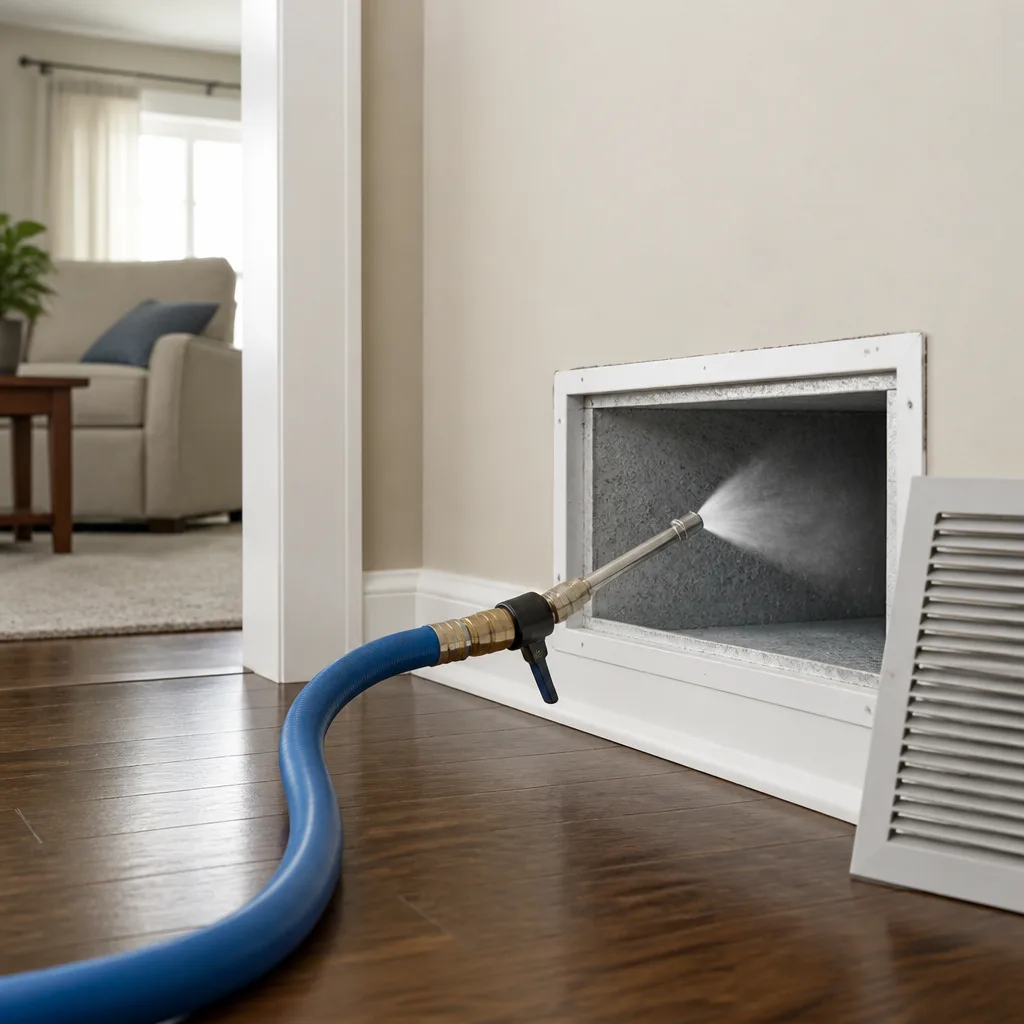 Sanitizing & deodorizing
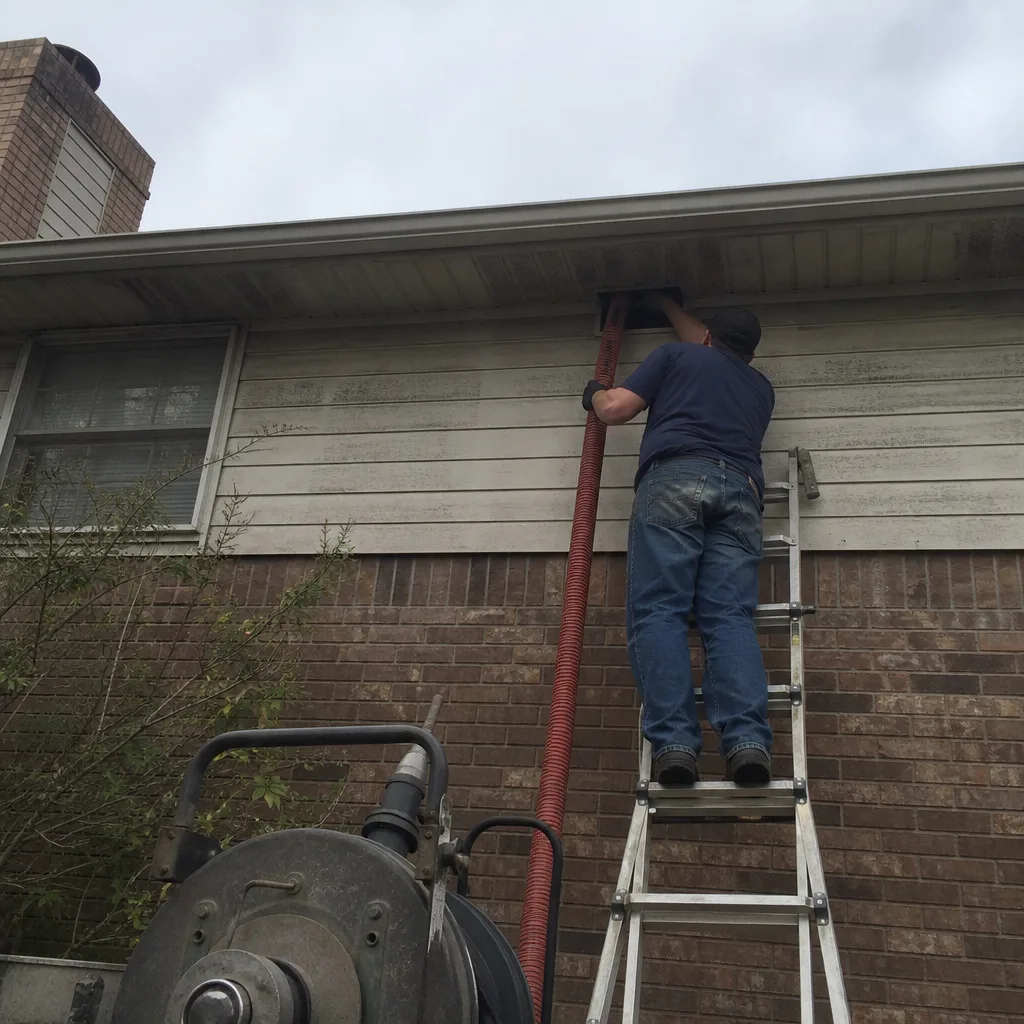
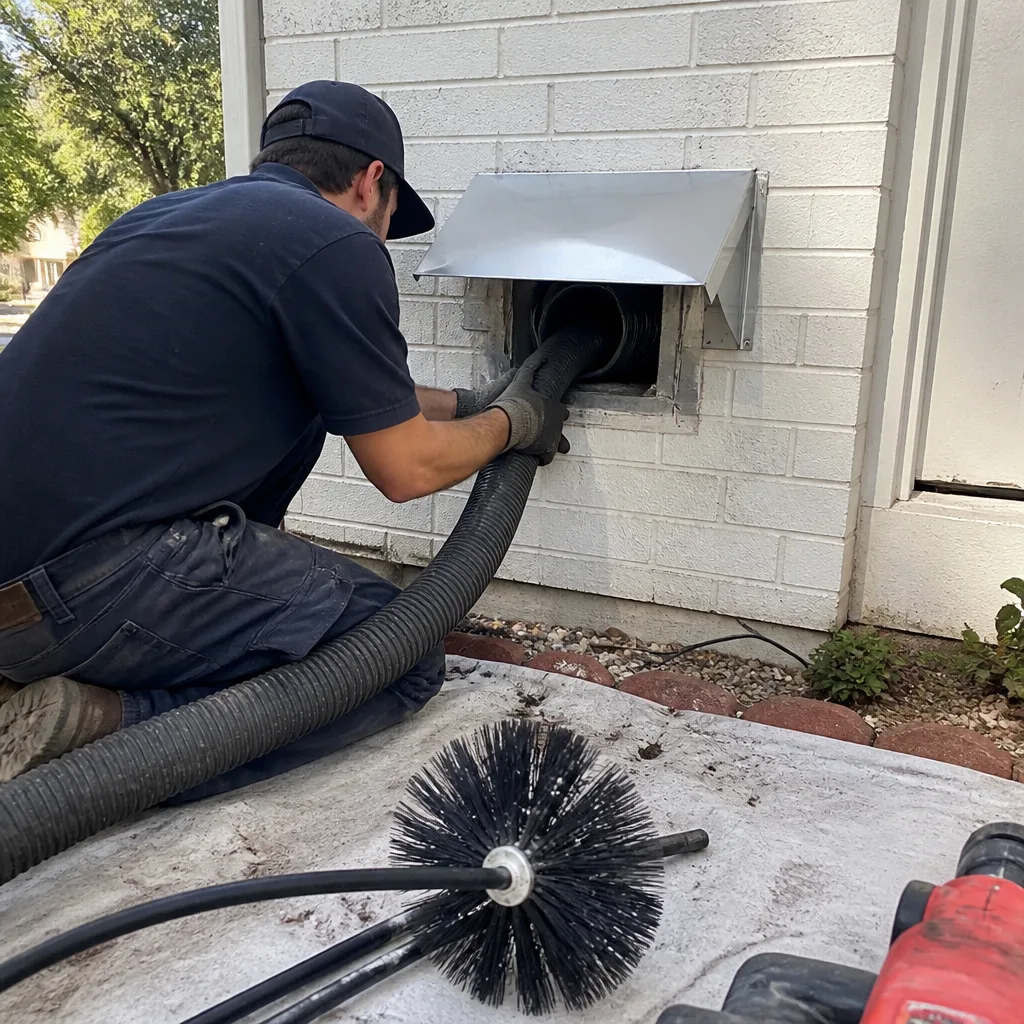
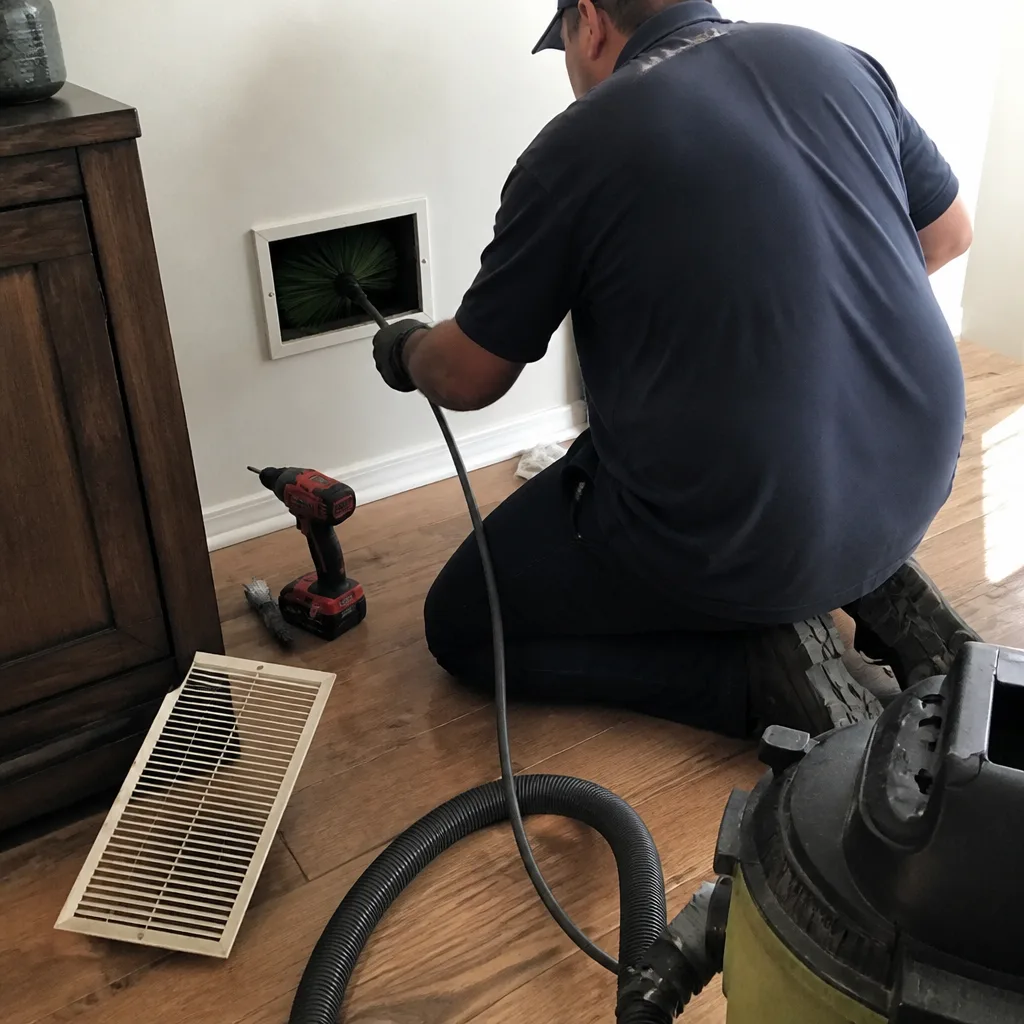
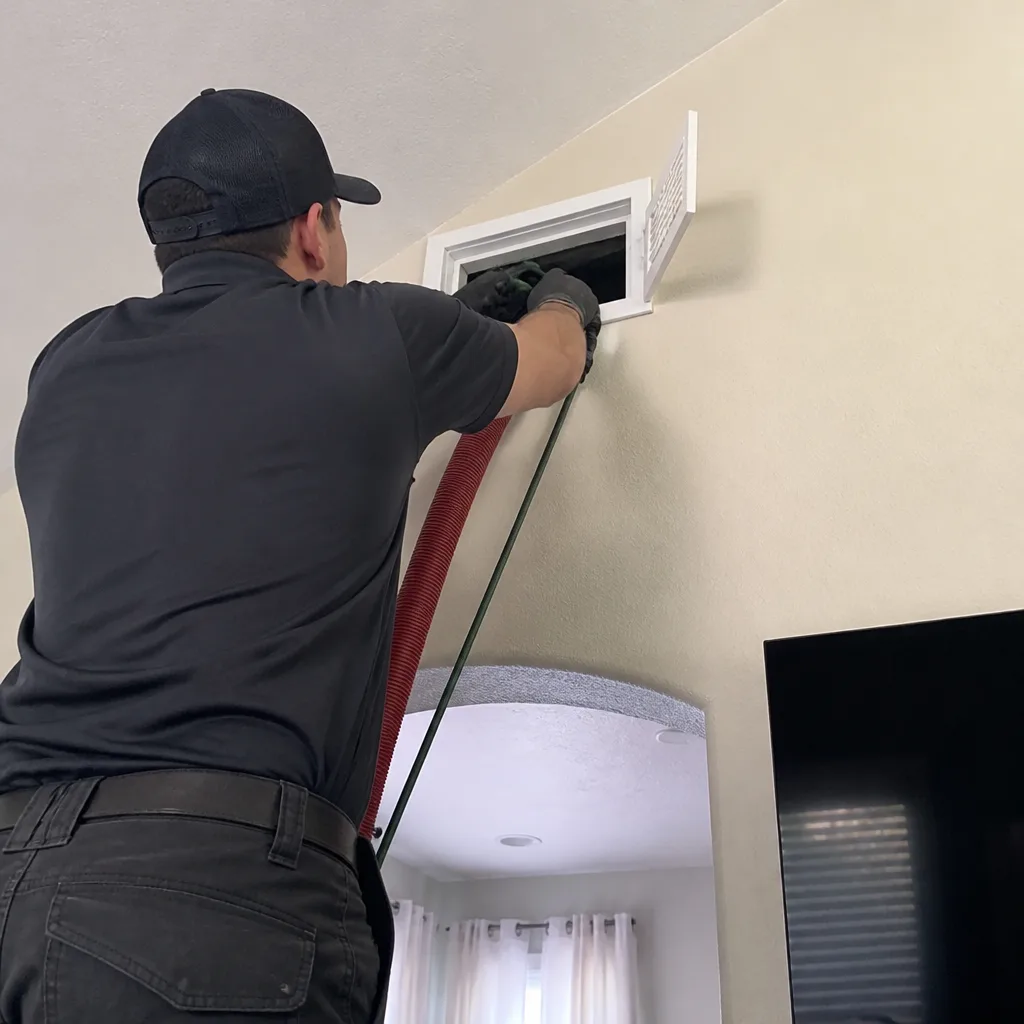
Whole-system duct and dryer vent check with before-and-after photos - you see exactly what came out of your vents
That "$99 whole-house special" is a bait ad - the real number appears once they are in your hallway, or the "clean" is a shop-vac at the register. We photograph the inside of your ducts before and after instead.
Styles & brands we work with
See the difference
 Before
 After
After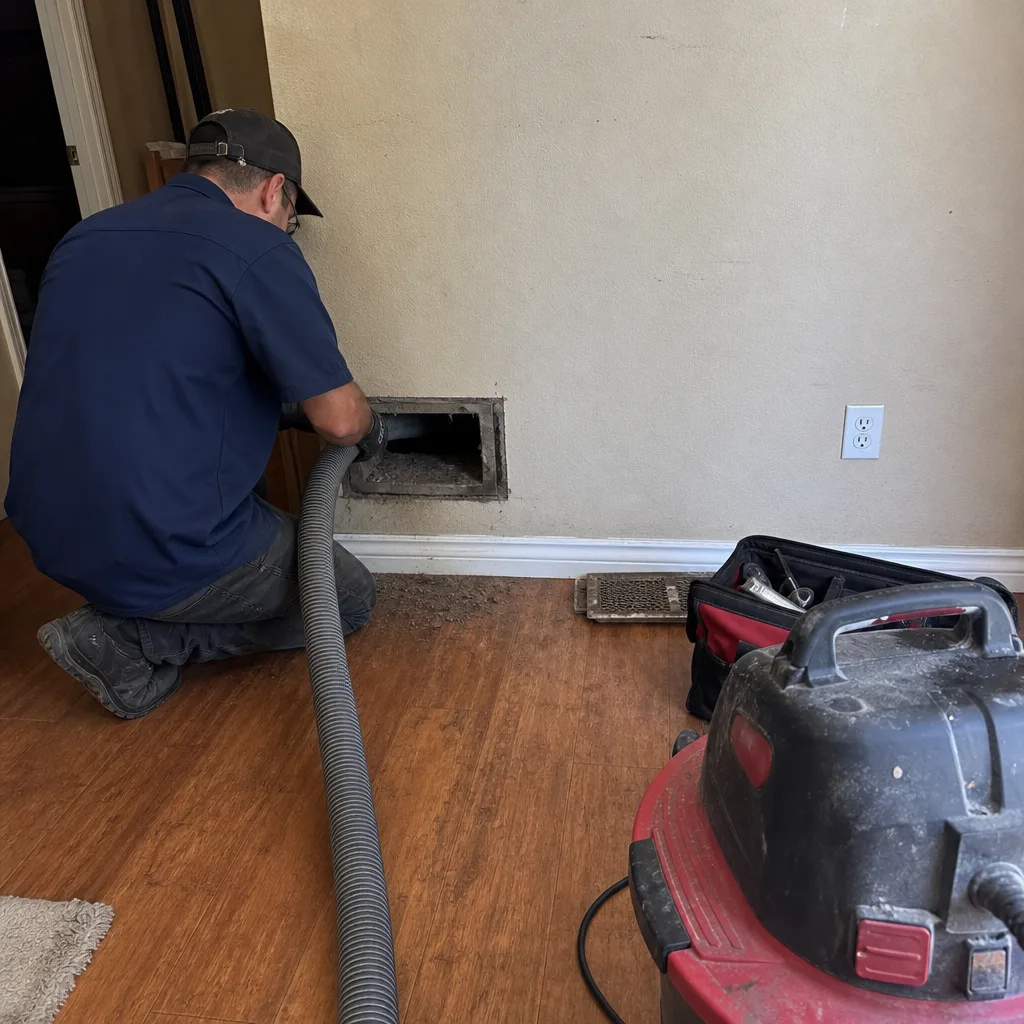 Before
 After
After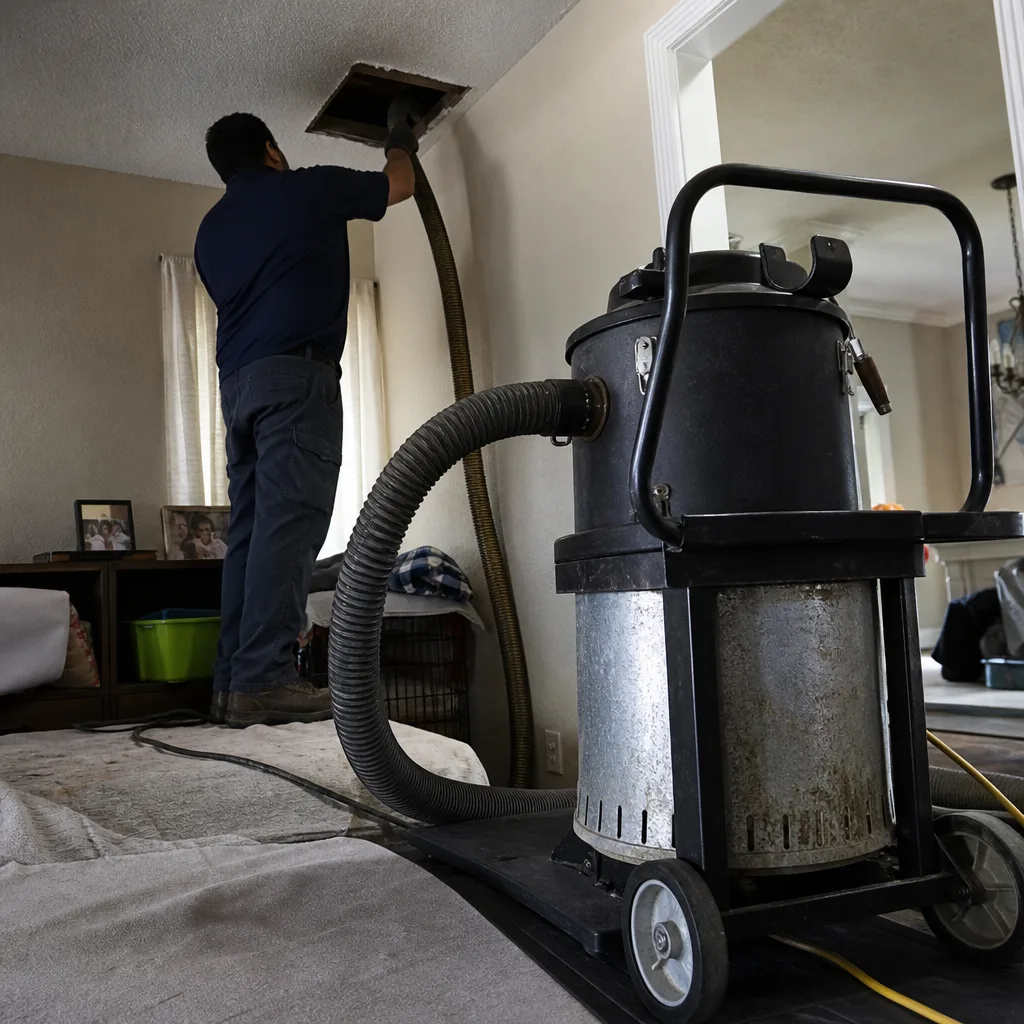 Before
 After
AfterHow Much Does Duct Repair & Sealing Cost in Fort Worth?
Duct repair and sealing in Fort Worth typically costs $350 to $950 for most jobs, with full-system sealing starting around $1,800 to $2,800 for a 1,500 to 2,500 square foot home. Smaller repairs, like sealing a single disconnected joint or patching a visible hole, run $125 to $300. The exact number depends on how much of your ductwork is accessible, how many leaks the technician finds, and the method used to seal them.
Duct Repair & Sealing Cost Breakdown (2026)
Here’s what you can expect to pay in the Fort Worth market as of 2026. These are line-item ranges based on what we charge and what we see from other licensed crews in Tarrant County.
| Service | Typical Cost Range | What It Includes |
|---|---|---|
| Inspection & leak assessment | $75 – $150 | Visual and pressure-based inspection of accessible duct runs, plus a written report and quote. |
| Single joint or seam sealing | $125 – $300 | Mastic or foil tape application at one disconnected or leaking joint. |
| Small section patch (under 5 linear feet) | $200 – $450 | Patch material, fasteners, and mastic sealing around the repair area. |
| Replacing a damaged flex duct run | $250 – $600 per run | Removal of torn flex, new insulated flex duct, and sealed connections at both ends. |
| Aeroseal-style whole-system sealing | $1,800 – $2,800 | Full duct system sealed from the inside with aerosol sealant. Best for homes with leaks in inaccessible runs. |
| Manual whole-system sealing (accessible attic) | $1,200 – $2,200 | Hand-applied mastic and tape on all accessible duct joints, elbows, and boots. |
| Return air chase or plenum repair | $400 – $1,100 | Sealing gaps where the return pulls air from unconditioned space. Often includes mastic and metal framing. |
What moves those numbers up or down? In Fort Worth, the biggest variable is access. If your ducts run through an open attic with standing room, the job is straightforward and lands on the lower end of each range. If the technician has to work around a finished ceiling in a 1960s ranch in Wedgwood or a split-level in Ridglea Hills, expect to pay more for the added labor time. Homes with original sheet-metal ducts from the 1970s and 1980s often need more sealing work than newer flex-duct systems, because forty years of thermal expansion and settling leaves gaps at nearly every joint.
What Affects Duct Repair & Sealing Pricing in Fort Worth
- Access to the ductwork. An attic with plywood decking and decent headroom is fast work. A crawlspace under a pier-and-beam home in Fairmount or Ryan Place is slower, tighter, and more expensive to work in. Labor is the largest single line item in any repair quote.
- How many leaks the system has. A system with five leaking joints costs more than a system with one. We do a pressure-based inspection and write down every location before any work starts, so there are no surprises after the fact.
- Sealing method. Manual mastic and tape is less expensive per hour but only works on ducts you can reach. Aerosol sealing treats the entire system from the inside, including runs buried in chases and walls. It costs more up front but reaches leaks no technician can access by hand.
- Age and condition of the ductwork. Fort Worth homes built before 1990 often have metal ducts that are structurally fine but leak at the seams. Homes built during the 2000s boom often have flex-duct runs that were installed fast and have sagged or torn. A torn run needs replacement, not just sealing, which changes the price from a few hundred dollars to over a thousand in some cases.
- System size and layout. A 2,000 square foot single-story home in North Fort Worth will have fewer linear feet of duct than a 3,400 square foot two-story in Keller or Southlake. More runs, more boots, more joints to seal.
- Whether you also need cleaning first. Sealing works on dry surfaces. If the inside of your ducts is coated with ten years of dust, pet hair, and construction debris, the sealant won’t adhere properly. In that case we recommend cleaning before sealing, which adds to the total project cost.
Common Signs You Need Duct Repair or Sealing
The symptoms usually show up in your utility bill before they show up anywhere else. Here’s what Fort Worth homeowners notice when their ducts are leaking.
- Rooms that never quite reach the thermostat temperature. The far bedroom in a house in Arlington Heights stays five degrees warmer than the living room in July. That’s often a disconnected or kinked duct run feeding that side of the house.
- Dust that returns within days of cleaning. Leaks in return ducts pull unfiltered attic air into the system. That air carries insulation fibers, dust, and whatever else is up there. A sealed return path keeps that out.
- Higher summer electric bills than your neighbors. When 20 to 30 percent of conditioned air is blowing into your attic instead of your living room, your AC runs longer to compensate. In a Fort Worth August, that adds up fast.
- Hot or cold spots near interior walls. A leaking boot connection can dump conditioned air into the wall cavity rather than through the register.
If these symptoms sound familiar, the Duct Repair & Sealing in Fort Worth page lays out what a typical repair visit covers, step by step.
Is Duct Repair Worth the Cost in Fort Worth?
Here’s the short version: if your ducts are leaking more than 10 percent of your conditioned air, the repair pays for itself. The Department of Energy has cited studies showing typical homes lose 20 to 30 percent of conditioned air through duct leaks. For a Fort Worth home with a $250 summer electric bill, that means roughly $50 to $75 of it goes to cooling the attic every month. Seal the leaks, and the repair cost is recovered within one to two cooling seasons, depending on the scope of work.
The non-financial benefits are easier to feel than to measure. Rooms reach temperature. The house holds its temperature overnight. The system cycles less. If anyone in the home has allergies or asthma, sealed ducts also mean less attic dust coming through the registers, because the return side of the system is no longer pulling from unconditioned space.
How to Save on Duct Repair & Sealing
We’re straightforward about this: duct sealing is not a place to hunt for the cheapest bid. A bad sealing job, using hardware-store tape instead of proper mastic, will fail within a year and cost more to redo than the original repair would have cost. But there are legitimate ways to keep the price reasonable.
- Combine it with a duct cleaning visit. If you’re already having the system cleaned, the ductwork is open and accessible. Adding sealing while we’re there costs less than scheduling a separate visit later.
- Fix the worst leaks first. A pressure test will show where the biggest volume of escaping air is. If the budget is tight, sealing the top three leaks gets most of the benefit at a fraction of the whole-system price. You can do the rest next season.
- Check for rebates before you call. Some Fort Worth-area utility programs and Texas efficiency incentives offer rebates for duct sealing work done by a licensed contractor. It varies by year and program, so call your provider and ask.
- Get a written quote before the work starts. This is the biggest one. The way to avoid paying more than you should is to know the complete price before any work begins. Our price is written down and doesn’t move at the door. If a contractor won’t give you that, walk.
Get a free estimate. Call (682) 255-2572 and we’ll send a technician to inspect your system and write down a firm price for the repair. No pressure, no moving numbers, no charge for the estimate.
Why Duct Sealing Method Matters: Mastic vs. Tape vs. Aerosol
You’ll see three common approaches when you start getting quotes, and the difference is the difference between a repair that lasts twenty years and one that fails next summer.
Mastic and foil tape is the traditional method. A technician applies a thick, paste-like sealant over the joint or seam, then sometimes backs it with UL-listed foil tape. Mastic is durable, flexible, and handles Fort Worth attic temperatures well. The limitation is access: you can only seal joints you can physically reach.
Aerosol sealing works differently. A technician seals off all the registers, connects a machine to the system, and forces a mist of sealant particles through the ducts under pressure. The particles stick to the edges of leaks and build up until the holes are closed. This reaches leaks inside walls, chases, and tight plenum spaces no one can get to by hand. It’s a newer approach and costs more, but for a home with significant leakage in inaccessible runs, it’s the only method that actually solves the problem.
We use professional-grade equipment from Rotobrush, Nikro, Abatement Technologies, and filtration products from Honeywell, Aprilaire, and Guardsman. The tools matter because a proper seal requires a clean, dry surface and the correct sealant application, not a 15-minute visit with a roll of gray tape.
How the Repair Process Works
You should know what you’re signing up for before we step into your home. Here’s the sequence.
- Inspection and pressure test. We walk the system, check accessible runs, and use a pressure-based method to find where air is escaping. You get a written list of the leaks and what it will cost to fix each one.
- Written quote, firm price. The price you’re quoted is the price you pay. We put it in writing before any work begins, and it does not change once the technician starts.
- Surface preparation. If the surfaces around the leaks need cleaning, we do that first. Sealing over dust or debris means the seal fails, and that’s not an acceptable outcome.
- Repair and sealing. Damaged sections are replaced as needed. Joints and seams are sealed with mastic, tape, or the aerosol method, depending on what your system needs.
- Post-repair verification. We retest the system and show you the difference. A job isn’t done until the numbers confirm the leaks are closed.
- Written guarantee. Every repair is covered by the 365-Day Done Right Promise in writing. If the repair fails within a year, we come back at no charge, including a free second visit.
What the 365-Day Done Right Promise Covers
This is not vague satisfaction-guarantee language. Here’s the specific commitment. If a duct repair we made fails within 365 days, we return and make it right at no charge. That includes a second visit and any labor required to correct the failure. The promise is backed in writing on every job, not issued verbally, not implied in an invoice footer. It’s part of what we call The Garrison Standard: written prices, written guarantees, and a 365-Day Done Right Promise. The rules apply to every technician who walks through your door, on every job, no exceptions.
Frequently Asked Questions About Duct Repair & Sealing Cost
How much does duct sealing cost in Fort Worth?
Manual duct sealing in Fort Worth runs $1,200 to $2,200 for a typical single-family home, while whole-system aerosol sealing costs $1,800 to $2,800. Smaller targeted repairs start at $125. Your actual price depends on access, leak location, and total system length. Call (682) 255-2572 for an exact quote, free of charge.
Is it cheaper to repair or replace ductwork?
Repair is almost always cheaper. Sealing leaks and replacing a few damaged flex runs costs $350 to $1,500 in most cases, while a full duct system replacement runs $4,000 to $8,000 depending on home size and accessibility. Replacement only makes sense if the existing ducts are severely damaged, internally deteriorated, or too undersized for the system. For most Fort Worth homes, sealing solves the problem at a fraction of replacement cost. Call us and we’ll give you an honest read on which path fits your system.
How long does duct sealing take?
A targeted repair or sealing job takes 2 to 4 hours on average. Whole-system sealing, including setup and post-testing, typically takes 4 to 6 hours. Some complex jobs on large two-story homes can run a full day. We give you a time window before we arrive and hold it.
Can you fix my ducts the same day?
In many cases, yes. If the leak is accessible and the repair is straightforward, our technician can diagnose and complete the work in a single visit. Larger jobs requiring material pickup or extensive manual sealing may need a follow-up. Our phones are answered by a live person 24/7. Call (682) 255-2572 and we’ll tell you honestly what’s possible today.
How much does a duct leak test cost in Fort Worth?
A standalone duct leak assessment costs $75 to $150 in the Fort Worth market. When you schedule duct cleaning or sealing with us, the assessment is included in the job. We use a pressure-based method to locate leaks precisely, not a guess-and-check walkthrough.
Will sealing my ducts lower my energy bill?
For a typical Fort Worth home losing 20 to 30 percent of conditioned air through duct leaks, sealing can reduce monthly cooling and heating costs by $40 to $80 during peak summer and winter months. The exact savings depend on leak severity, system age, and how efficient the HVAC equipment is. Repairs generally pay for themselves in one to two seasons.
Do you offer financing for duct sealing?
We keep our pricing straightforward and written down before the work starts, so you always know the full cost up front. For larger sealing projects, call (682) 255-2572 and ask about current payment options. We’ll give you a straight answer.
Fort Worth Neighborhoods We Serve
Our technicians work throughout Tarrant County, from the older pier-and-beam homes in Fairmount and Ryan Place to newer construction in North Fort Worth and Keller. We regularly see system designs tied to local building practices: homes built in the 2005-2015 boom in areas like Fossil Creek and Saginaw tend to have flex-duct systems with sagging or kinked runs from rushed installation, while post-war homes in Wedgwood and Ridglea have metal ducts that leak at seams after decades of attic heat. Understanding what’s common in your part of town helps us diagnose problems faster and price repairs accurately.
Whether your system is in a single-story ranch or a two-story brick home, the process is the same: inspect, quote in writing, repair, verify, and stand behind it for a year.
If you’re ready to get your ducts sealed, call us at (682) 255-2572 for a free estimate. A technician will come out, find the leaks, and hand you a written price before any work begins. Our home page has more on our cleaning and sealing services if you want to look around first.
Pricing reflects the Fort Worth market as of 2026. Hollis Air Duct Fort Worth offers free estimates – call (682) 255-2572.
Written by Roy Castellanos, Owner at Hollis Air Duct Fort Worth, serving Fort Worth since 2004.
What Our Customers Say
"No sales pitch. Told me which parts of the system were fine and only cleaned what needed it."
- Ted L."Good job on the ducts. Ran about an hour over the estimate, though they told me early. Air smells cleaner."
- Mike E."Careful with the carpet and furniture. Even wiped down the vent covers before putting them back."
- Leo B.