
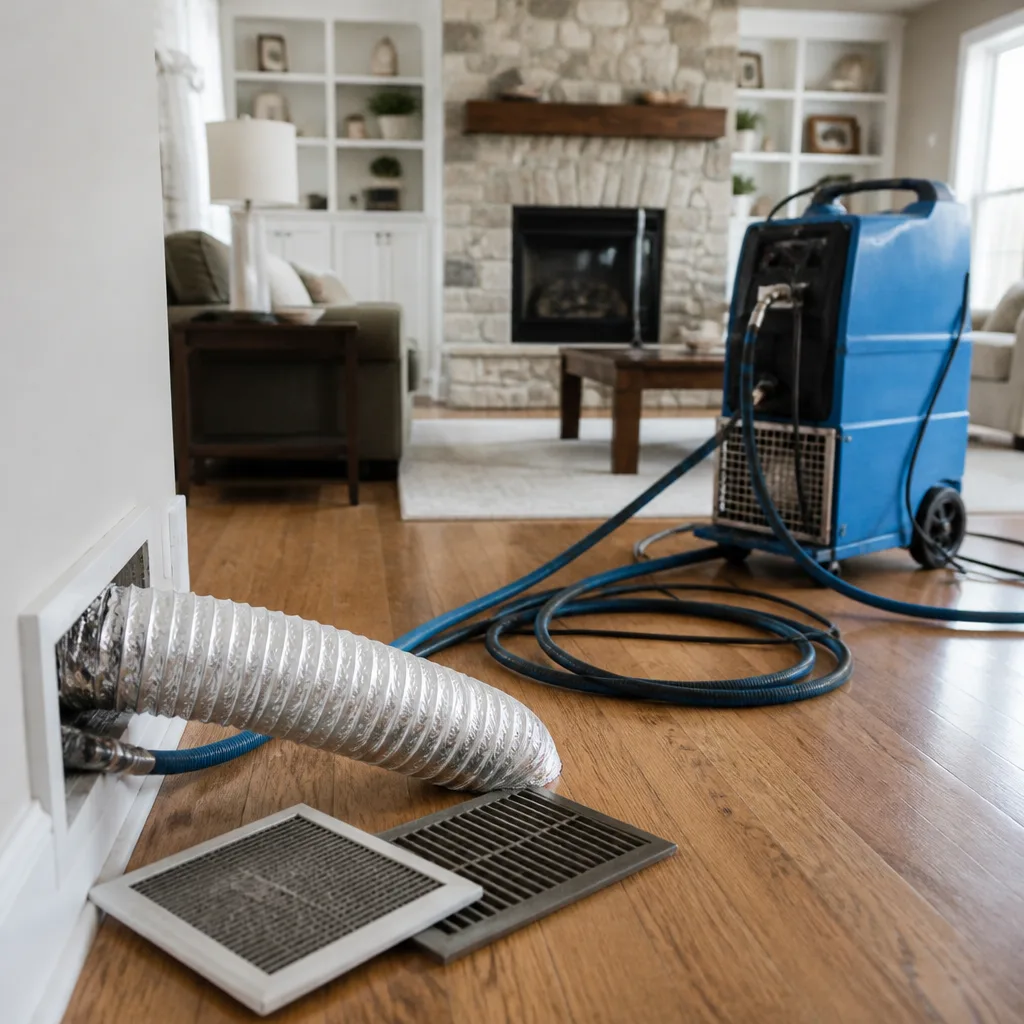
 Whole-home duct cleaning
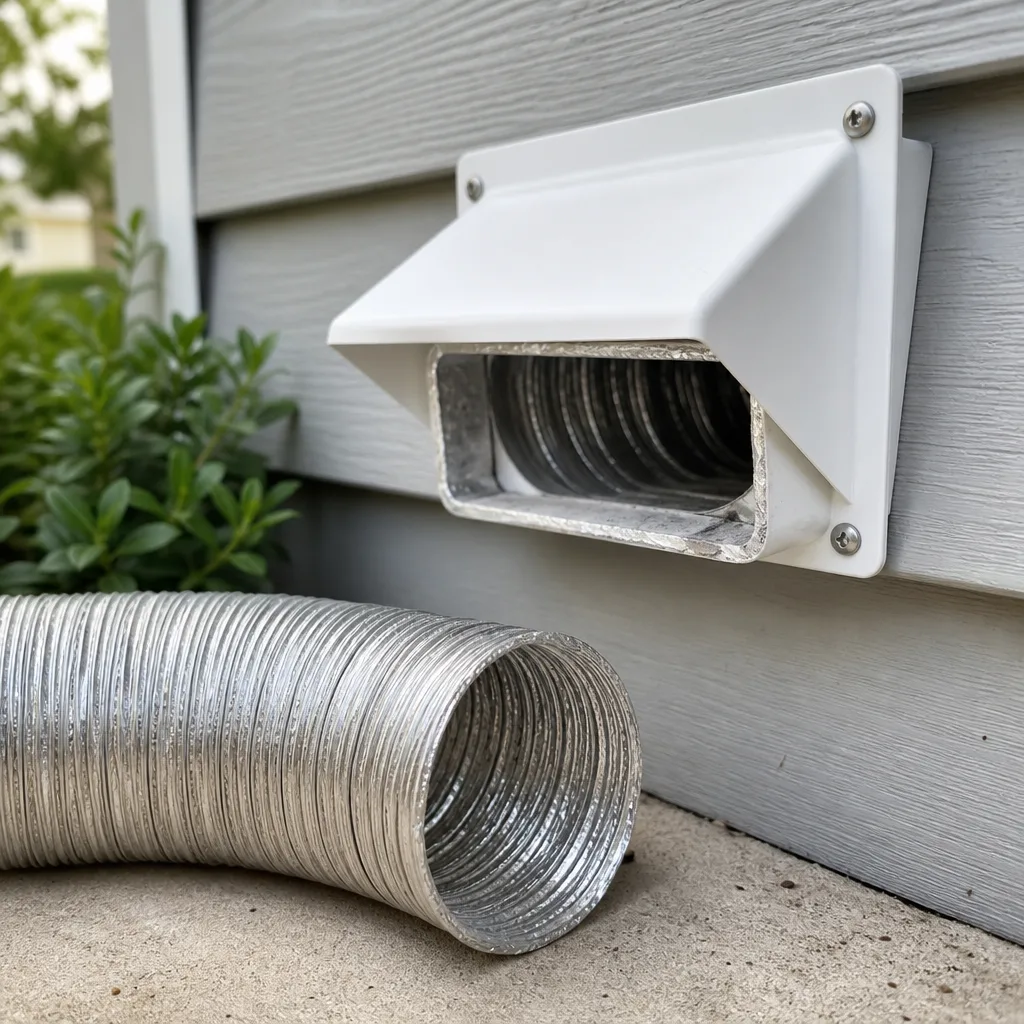 Dryer vent cleaning
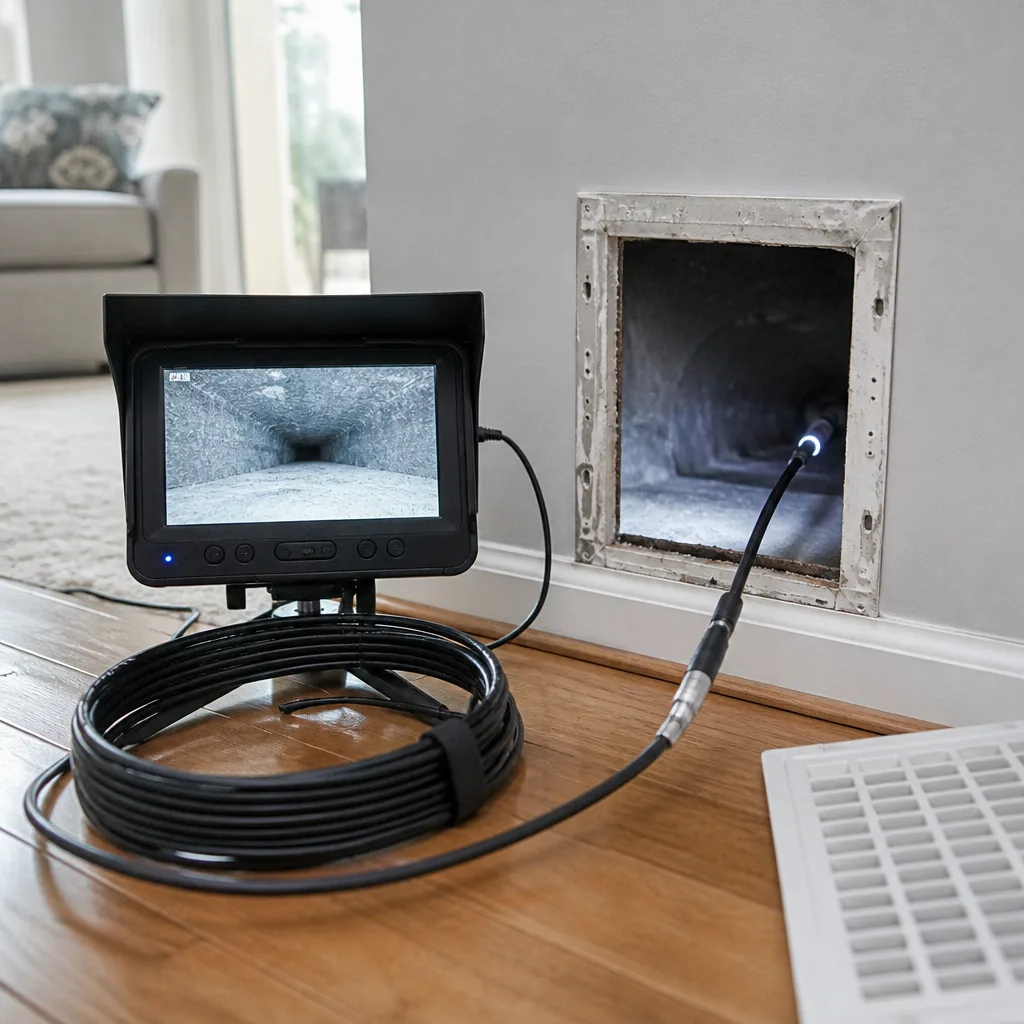 Camera inspection
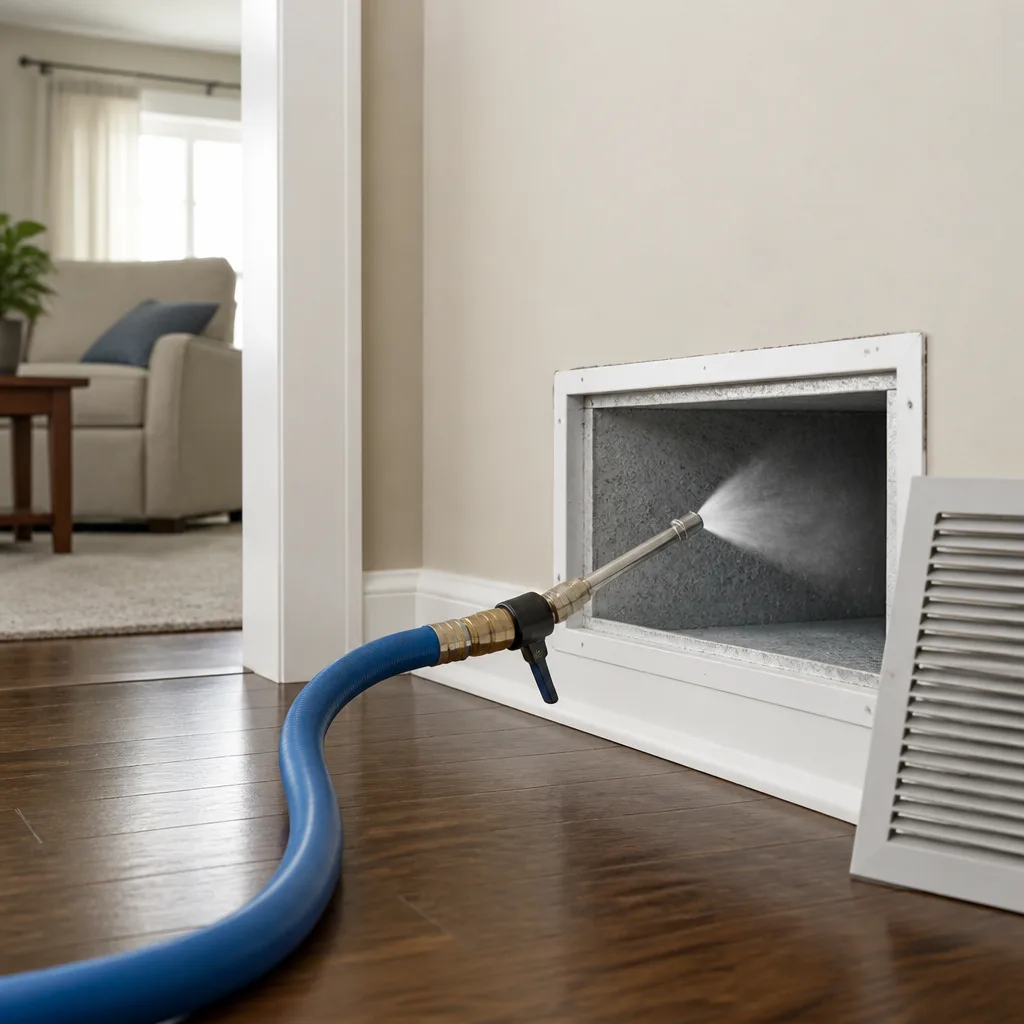 Sanitizing & deodorizing
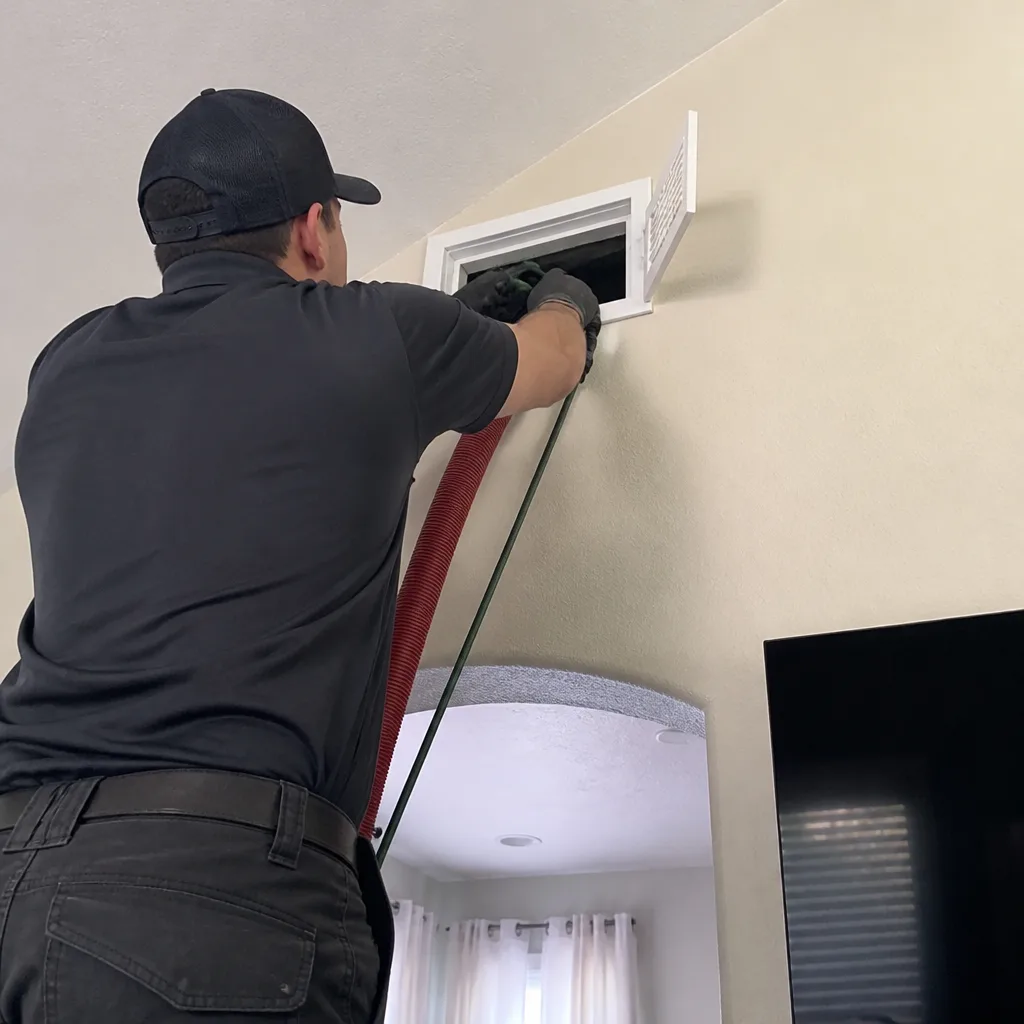
Whole-system duct and dryer vent check with before-and-after photos - you see exactly what came out of your vents
That "$99 whole-house special" is a bait ad - the real number appears once they are in your hallway, or the "clean" is a shop-vac at the register. We photograph the inside of your ducts before and after instead.
Rotobrush Duct Sealing in Fort Worth: What to Know First
Rotobrush duct sealing in Fort Worth typically runs $450 – $1,100 depending on how many leaks we find and where they sit. We’re an independent Rotobrush service provider, not a factory shop, and most jobs are done in a single visit. You’ll get a written price before we touch anything, and the work carries our 365-Day Done Right Promise in writing.
This page is for homeowners in Fort Worth who own a Rotobrush system and have noticed rooms that won’t heat or cool evenly, dust building up fast, or a power bill that crept up for no obvious reason. If that sounds like your house, call (682) 255-2572 and we’ll walk through what you’re seeing.
How Rotobrush Products Fail – and How We Fix Them
Rotobrush systems develop their own failure patterns. After nearly two decades of working on them across Fort Worth, we know where to look first. Here are the five failure modes we see most often on Rotobrush ductwork.
- Supply plenum separation on older RD series installs. The RD series (and some early RDS models) often used a slip-fit collar at the plenum connection with foil tape over the seam. Fort Worth’s summer heat cycles bake that tape, the adhesive dries out, and the collar works loose. The result is conditioned air pouring into the attic instead of the living room. We remove the failed tape, re-seat the collar, and seal it with mastic rated for attic temperatures, not hardware-store tape.
- Branch duct joints on flex runs using Rotobrush’s older grey inner-liner flex. The inner liner on early Rotobrush flex was thinner than what most supply houses sell today. Over a decade or more, it can tear at the takeoff collar where the duct meets the steel. That tear leaks air into the insulation wrap, which means the air never reaches the register in the far bedroom. We cut back the damaged liner, inspect the takeoff for sharp edges, and seal the joint with a mastic-and-mesh wrap that holds up to movement.
- Return air leaks at the filter rack on Rotobrush-ducted systems with Honeywell media cabinets. Many Rotobrush installs in Fort Worth used Honeywell media cabinets at the return. The cabinet-to-duct connection was sometimes sealed with a thin foam gasket that compresses and fails after a few Texas summers. Once it fails, the system pulls attic air through the gap, which means you’re paying to condition 140-degree attic air. We remove the old gasket, clean the mating surfaces, and seal the joint properly with mastic and mechanical fasteners.
- Leaks at the evaporator coil access panel on retrofitted Rotobrush systems. Coil panels get pulled for service and sometimes go back on without fresh gasketing or sealant. We’ve traced many a “musty” bedroom smell to a panel pulling attic air and then condensing moisture inside the duct. We re-seal the panel with a removable sealant rated for coil temperatures, not a permanent adhesive, so future service stays possible.
- Register boot separation from the drywall on slab homes in older Fort Worth neighborhoods. In ranch-style houses near the Stockyards and in Ridglea Hills, the boots at the floor registers were originally sealed to the subfloor with a bead of caulk that has long since dried and cracked. Air escapes into the wall cavity, and the register in the hallway barely moves any air. We pull the boot if accessible, re-seal the connection, and re-set the register with a proper seal.
Every one of these leaks is fixable. None of them require replacing your Rotobrush equipment. What they require is someone who knows where Rotobrush systems leak and who takes the time to find every one of them, not just the easy one at the plenum.
Styles & brands we work with
Our Rotobrush Duct Sealing Process
Roy Castellanos has seen too many duct jobs where the crew shows up, sprays some sealant at the first visible gap, and calls it done. That’s not how we work. Here’s what a Rotobrush duct sealing job looks like with us.
- 1
We walk the system with you. We ask which rooms are too hot or too cold, when you last changed the filter, and whether anyone in the house has allergies or asthma. That tells us where to look first.
- 2
We inspect every accessible connection. Plenum, trunk lines, branch takeoffs, boots, return cabinet, and the filter rack. We’re looking for the failure modes listed above and anything else that doesn’t look right.
- 3
We mark every leak and show you what we found. We’ll point to the gap, explain what it’s doing to your air, and give you a written price to seal everything we found. The price doesn’t move after that.
- 4
We seal with the right material for each location. Mastic, mastic-and-mesh, or a removable sealant at service points. We don’t use duct tape. Duct tape fails in an attic. We use what commercial crews use.
- 5
We test the system before and after. You’ll see the difference in airflow at the registers that were weak before we started. We don’t leave until every leak we flagged is sealed and the system is moving air the way it should.
- 6
We document the job and back it in writing. Every repair is covered by our 365-Day Done Right Promise. If anything we sealed fails within a year, we come back at no charge.
See the difference
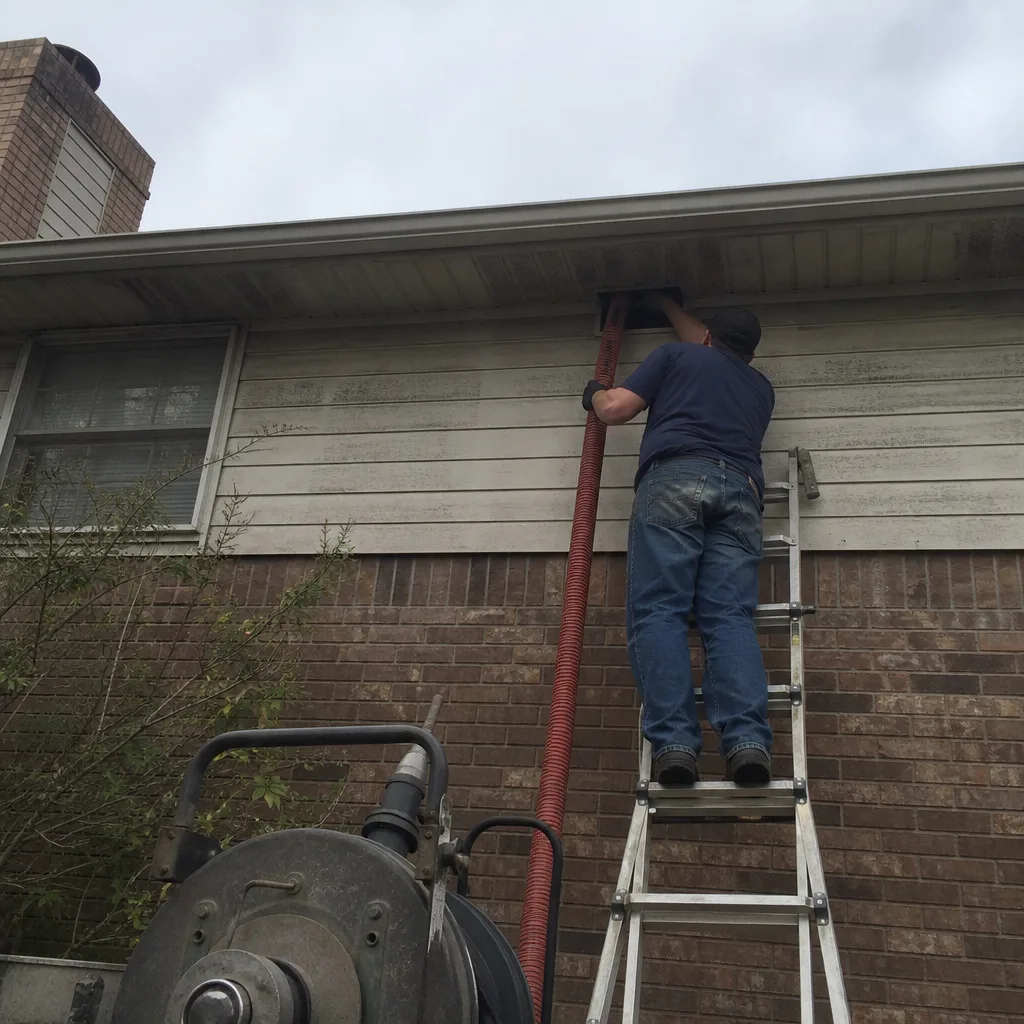 Before
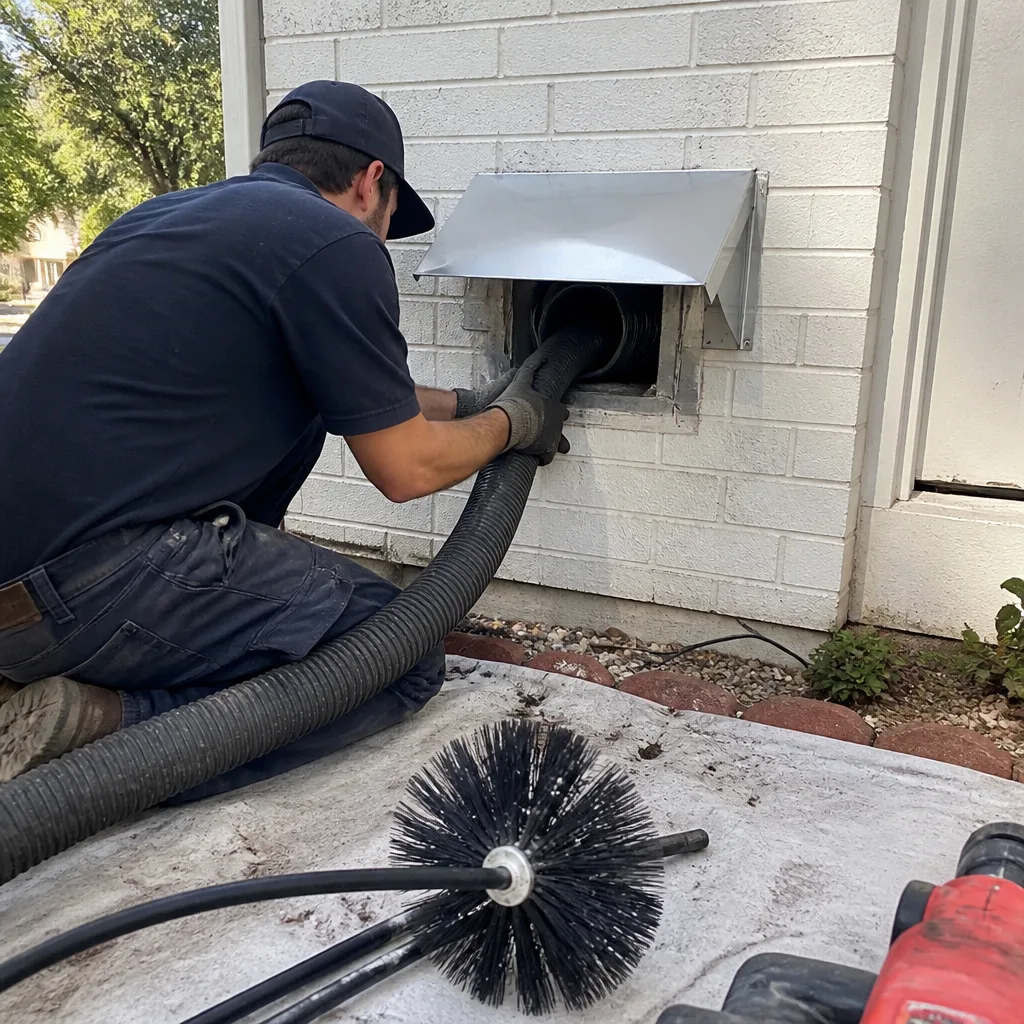 After
After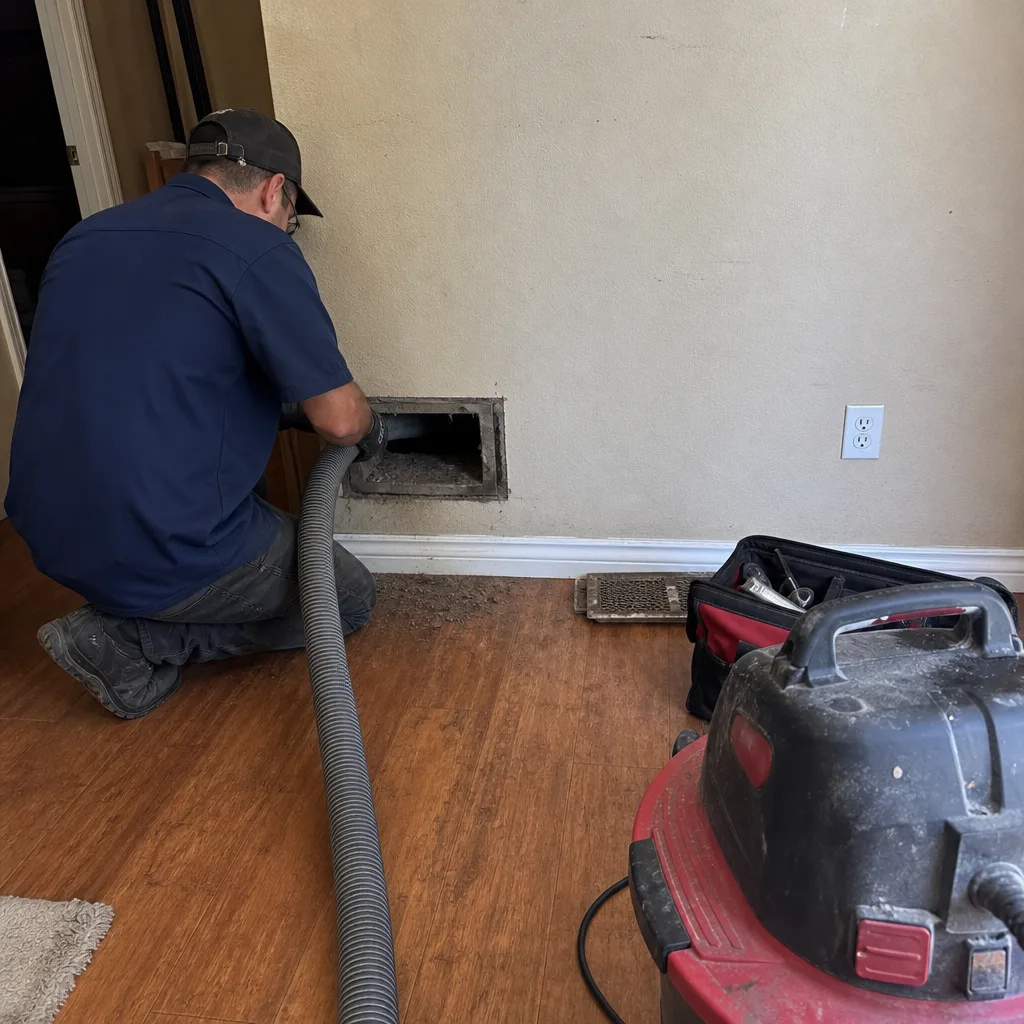 Before
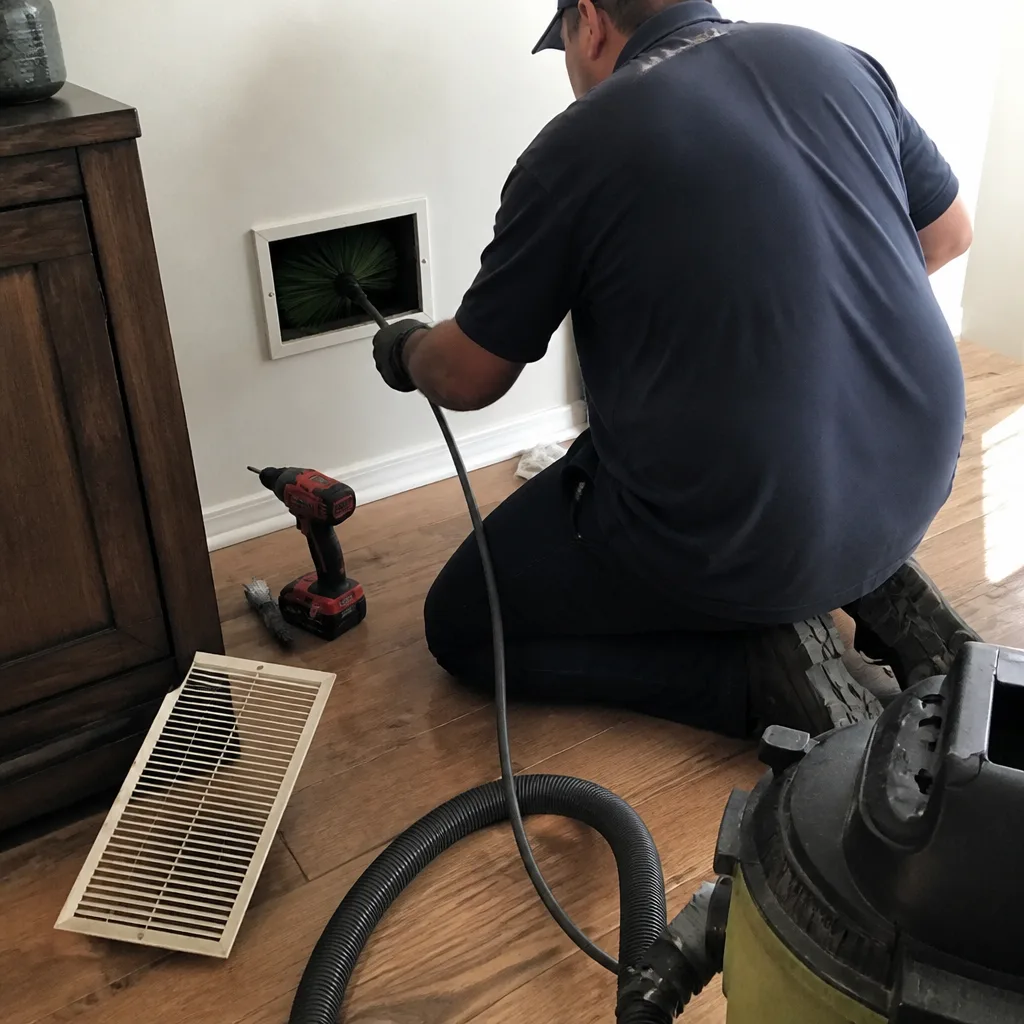 After
After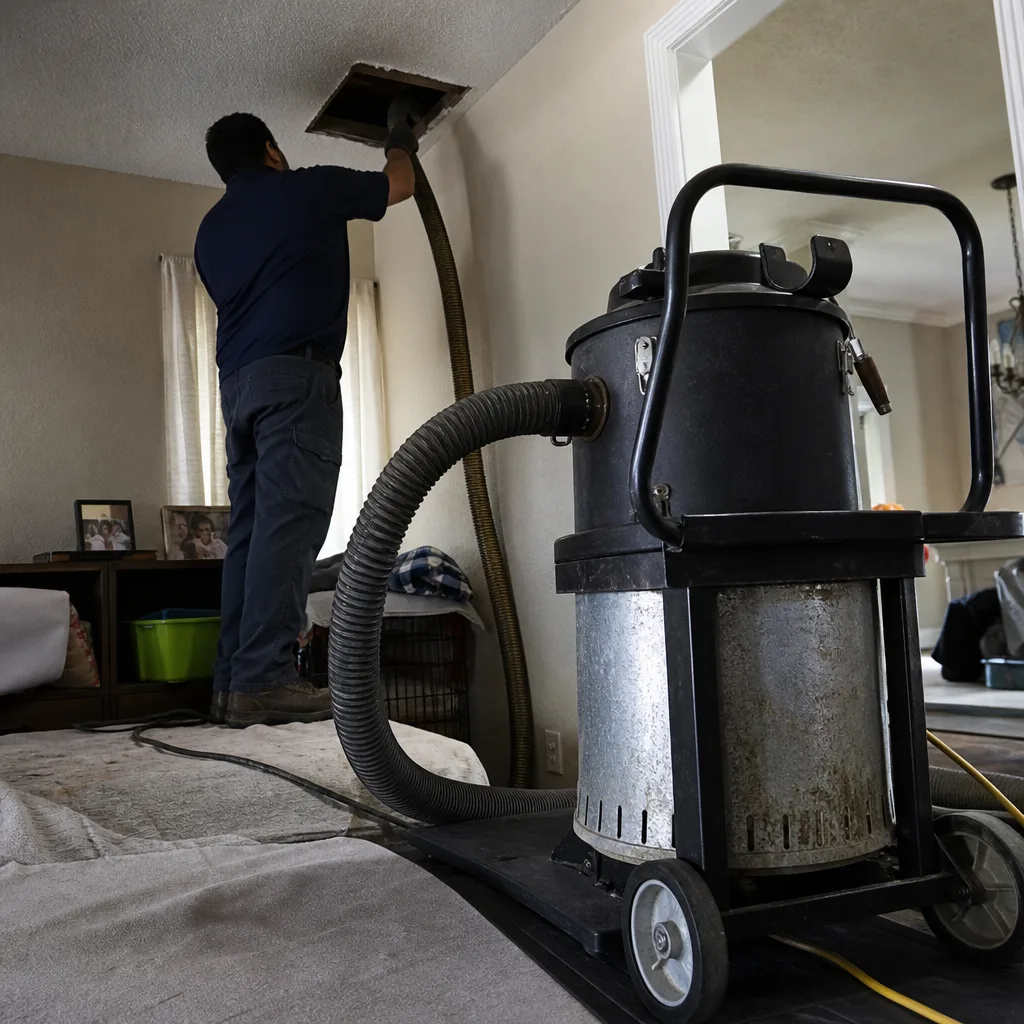 Before
 After
AfterWhat Rotobrush Duct Sealing Costs in Fort Worth
Here are the ranges we typically quote in Fort Worth, in writing, before any work starts.
- Single accessible leak at the plenum or filter rack: $450 – $650
- Multiple branch duct leaks on a typical single-story Rotobrush system: $700 – $900
- Full-system sealing on a two-story home with attic and chase access: $950 – $1,100
What moves the price is access, not the number of vents. A system in an attic with a walkway is faster to work on than a crawlspace system under a pier-and-beam house in Arlington Heights. Register boot access from below can add time too. You’ll know the number before we open a single access panel.
Call (682) 255-2572 and we’ll give you a free estimate on your Rotobrush system, with the price in writing.
Why Fort Worth Homeowners Call Hollis Air Duct Fort Worth for Rotobrush Work
We’ve been doing this since 2004, and the Rotobrush brand has been a regular part of our service calls across Fort Worth the whole time. Our techs know the failure points specific to Rotobrush installs, which means the inspection is faster and the fix is right the first time.
Every job comes with a written price before work starts, a uniformed and background-checked technician, and our 365-Day Done Right Promise in writing. If a sealed joint fails within a year, we return and make it right at no charge, including a free second visit.
We work on other brands too, including Lennox, Trane, and Carrier, so if your Rotobrush system shares the plenum with another manufacturer’s equipment, we can handle the whole thing in one visit. Roy Castellanos leads the work, and the standard is simple: show up, find every leak, seal it right, and leave the site clean.
Rotobrush Duct Sealing FAQs
We are an independent Rotobrush service provider, not an authorized dealer, and we don’t take actions that would compromise your equipment’s integrity. The sealing work we perform is on the ductwork connections and accessible joints, not on the internal components of the Rotobrush machine itself, so the manufacturer’s equipment warranty typically remains unaffected. We use reversible sealants at service points like coil panels specifically so any future warranty work by an authorized technician is still possible.
Call (682) 255-2572 and we’ll explain exactly where we seal and why it doesn’t touch your equipment warranty.
Most Rotobrush duct sealing jobs in Fort Worth are completed in a single visit lasting 3 to 6 hours depending on access and the number of leaks we identify. If your system is in a tight attic or crawlspace, we’ll tell you the time range when we quote the job. We don’t stretch a job over multiple days when one focused visit will do it.
For sealing, we use professional-grade mastic, mastic-and-mesh tape, and removable sealants that are rated for the temperatures and movement you get in a Fort Worth attic. These are the same materials commercial HVAC crews use. When a Rotobrush-specific replacement part is needed, we’ll tell you whether an OEM part or a quality aftermarket equivalent is the better choice, and you’ll see both options priced in writing before we order anything.
It’s almost always a climate issue, not a brand issue. Fort Worth’s summers push attic temperatures past 140 degrees, and that heat accelerates the failure of tape adhesives and thin foam gaskets. A job sealed with duct tape or the cheapest mastic will fail again inside a few years. We use materials rated for sustained attic heat, which is why we can stand behind the work with a 365-Day Done Right Promise in writing.
If the Rotobrush machine itself is running and the ductwork is structurally sound, sealing is almost always the better spend. Replacement runs into thousands of dollars and you’ll still need the new system sealed properly at every connection. Leak sealing costs a fraction of replacement and typically takes care of the rooms that won’t heat or cool and the dust that keeps coming back. We’ll tell you honestly if we think replacement is the right call, but it’s rarely the first answer.
Clean ducts don’t advertise themselves – but dirty ones will. If your Rotobrush system is leaking, the fix is straightforward: we find every leak, seal it with the right material, and stand behind the work for a full year. Call (682) 255-2572 for a free estimate on Rotobrush duct sealing in Fort Worth. The price comes in writing before we start, and it doesn’t move.
Written by Roy Castellanos, Owner, Hollis Air Duct Fort Worth at Hollis Air Duct Fort Worth, serving Fort Worth and nearby areas.