
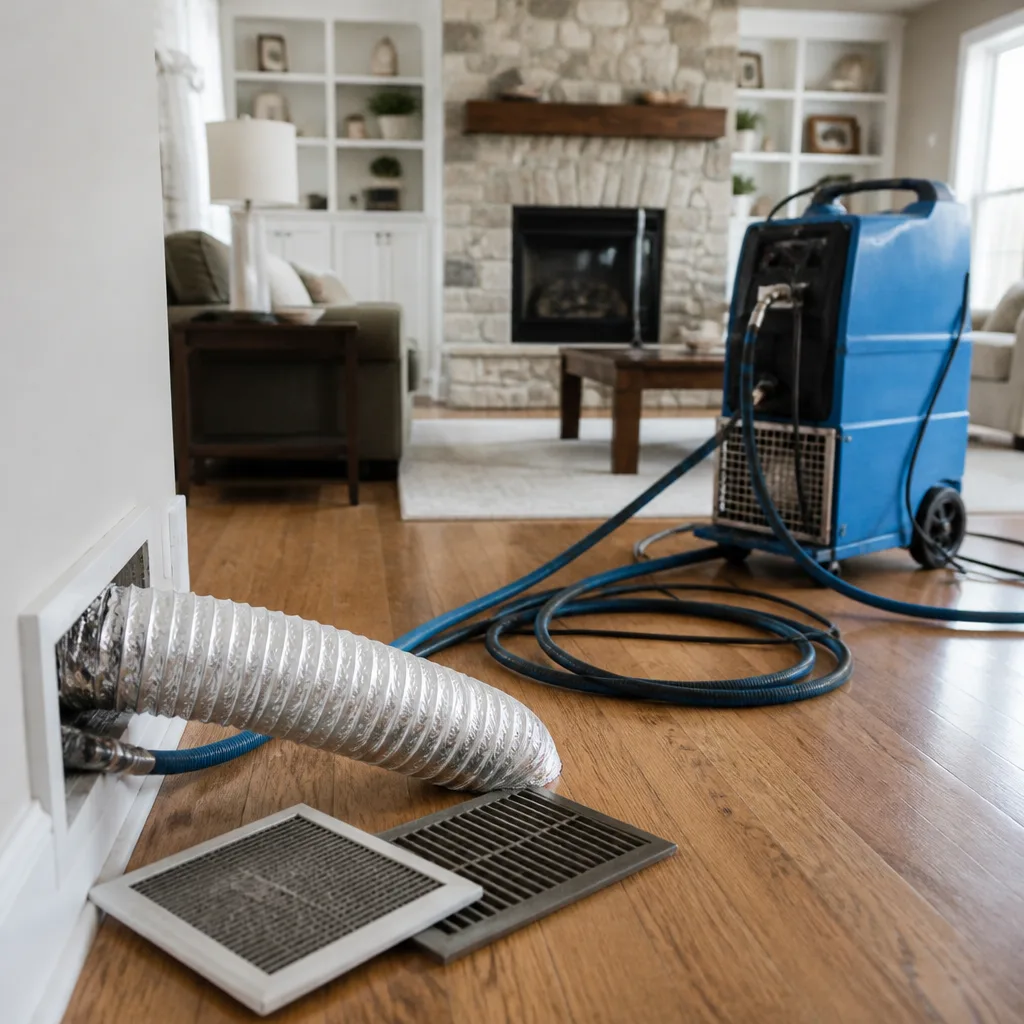
 Whole-home duct cleaning
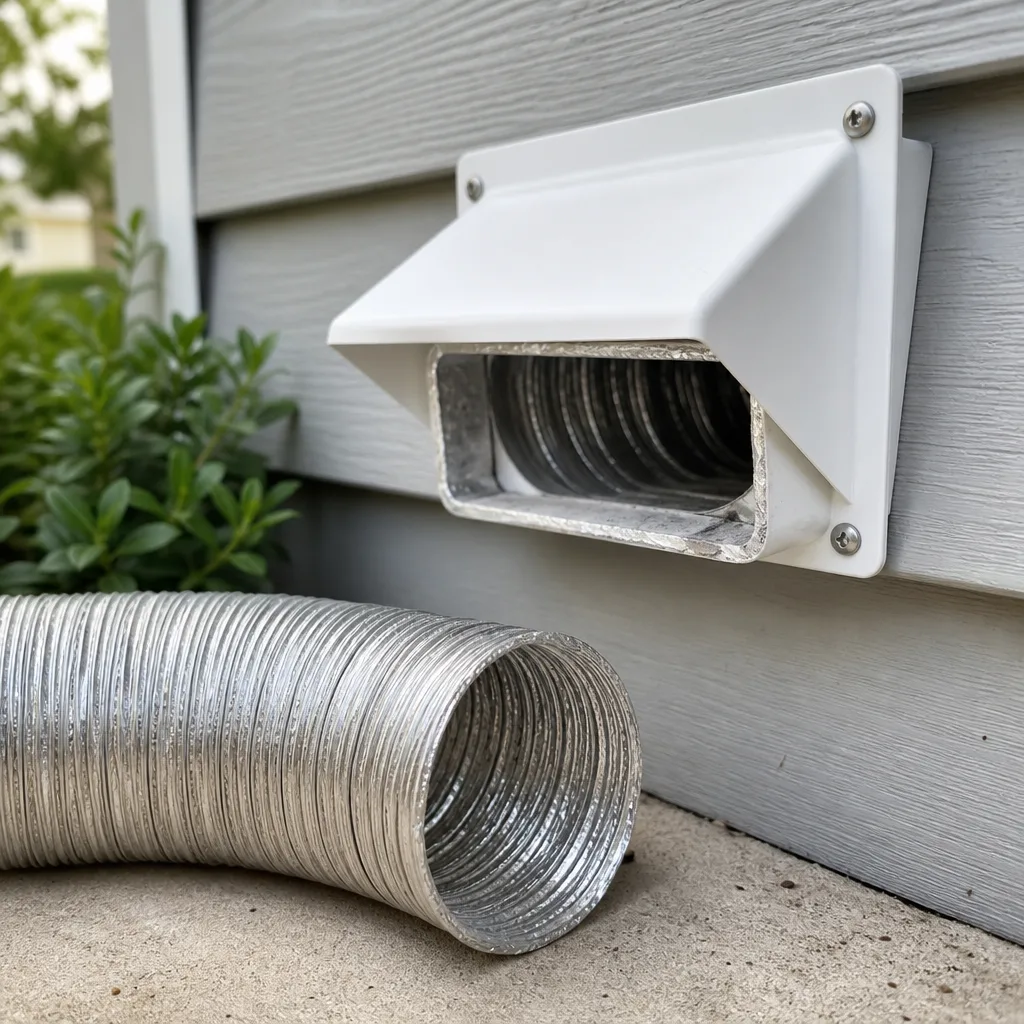 Dryer vent cleaning
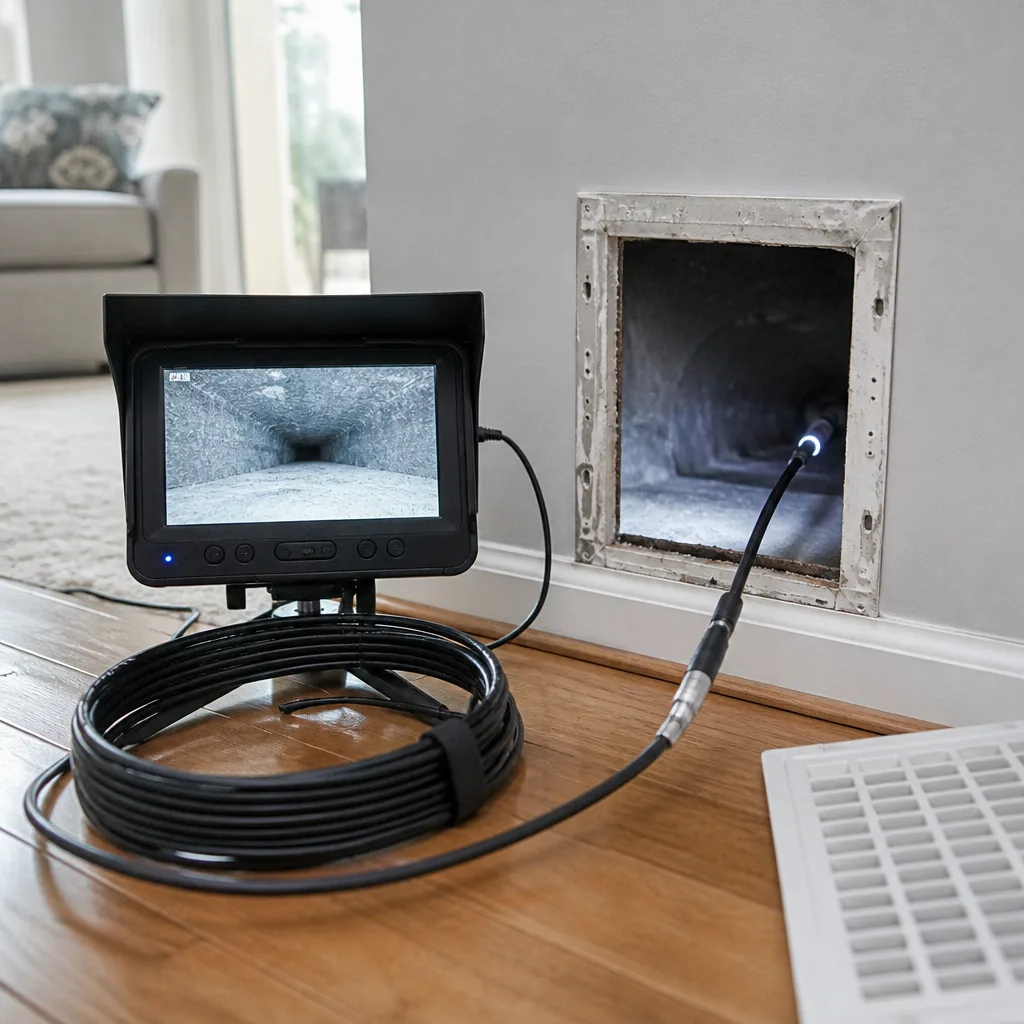 Camera inspection
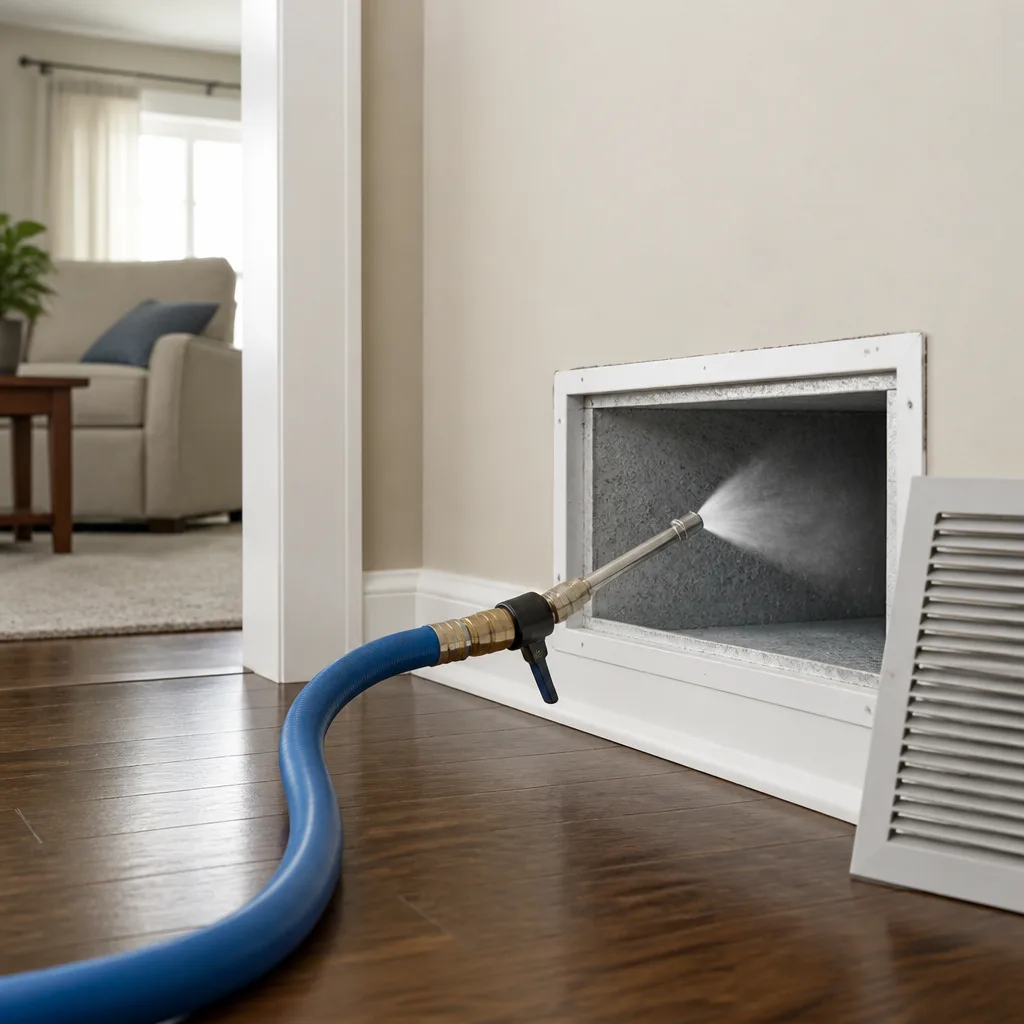 Sanitizing & deodorizing
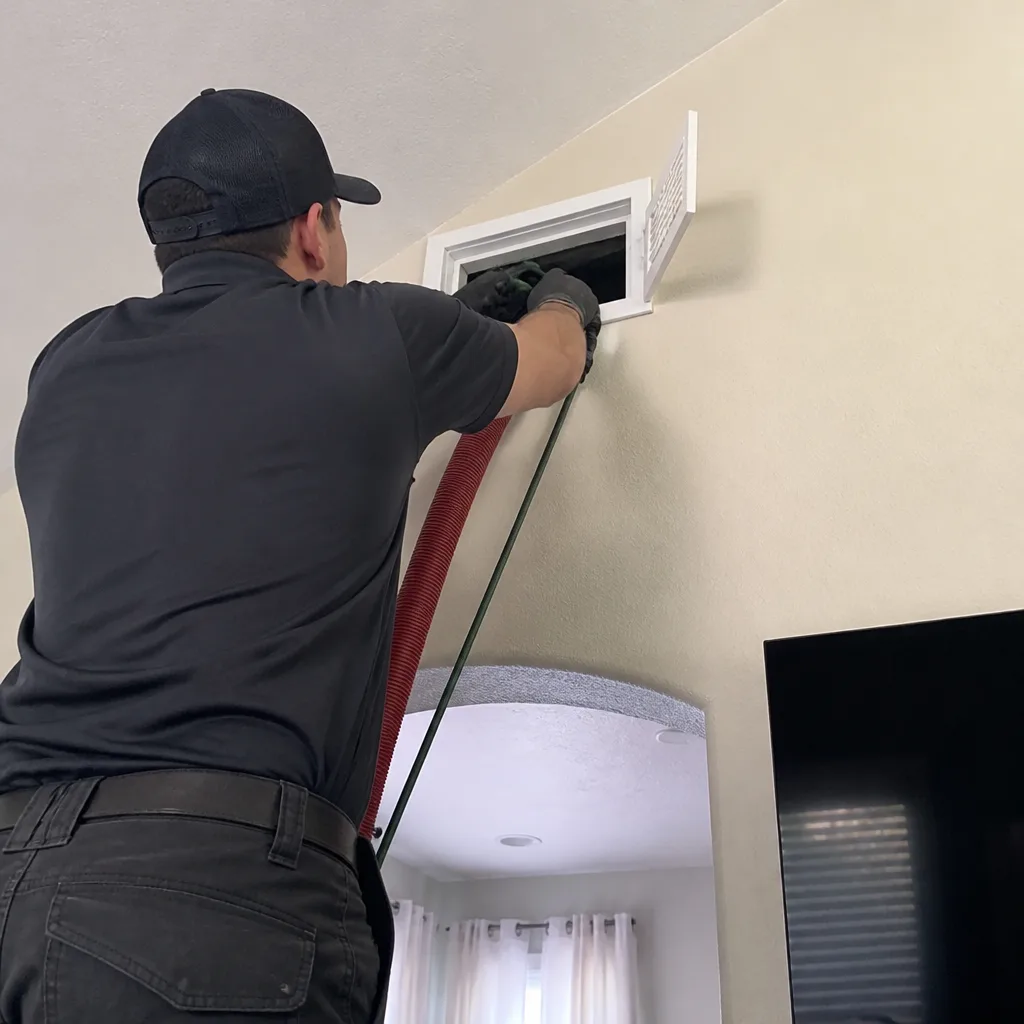
Whole-system duct and dryer vent check with before-and-after photos - you see exactly what came out of your vents
That "$99 whole-house special" is a bait ad - the real number appears once they are in your hallway, or the "clean" is a shop-vac at the register. We photograph the inside of your ducts before and after instead.
Honeywell Coil Cleaning: The Fort Worth Owner’s Guide
Honeywell coil cleaning in Fort Worth typically runs $180 to $420 for a full evaporator coil cleaning on a residential system, with most jobs completed in 90 minutes to two hours. We stock Honeywell-compatible coil cleaning solutions and the equipment to do it right, and we carry the brand’s filtration line alongside Aprilaire and Guardsman on our trucks. Most homeowners discover the problem the same way: the AC runs constantly but the house never quite cools, or the system freezes up on a July afternoon when Fort Worth hits triple digits.
The coil in your Honeywell system is a heat exchanger. It’s a bank of aluminum fins, usually shaped like an A or a slab, sitting inside your air handler. When it’s clean, air passes over those fins, heat transfers out, and you get cold air at the register. When it’s packed with dust and pet hair, the coil becomes an insulated block. The refrigerant can’t shed heat, the system works harder, and your electric bill climbs while the house stays warm. We see it every summer across Fort Worth, from Wedgwood to the older homes near TCU.
Which Honeywell Models This Applies To
Honeywell doesn’t manufacture coils directly for residential systems in the way Lennox, Trane, and Carrier do. What Honeywell brings to your air handler is the control side and, more often, the filtration side: electronic air cleaners, media cabinets, UV systems, and the thermostats that run the whole show. The coil itself may be a Trane, Lennox, Carrier, or Goodman unit, but the Honeywell components around it determine how well that coil stays clean. If you have a Honeywell electronic air cleaner upstream of the coil, its performance has a direct effect on how fast the coil fouls.
Here’s the compatibility gotcha we run into in Fort Worth homes: a Honeywell F300 electronic air cleaner or an F100 media cabinet traps particles before they reach the coil. If that Honeywell filter grid or media pad is worn, torn, or simply not replaced on schedule, the coil downstream gets hit with everything the filter missed. The coil cleaning itself is brand-agnostic; what matters is that we check the Honeywell filtration component at the same time. If the filter isn’t doing its job, you’ll be calling us again next summer for the same coil. We clean the coil, yes, but we also verify the Honeywell media or electronic cell is in spec so the fix holds.
We are an independent service provider. We are not affiliated with Honeywell, but we service systems that use Honeywell filtration and controls every week.
Styles & brands we work with
Signs Your Honeywell Coil Cleaning Is Failing
- The system runs 45 to 60 minutes and the house doesn’t cool. A fouled coil can’t transfer heat efficiently. The refrigerant cycle keeps running, but the air blowing off the coil is barely cooler than what’s coming in. In Fort Worth’s August heat, the system simply can’t keep up.
- Ice forms on the copper lines at the air handler or outdoor unit. When airflow drops below a critical threshold, the coil gets too cold and condensation freezes. This is a symptom of restricted airflow, and a dirty coil is one of the most common causes we find in older Fort Worth homes with Honeywell filtration systems that haven’t been maintained.
- Your electric bill climbs without a change in behavior. A fouled coil forces the compressor to run longer and harder to pull the same amount of heat. When we pull apart a coil that’s been neglected for three or four years, the homeowner almost always reports higher summer bills for the past two seasons.
- Weak airflow at the registers. The coil sits directly in the air stream. As it loads up with hair, dust, and the fine Texas clay-dust that blows through Fort Worth in the spring, it acts like a clogged filter, reducing system airflow.
- The air smells musty or like wet dogs when the AC kicks on. A dirty coil holds moisture. Moisture plus dust equals biological growth. The smell tells you the coil is wet longer than it should be and probably hasn’t been cleaned in years.
See the difference
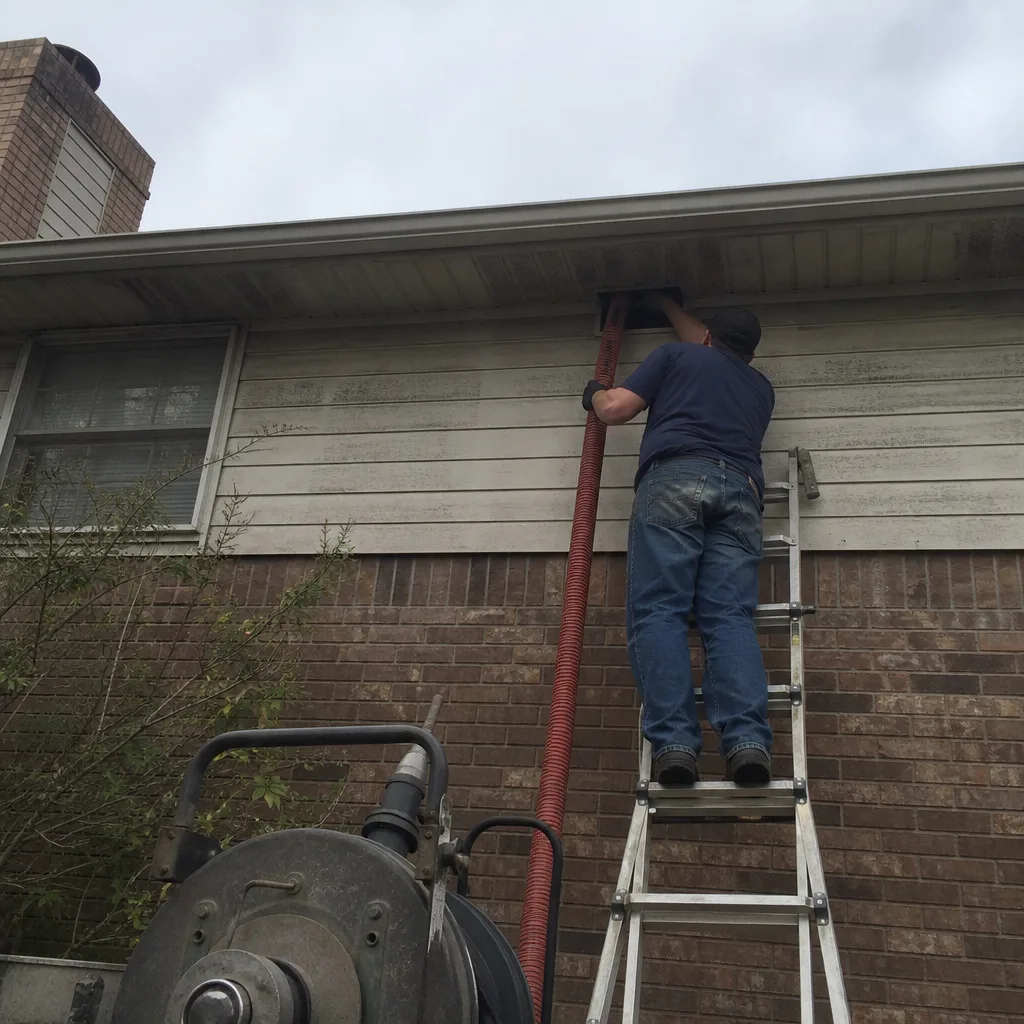 Before
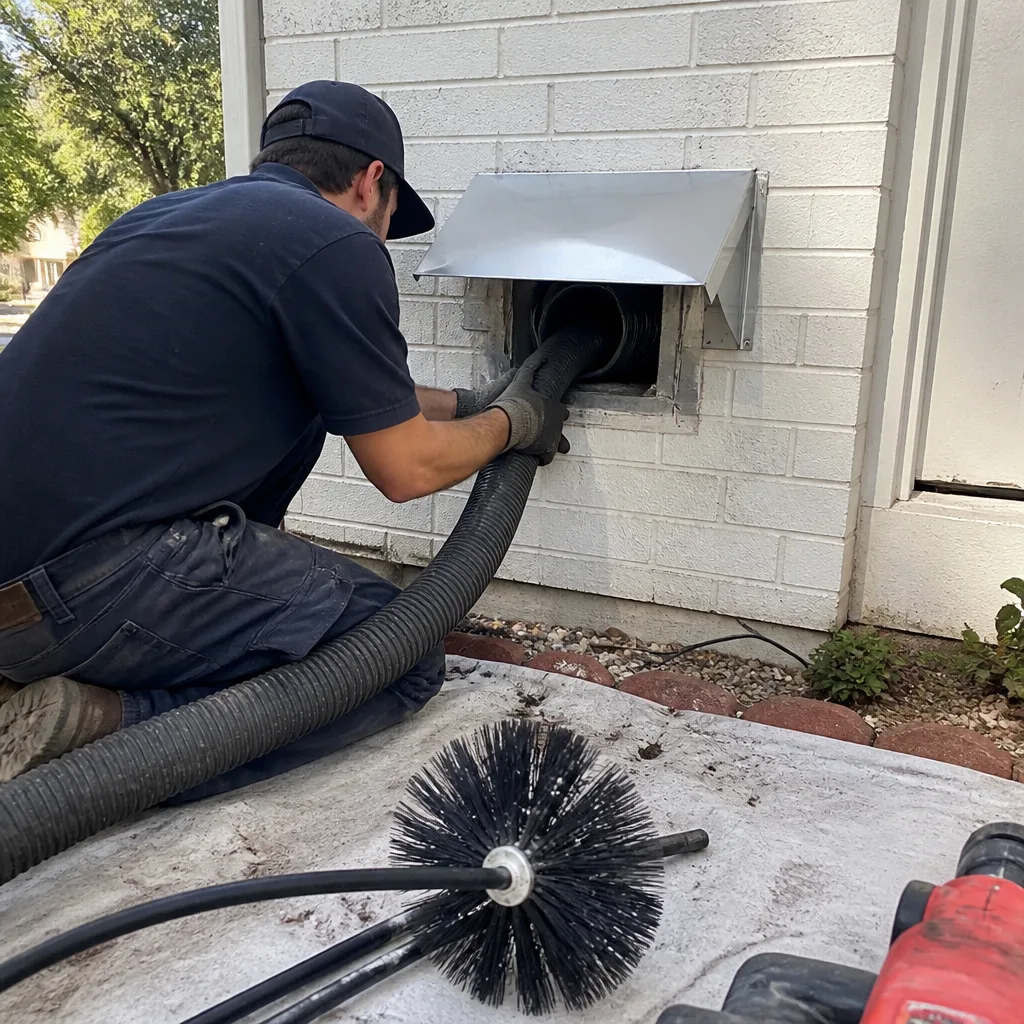 After
After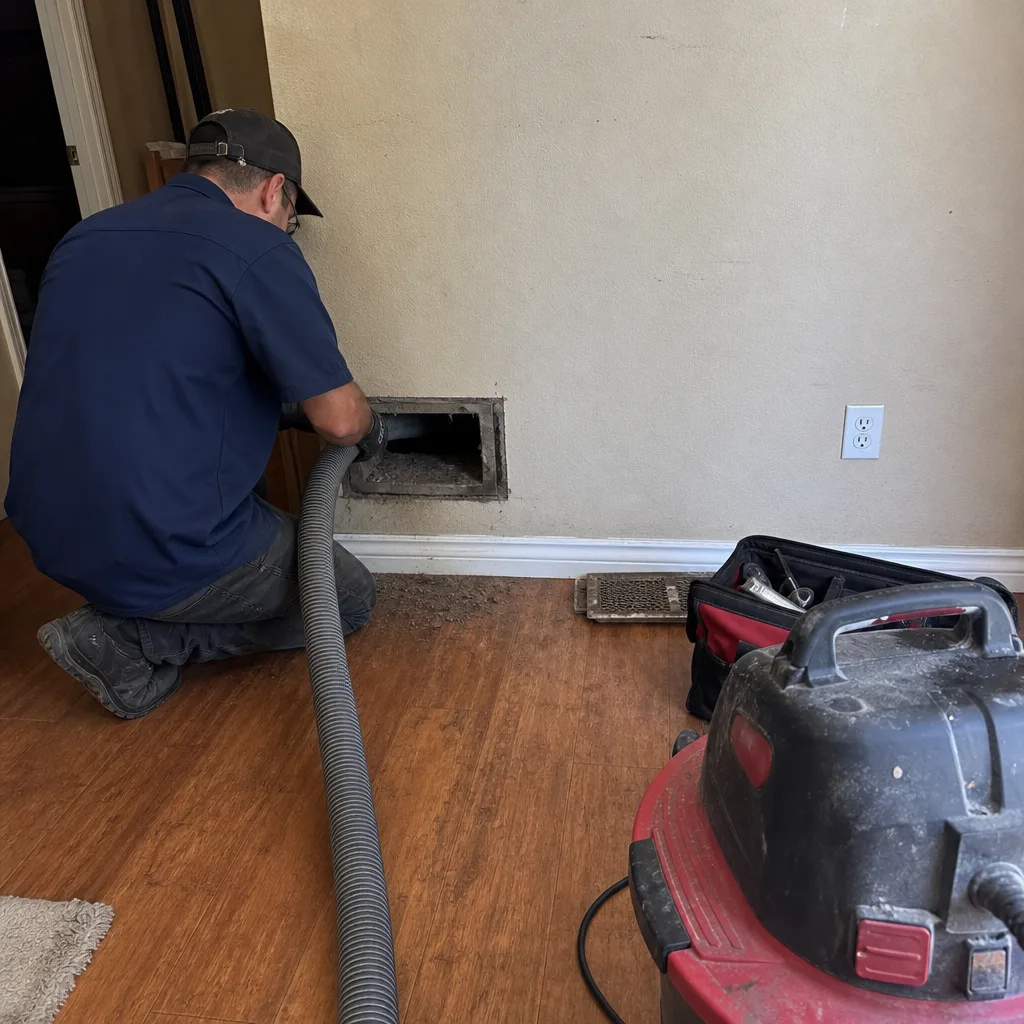 Before
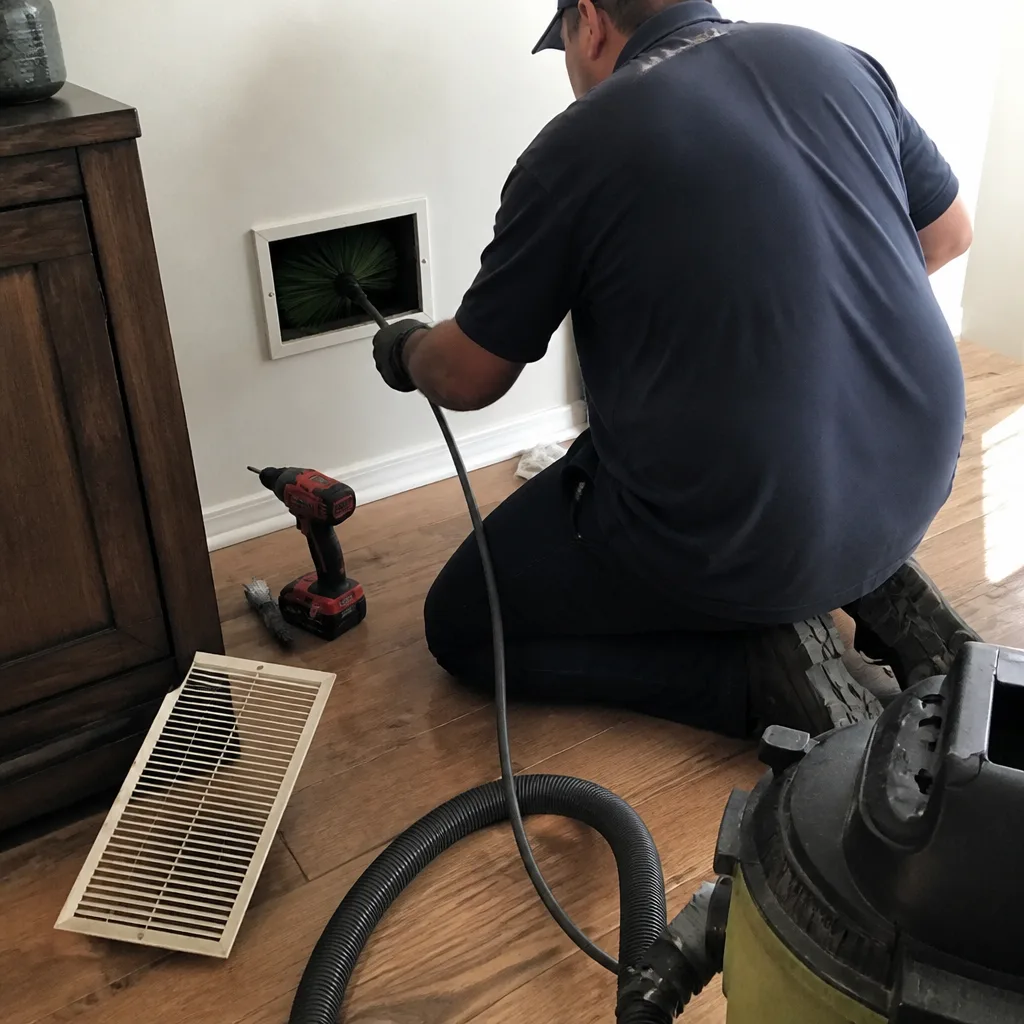 After
After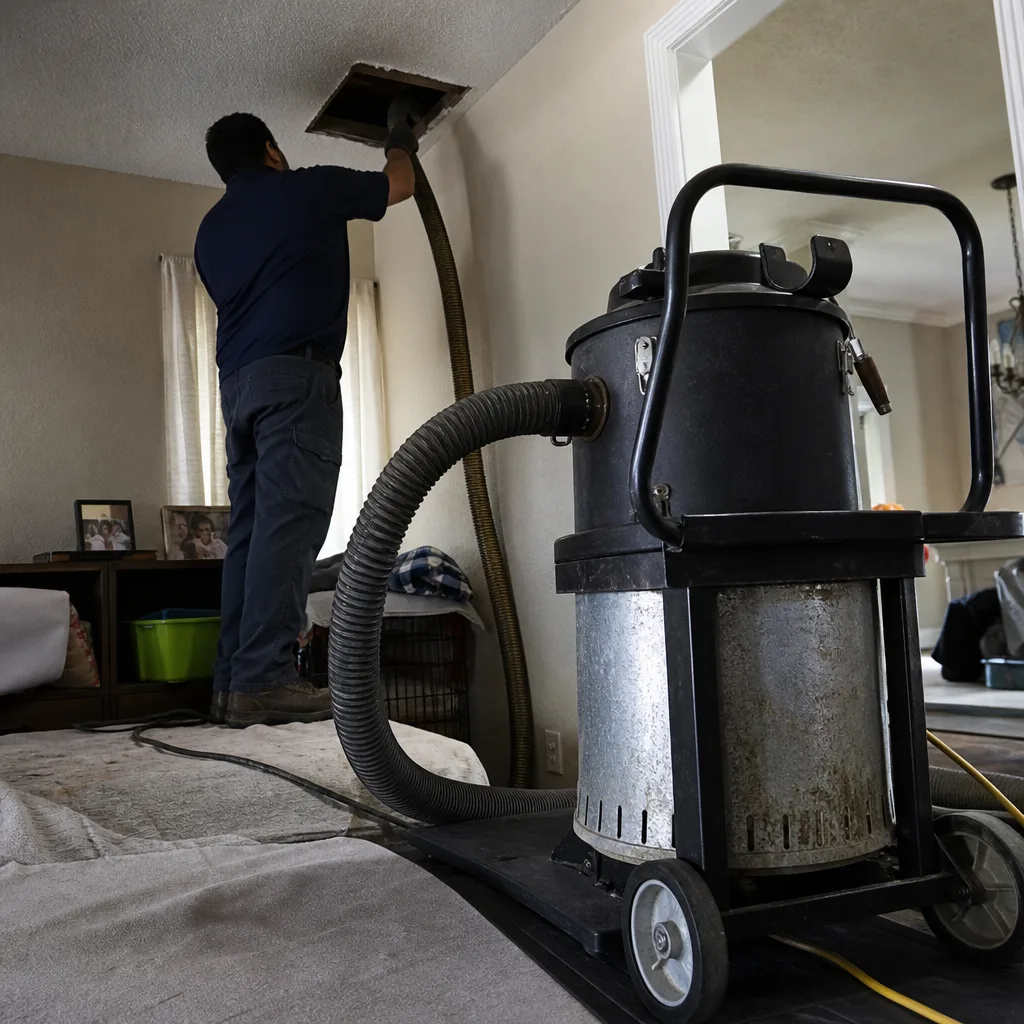 Before
 After
AfterReplacement Cost & What’s Included
Here’s what to expect for coil cleaning on a Honeywell-filtered system in the Fort Worth market.
- Accessible slab coil cleaning: $180 to $280, including coil cleaner, rinse, and condensate drain flush.
- A-coil cleaning with plenum removal: $260 to $380. This requires pulling the access panel, sometimes cutting into the plenum, and resealing with duct mastic afterward.
- Heavily fouled coil with biological growth: $320 to $420, including antimicrobial treatment and a repeat rinse pass.
- Honeywell filter media or electronic cell inspection: Included with every coil cleaning. If the media is shot, we give you the replacement price in writing before we touch it.
Every price is in writing before work starts. That’s the Garrison Standard, and it’s non-negotiable. The price you sign off on is the price you pay. If something breaks while we’re in there, the price doesn’t move unless we call you, explain it, and you approve a change in writing first.
DIY or Call Us?
Here’s the honest split. You can check two things on your own, and both are safe. First, pull the Honeywell media filter and hold it up to a light. If you can’t see light through it, it’s loaded and that’s part of your problem. Second, check your condensate drain line for standing water in the clean-out. If the drain’s backed up, water sits in the pan under the coil and makes everything worse.
What you should not do is spray any household cleaner or hardware-store foam into your system and call it good. The coil cleaner matters. The wrong product or a sloppy rinse leaves chemical residue in your air stream for weeks. More importantly, a proper coil cleaning requires removing enough of the cabinet to actually reach the coil. In most Fort Worth systems, that means pulling panels and resealing with mastic. Do it wrong and you’ve created new air leaks, which defeats the purpose and wastes the money you were trying to save. If you want us to handle it, call (682) 255-2572. Roy Castellanos and our techs will show up on time, quote it in writing, and clean the coil by the book.
Clean ducts don’t advertise themselves – but dirty ones will. The same goes for coils.
FAQs
Every 12 to 24 months, depending on your filtration and how much the system runs. In Fort Worth, where AC runs more than 2,000 hours a year, we recommend an annual coil inspection at minimum. Homes with shedding pets or a Honeywell filter that’s past its replacement interval will need cleaning closer to the 12-month mark.
Coil cleaning is a maintenance procedure, not a repair, and cleaning is almost always the first move. If the coil is severely corroded or fins are disintegrating from chemical damage, replacement may be the only option. In practice, most coils we see in Fort Worth just need a proper cleaning and the underlying filter or drain issue addressed.
Most residential coil cleanings take 90 minutes to two hours. Heavily fouled coils or systems with difficult access can run longer. We’ll give you a time window up front and call if the job is running longer than expected.
Our trucks carry Honeywell-compatible filter media, electronic cell replacements for common models, UV bulbs, and coil cleaning chemicals tested and safe for residential use. If your Honeywell unit needs a part we don’t have on hand, we’ll tell you that straight and get it ordered, with the price in writing before any work starts.
Written by Roy Castellanos, Owner, Hollis Air Duct Fort Worth at Hollis Air Duct Fort Worth, serving Fort Worth and nearby areas.