
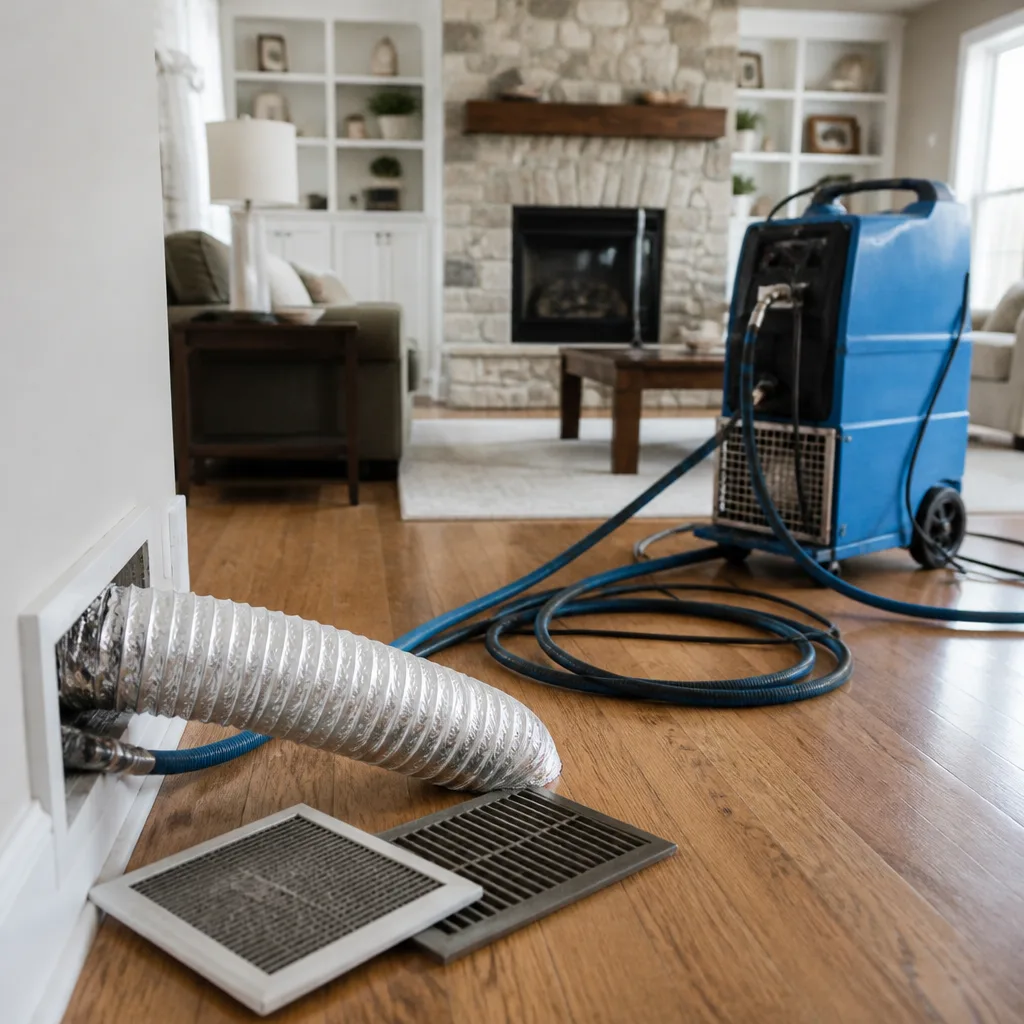
 Whole-home duct cleaning
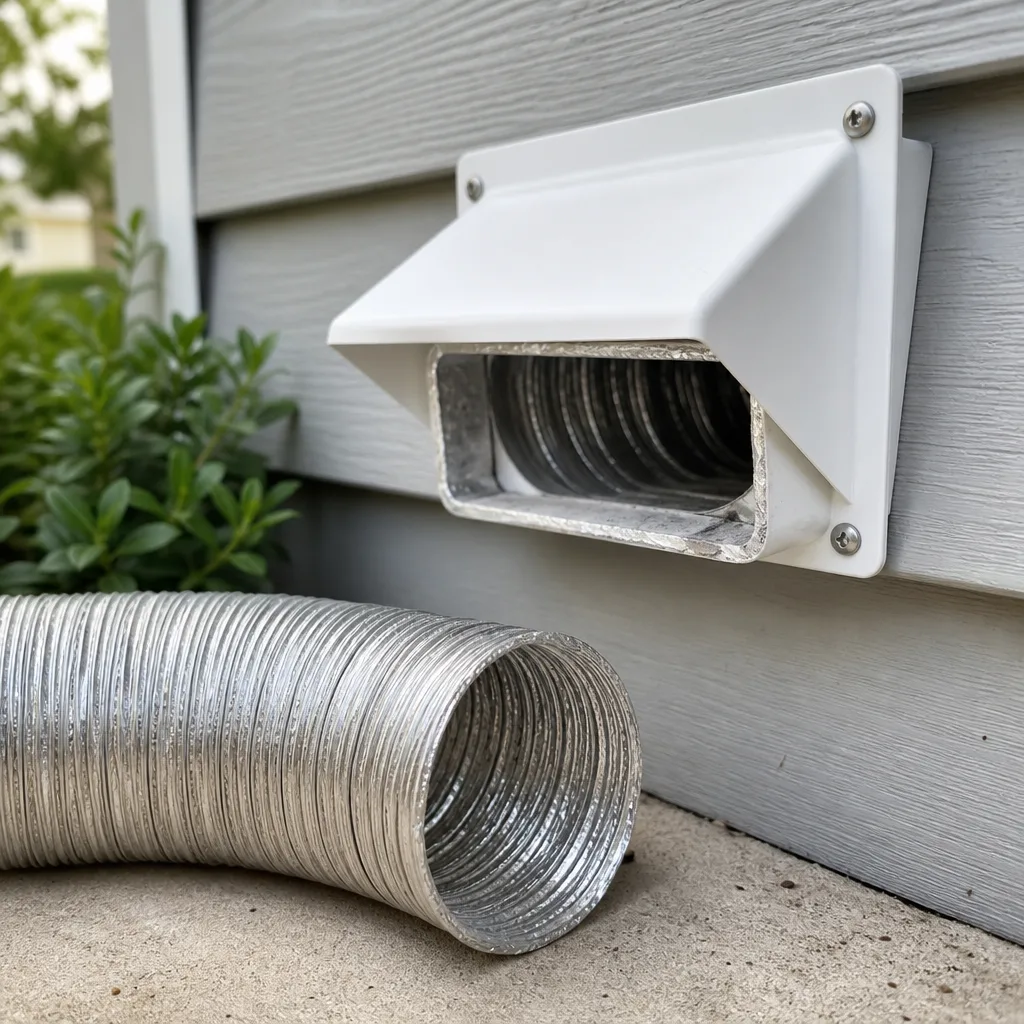 Dryer vent cleaning
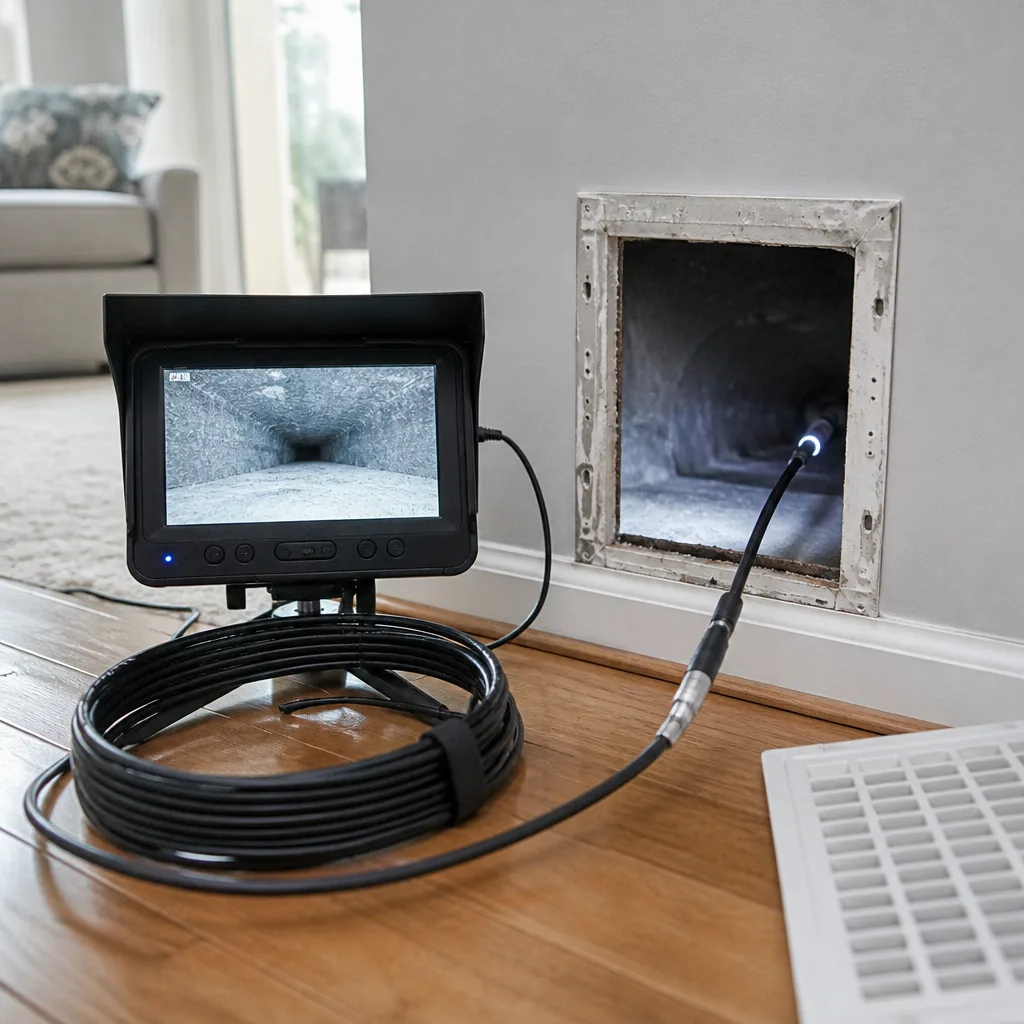 Camera inspection
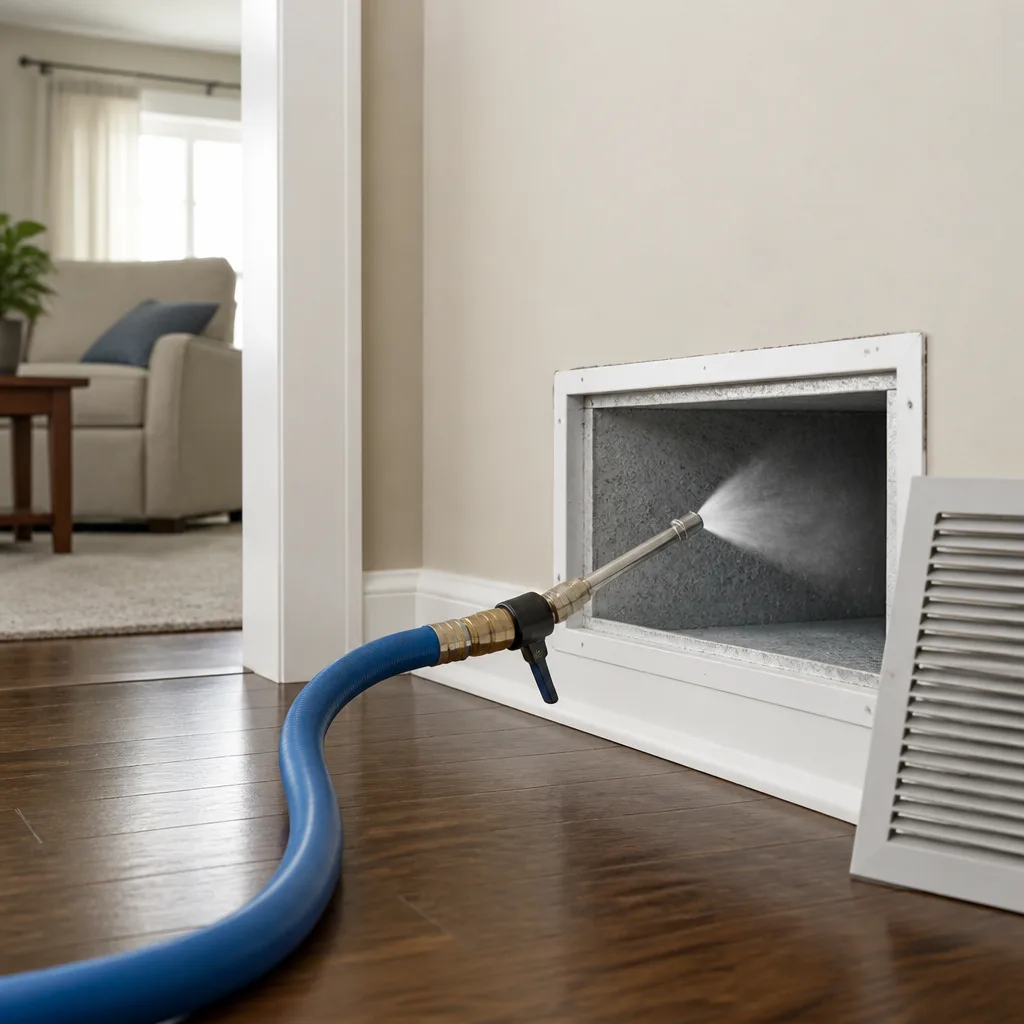 Sanitizing & deodorizing
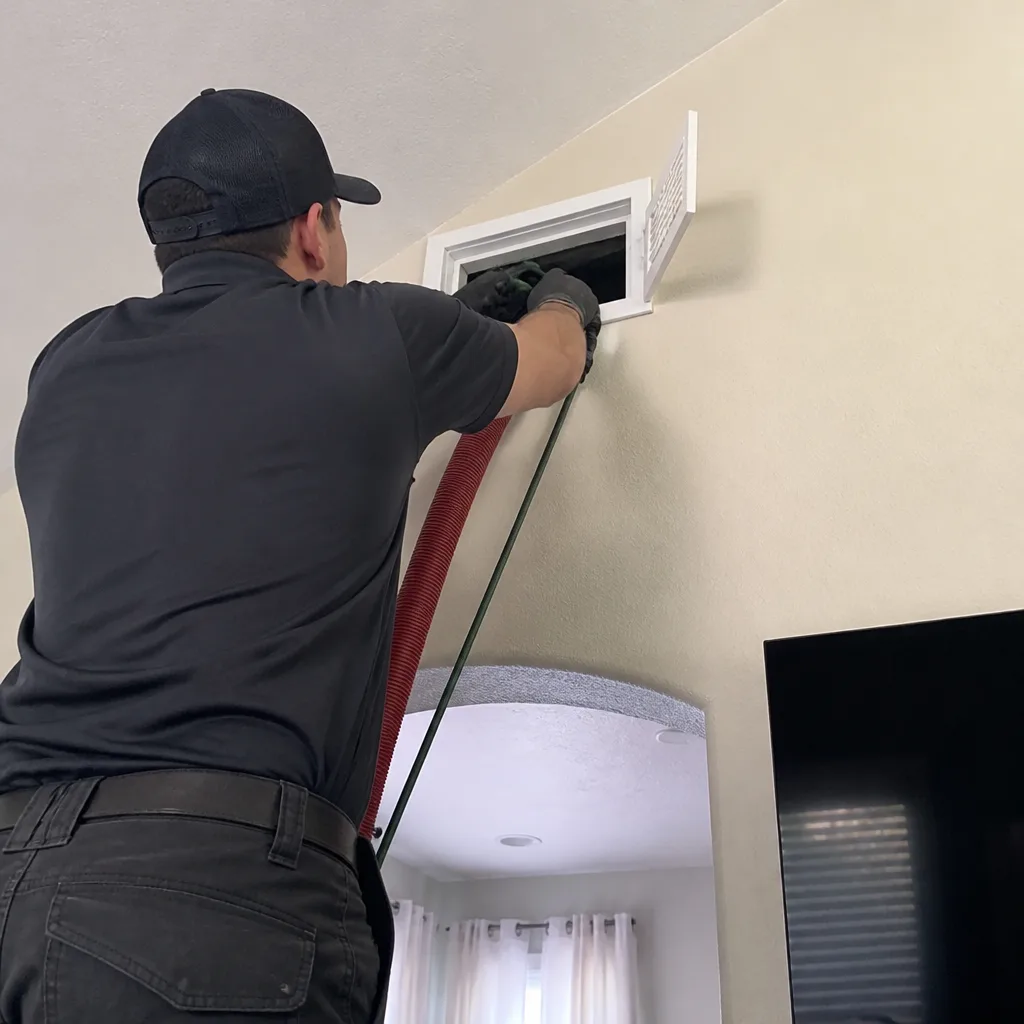
Whole-system duct and dryer vent check with before-and-after photos - you see exactly what came out of your vents
That "$99 whole-house special" is a bait ad - the real number appears once they are in your hallway, or the "clean" is a shop-vac at the register. We photograph the inside of your ducts before and after instead.
Abatement Technologies Duct Sealing & Repair: The Fort Worth Owner’s Guide
If you own an Abatement Technologies air purification or ventilation unit in Fort Worth and the duct sealing has failed, we stock the replacement parts and can usually complete the repair the same week. Installed duct sealing and repair on Abatement Technologies systems in Fort Worth typically runs $290 to $640 depending on the unit model and how much sealing material needs replacing. Most owners discover the problem the same way: higher utility bills, a whistling sound near the unit, or dust showing up on surfaces that used to stay clean.
We’re an independent service provider, not affiliated with Abatement Technologies, which means we give you straight answers about what actually needs replacing and what doesn’t. Roy Castellanos has inspected and repaired these systems across Fort Worth for the better part of two decades, and the failures we see follow predictable patterns. The sealing materials degrade, air leaks develop, and the unit starts working harder to move the same volume of air. That’s the point where repair costs less than the energy you’re losing.
Key Takeaways:
- Abatement Technologies duct sealing failures typically show up as whistling, dust, or higher cooling bills in Fort Worth’s summer heat.
- Installed repair ranges $290 to $640 on most residential units, written price before we start.
- We stock OEM-spec sealing kits and quality aftermarket equivalents on the truck.
- Every repair is covered by the 365-Day Done Right Promise in writing.
Which Abatement Technologies Models This Applies To
Abatement Technologies builds a few distinct product lines, and the sealing requirements differ between them. The most common units we service in Fort Worth homes are the HEPA-air purification series, (models like the HEPA-AIRE PAS and the PREDATOR series used in residential and light commercial settings), and the ShielD duct-mounted UV and filtration units. Each series uses different gasket and seal configurations, and a seal from a HEPA-AIRE won’t fit a ShielD unit correctly even when the dimensions look close at a glance.
The fastest way to identify your unit is the data plate on the back or side panel. It lists the model number, serial, and manufacturing date. If the plate is worn off or unreadable, measure the access panel opening and note whether the seal sits in a channel or sticks to a flat flange. That distinction matters because Abatement Technologies changed gasket profiles between production runs. The compatibility gotcha we see often: units built before 2012 used a round-profile neoprene seal, while later builds switched to a flatter closed-cell foam. Installing the older round seal in a newer channel causes the door to bow and leak. We match the seal to the production run, not just the model number.
On the OEM versus aftermarket question: for Abatement Technologies units, OEM sealing kits are well made and reasonably priced, so we typically recommend them. However, for HEPA-AIRE units that see heavy use in dusty Fort Worth conditions, a quality aftermarket closed-cell foam seal from a gasket supplier often outlasts the OEM neoprene by 18 to 24 months. We stock both and will tell you which one belongs on your unit based on how it’s used.
Styles & brands we work with
Signs Your Abatement Technologies Duct Sealing & Repair Is Failing
- A whistling or hissing sound near the unit’s access panels. Air is escaping through a degraded seal and the gap creates the same effect as blowing across a bottle top. The seal has compressed or cracked and is no longer holding.
- Dust accumulation around the unit’s seams and panel edges. When the seal fails on the outlet side, conditioned air carrying fine dust leaks out and deposits on nearby surfaces. You’ll see a fine gray film on the wall or floor around the unit.
- A cooling bill that climbs with no change in usage habits. Leaking duct seals mean the system runs longer to hit the same thermostat setting. In Fort Worth, where July and August push every system hard, a 15 to 20 percent jump is often a seal issue.
- The access panel feels loose or the latch closes without resistance. The sealing material has flattened to the point where the panel no longer compresses it. A properly seated seal should offer slight resistance in the last half-inch of closing.
- Condensation or moisture staining at a seam. On units that run in humid attics or garages, a failed seal lets warm, moist air contact cooler surfaces inside the unit. The water that collects is a sign the air barrier is gone.
On the other side, not every issue traces back to the seal. A rattling sound is usually loose hardware, not sealing. A burning smell points to electrical, not gasket material. We tell you which one it is before we sell you anything.
See the difference
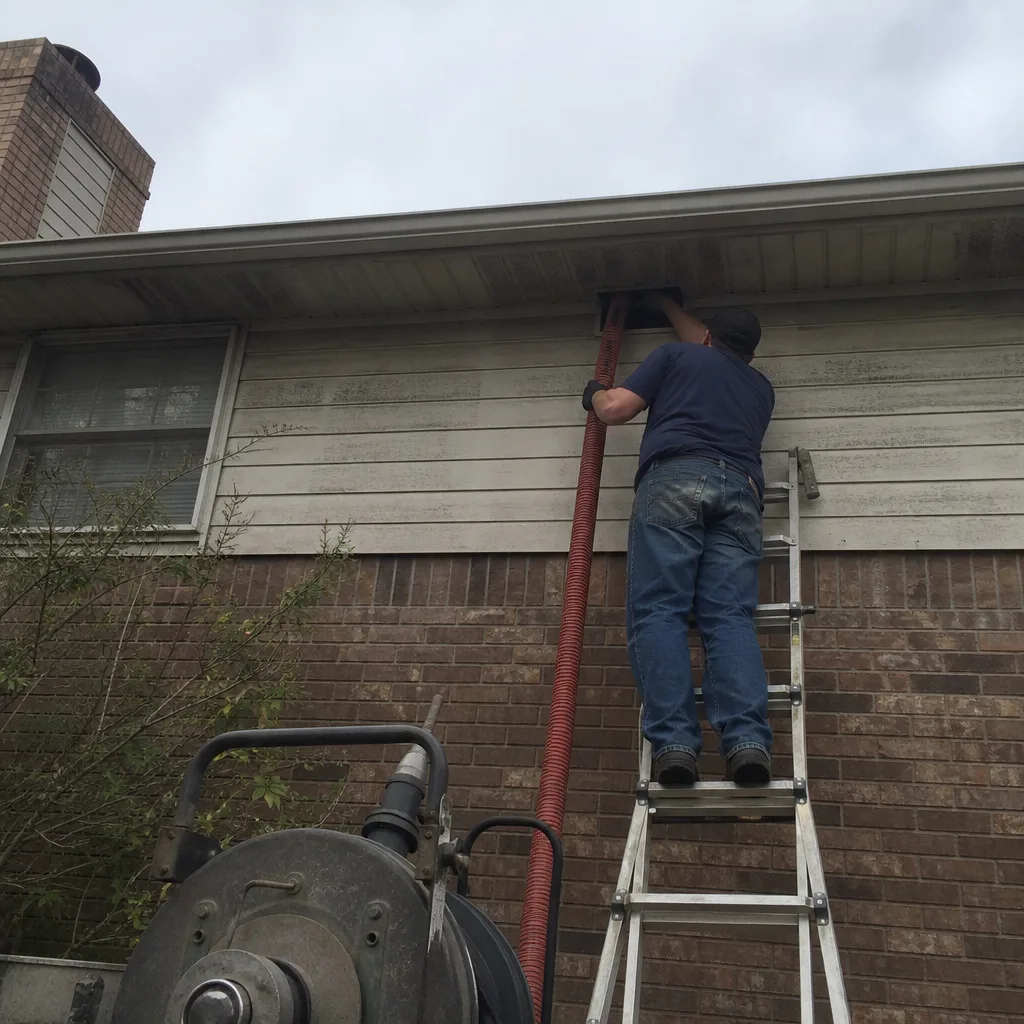 Before
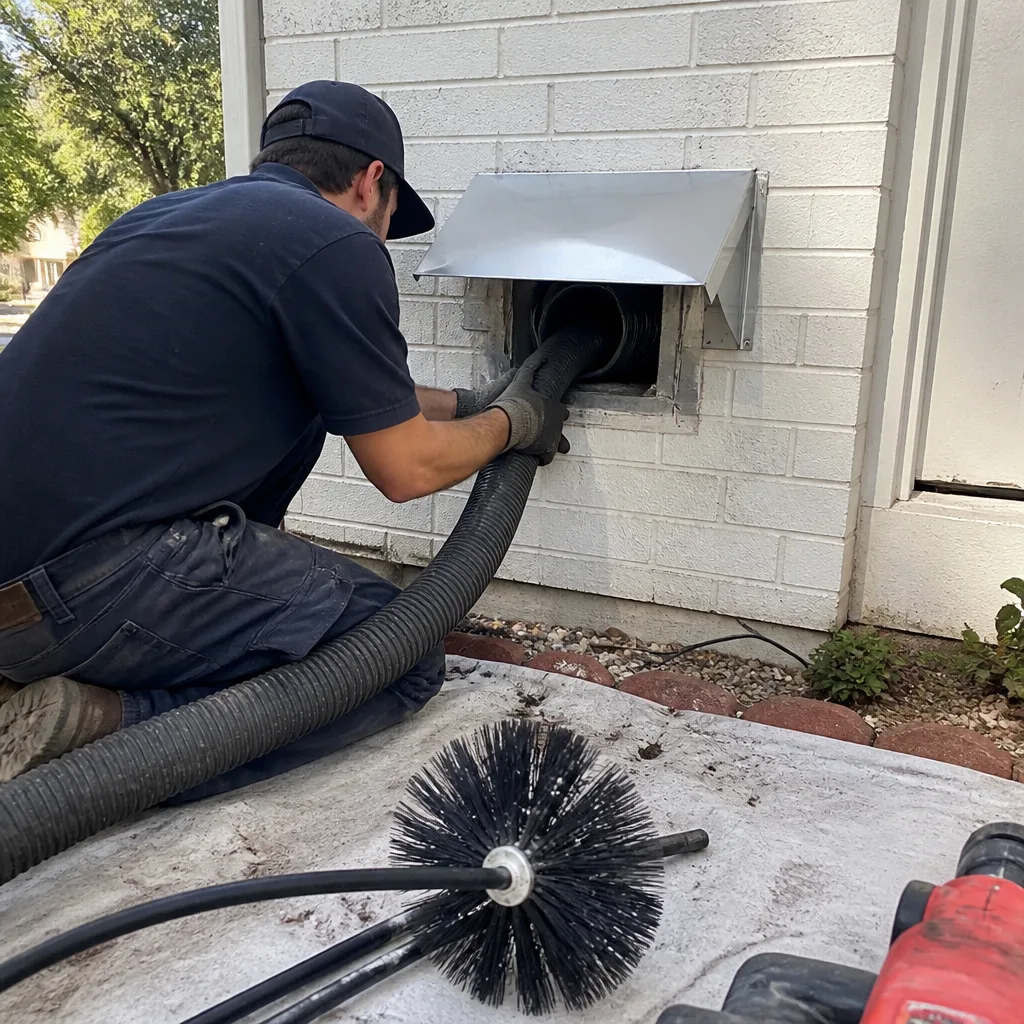 After
After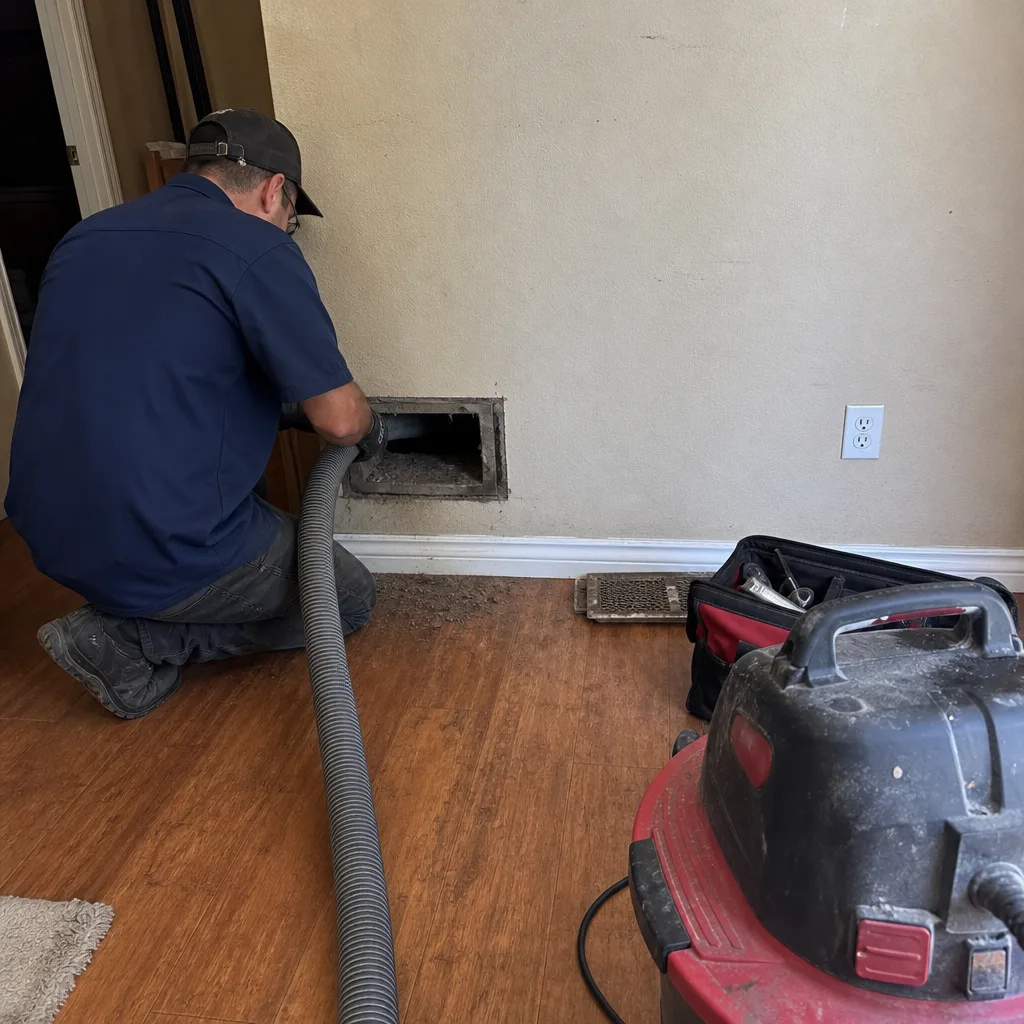 Before
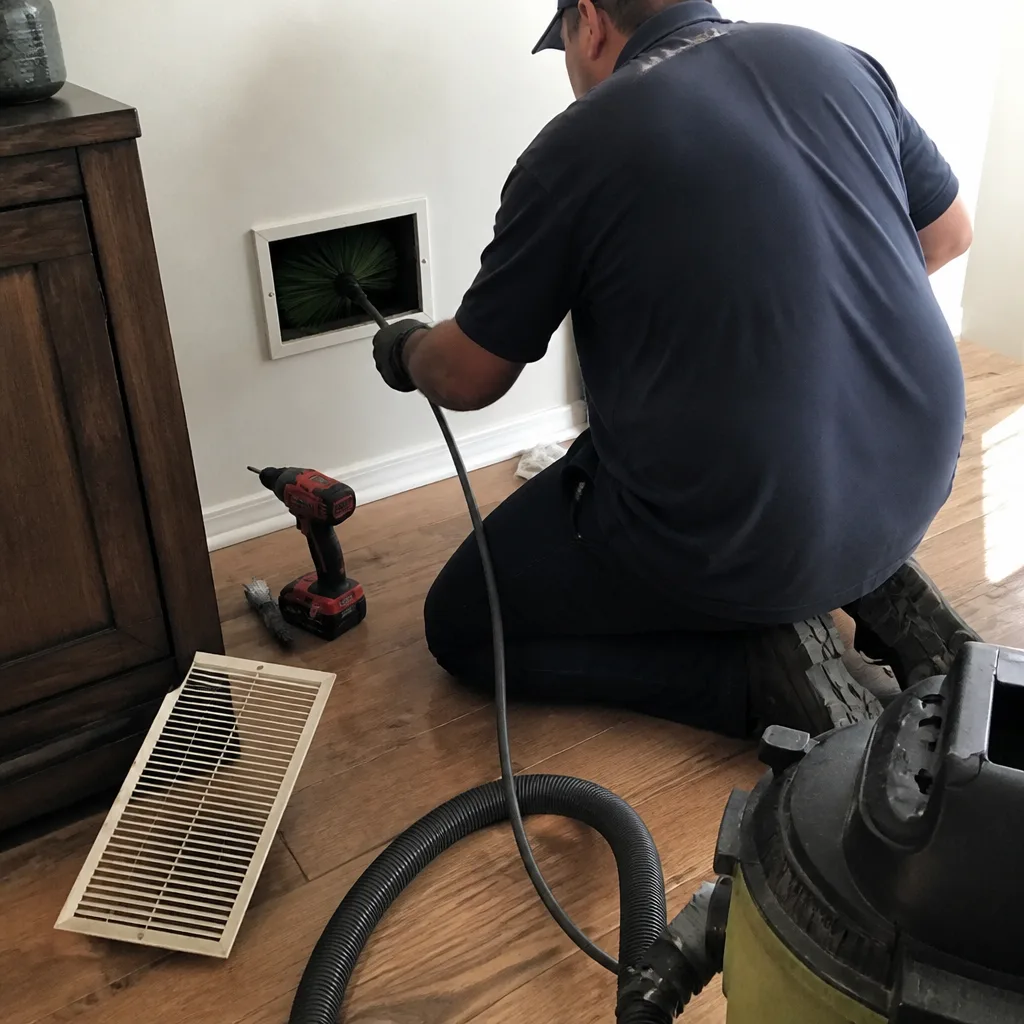 After
After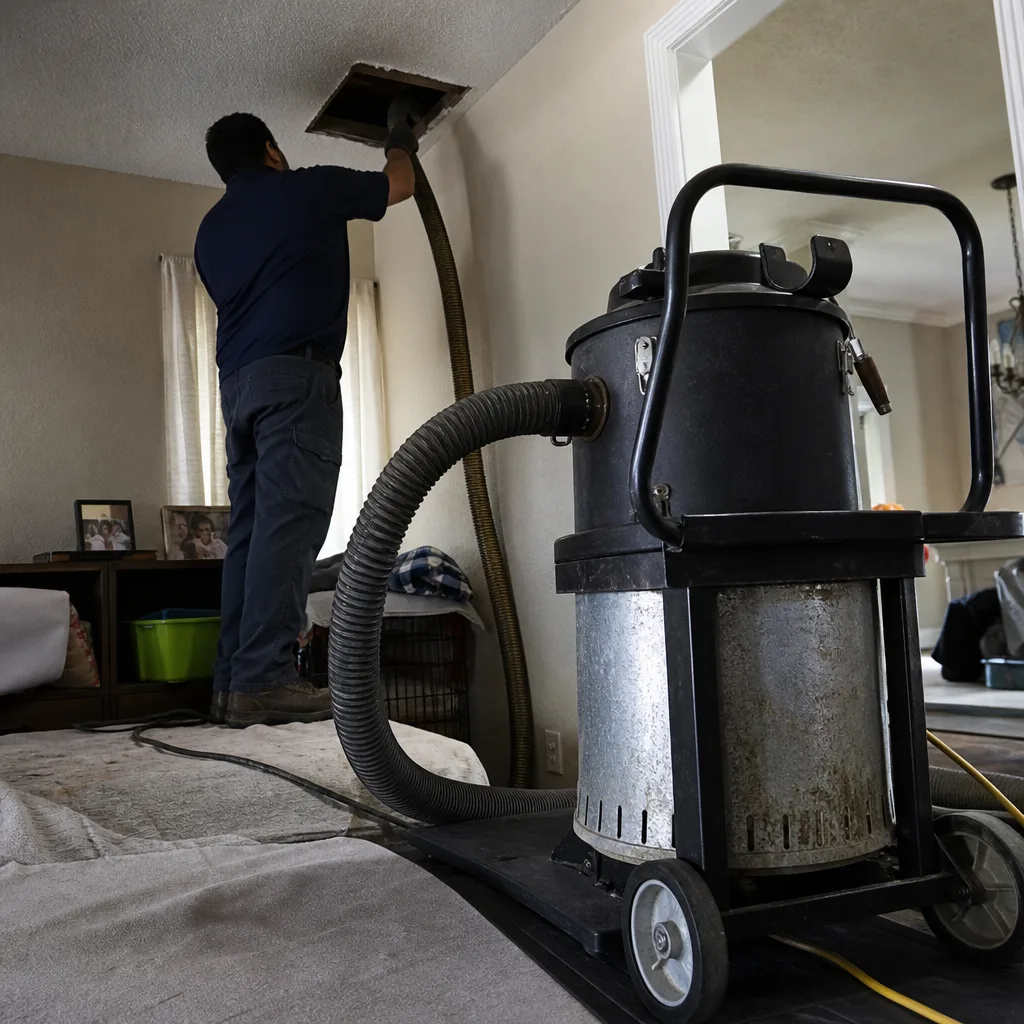 Before
 After
AfterReplacement Cost & What’s Included
For most Abatement Technologies residential units in Fort Worth, plan on $290 to $640 installed. The lower end covers a single access panel reseal with an aftermarket foam gasket. The higher end typically includes all panel seals replaced, OEM materials, and sealing of the duct collars where the unit connects to the main duct run. Units that need the internal filter frame resealed land in the top third of that range.
Here’s the line-item breakdown on a typical HEPA-AIRE PAS reseal in Fort Worth:
- Replacement seal material (OEM or equivalent): $40 to $95 depending on the panel count and profile
- Surface prep and old gasket removal: $60 to $110
- Labor for panel reseal and duct collar resealing: $140 to $280
- Duct sealing mastic and mesh tape where needed: $30 to $90
- Post-repair airflow check and leak test: included
The price is written down before we touch the unit. It does not move at the door. Every repair carries the 365-Day Done Right Promise: if the seal fails within a year, we come back and make it right at no charge, including a free second visit. That’s the Garrison Standard, and it applies to every job we do in Fort Worth.
DIY or Call Us?
There are two checks an owner can safely do. First, look at the seal: if it’s cracked, flattened, or pulling away from the channel, it needs replacing. Second, close the access panel on a dollar bill: if the bill slides out easily, the seal has lost its compression. Those two checks tell you most of what you need to know.
What we don’t recommend is cutting and fitting your own gasket material. The profiles Abatement Technologies uses are specific, and a seal that’s slightly too thick prevents the panel from latching, while one that’s too thin leaks from day one. The duct collar work is also not a beginner job: if the collar isn’t properly sealed with mastic and mesh tape, you’ve traded one leak for another. This work is not dangerous in the way a garage door spring is, but a botched repair costs more to fix than doing it right the first time. If the unit is running, call (682) 255-2572 and we’ll give you a written price before any work begins.
Clean ducts don’t advertise themselves – but dirty ones will. Same goes for a leaking seal on a unit that’s supposed to be cleaning your air.
FAQs
In our experience across Fort Worth, most Abatement Technologies duct seals last 5 to 8 years before they lose enough compression to leak. Attic installations in Texas heat often fall on the shorter end because sustained temperatures above 130 degrees accelerate the breakdown of neoprene and foam materials. If your unit is in a garage or conditioned closet, you’ll likely get the full lifespan. Call (682) 255-2572 and we’ll tell you where your unit stands.
For small gaps or minor compression loss, we can sometimes apply a compatible sealant to extend the life of an existing gasket by a year or so. But if the material is cracked, brittle, or flattened, patching is a temporary fix that costs you more in the long run than replacing it now. We’ll show you exactly what we’re seeing before recommending either path.
Most residential reseal jobs take 2 to 3 hours on site, including old gasket removal, surface prep, and leak testing. Units with multiple failed panels or corroded surfaces can run 4 hours. We’ll give you a time window when you book, and we arrive inside it.
Yes. We keep the most common Abatement Technologies gasket profiles, OEM sealing kits, mastic, and mesh tape on the truck for Fort Worth service calls. We also stock parts for Lennox, Trane, and Carrier systems. If your unit needs a specialized seal we don’t have on board, we’ll have it within two business days and schedule around that.
If you’re seeing dust around your Abatement Technologies unit or hearing air where air shouldn’t be, call (682) 255-2572. Roy Castellanos and the Hollis Air Duct Fort Worth crew will give you an honest assessment, a written price, and a repair that holds up to a Texas summer. Free estimates, background-checked technicians, and the 365-Day Done Right Promise on every job.
Written by Roy Castellanos, Owner, Hollis Air Duct Fort Worth at Hollis Air Duct Fort Worth, serving Fort Worth and nearby areas.