
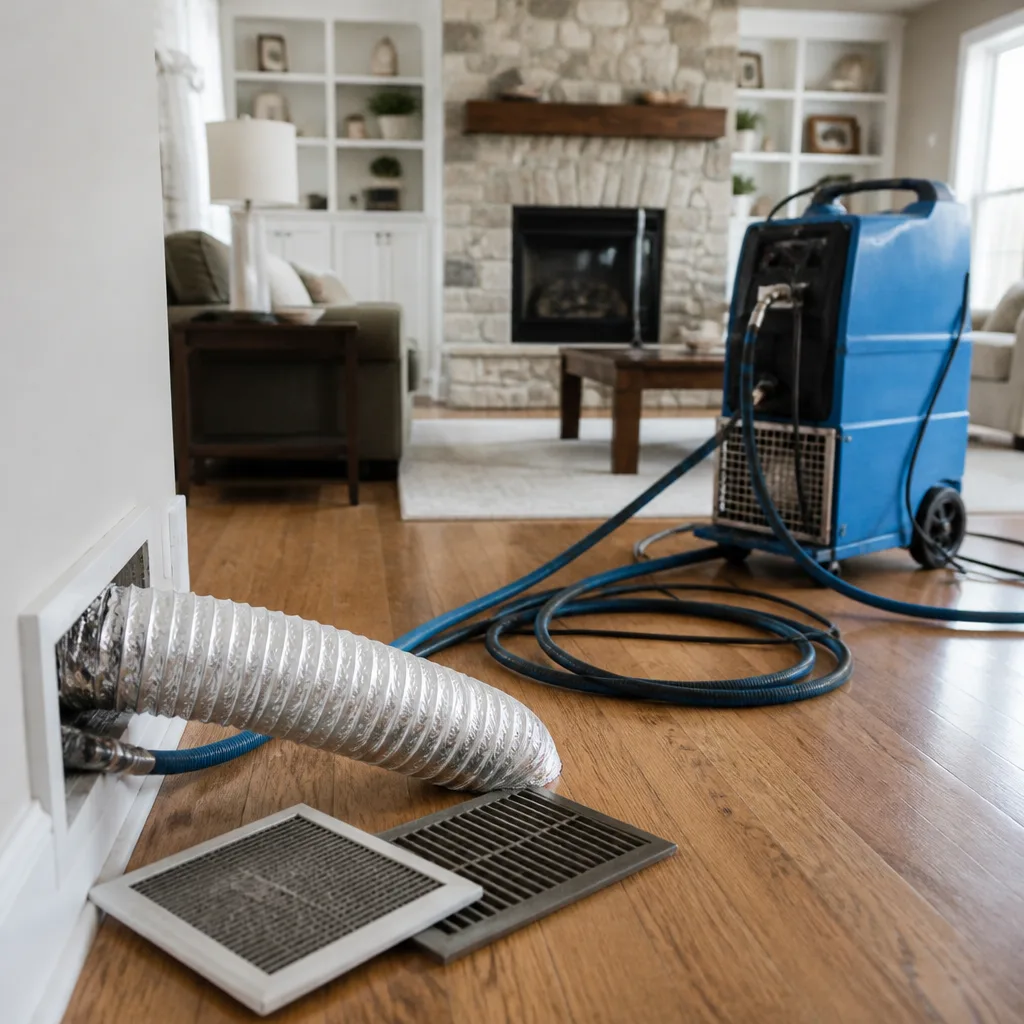
 Whole-home duct cleaning
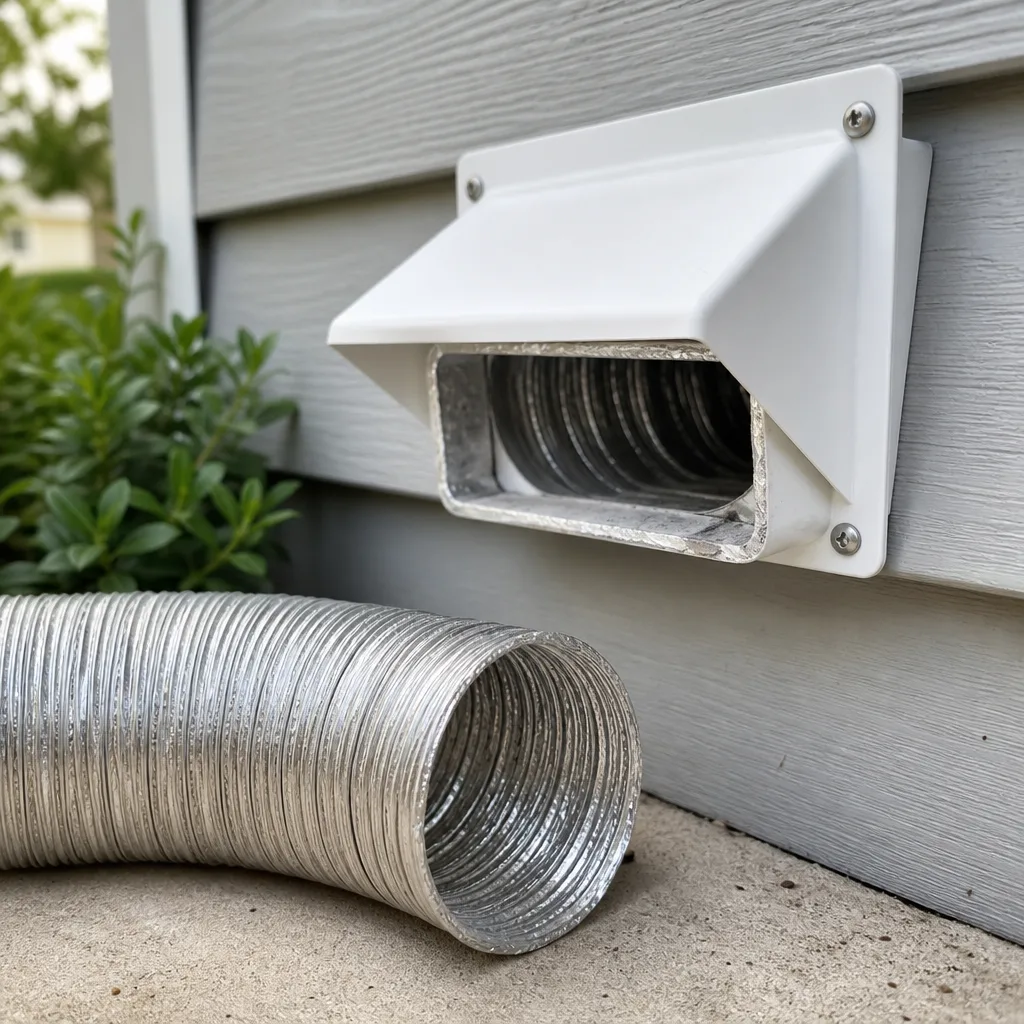 Dryer vent cleaning
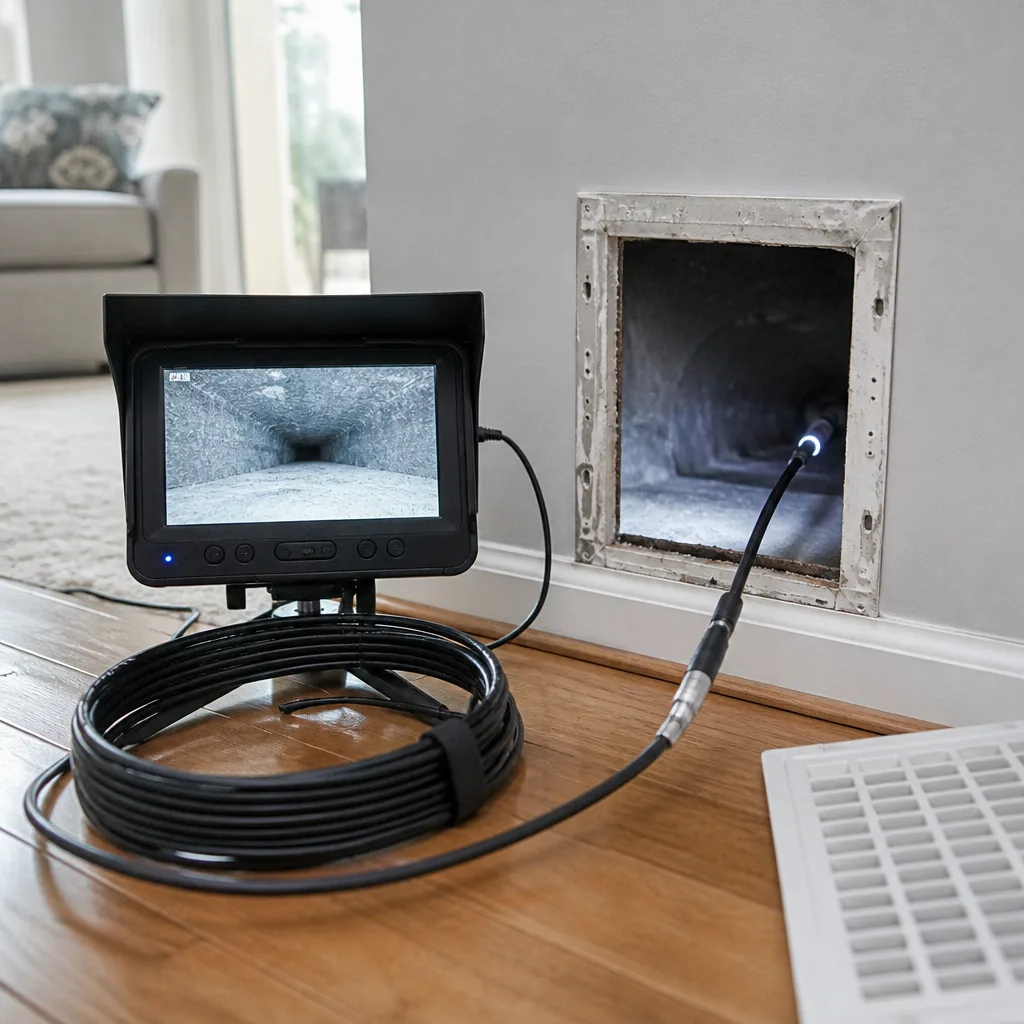 Camera inspection
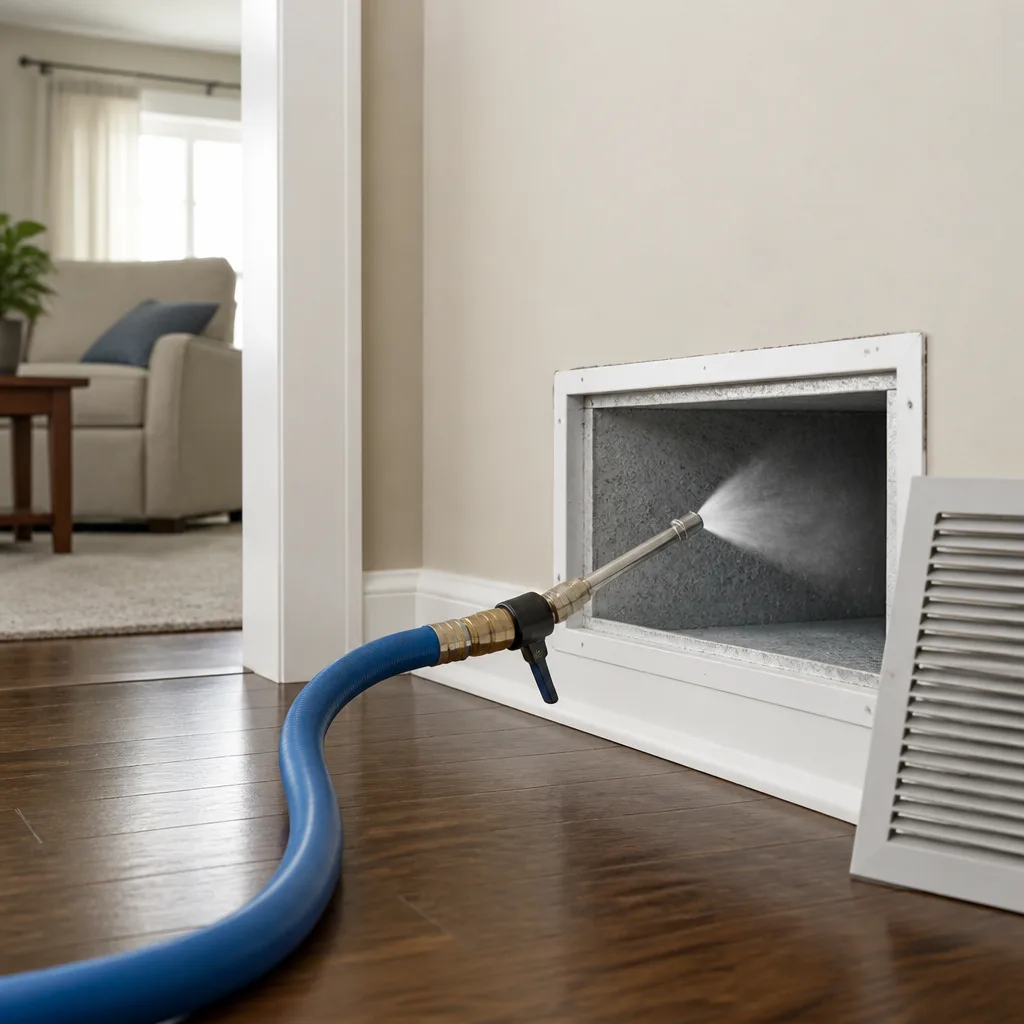 Sanitizing & deodorizing
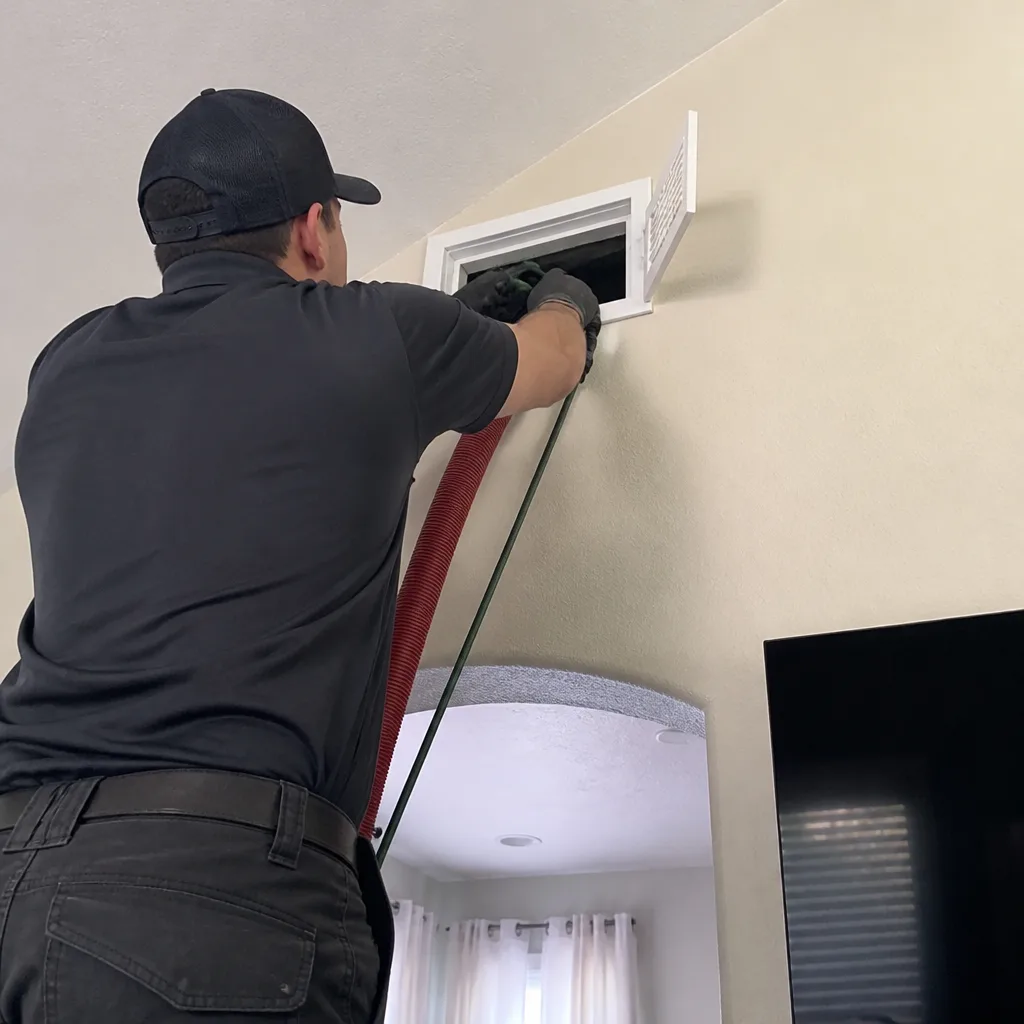
Whole-system duct and dryer vent check with before-and-after photos - you see exactly what came out of your vents
That "$99 whole-house special" is a bait ad - the real number appears once they are in your hallway, or the "clean" is a shop-vac at the register. We photograph the inside of your ducts before and after instead.
Abatement Technologies Vent Sanitizing: The Fort Worth Owner’s Guide
If your Abatement Technologies vent sanitizing system has stopped working, we stock compatible replacement parts and can typically install them for $275 to $475, depending on your model and what failed. Most Fort Worth homeowners discover the problem the same way: the indicator light stops coming on, or the system runs but you no longer smell that faint post-sanitization freshness when the HVAC kicks on. We’ll walk you through how to identify what you have, what it costs to fix, and whether it’s a job you should attempt yourself.
Before we go further: Hollis Air Duct Fort Worth is an independent service provider. We’re not affiliated with Abatement Technologies, but we work with their equipment regularly and keep compatible parts on our trucks because we know how many homes in Fort Worth still run these systems. Roy Castellanos has been inside enough Fort Worth attics to know exactly which Abatement Technologies units hold up and which ones fail first.
Which Abatement Technologies Models This Applies To
Abatement Technologies vent sanitizing systems generally fall into two categories: UV-C lamp units mounted in the supply plenum or ductwork, and photocatalytic oxidation units that use a UV lamp paired with a titanium dioxide coated cell. The most common units we see in Fort Worth homes are the in-duct UV models, which Abatement Technologies has sold under a few different series names over the years. The part that matters most is the UV lamp itself, and getting the right one means matching three things: lamp length, wattage, and the connector style on your ballast.
Here’s the compatibility gotcha we run into all the time: Abatement Technologies changed their ballast connector design at least once, so a lamp that fits a unit from 2012 won’t necessarily plug into a unit from 2018, even if the wattage is identical. The lamp model number is printed on the ceramic end cap of the bulb itself. Write that down before you order anything, or snap a photo and send it to us. We’ll match it. If your existing lamp is burned out and you can’t read the number, we can identify the unit by the model plate on the ballast housing and cross-reference it against the factory lamp specs.
On OEM versus aftermarket: genuine Abatement Technologies lamps typically run $85 to $140 each and carry a one-year factory rating. There are quality aftermarket lamps out there for $40 to $70 that meet the same UV-C output specs, but a cheap lamp with mismatched wavelength output is the single biggest reason people replace a “new” lamp and still don’t get the sanitizing performance they expected. We stock both options on the truck whenever we can and give you the choice in writing before we do anything. The decision is yours, and we’ll explain the trade-off in plain terms.
Styles & brands we work with
Signs Your Abatement Technologies Vent Sanitizing Is Failing
- The indicator light is dark. Most Abatement Technologies units have a small LED or sight window on the ballast housing. If it’s not lit, the lamp is either burned out or the ballast has failed. If the ballast hums but the lamp doesn’t glow, it’s the lamp. If there’s no hum and no light, it’s usually the ballast, which runs $110 to $190 in Fort Worth depending on the series.
- You notice musty or stale air returns within weeks of a cleaning. Abatement Technologies units are designed to run constantly to suppress microbial growth on the coil and in the plenum. When the lamp output drops below the effective UV-C range, that protection goes away quietly, and the first thing Fort Worth homeowners notice is that “old house” smell creeping back during humid months.
- The lamp has visible darkening or grayed ends. A UV-C lamp near the end of its service life shows dark bands at the ends of the glass tube. That’s the mercury amalgam becoming depleted, and it means the lamp is producing a fraction of its rated output even if it still glows visibly.
- The coil looks wetter than usual or shows early signs of dark spotting. On systems where we clean the coil, an aging sanitizing unit becomes obvious: the coil stays damp longer, and microbial spotting starts to build in the corners of the coil fins. A functioning Abatement Technologies unit slows that growth significantly.
- You hear a faint buzzing but see no light. That buzz is the ballast trying to strike an arc across a spent lamp. It’s a sign the lamp is gone, and continuing to run the unit this way stresses the ballast and shortens its life, which turns a $60 to $100 lamp replacement into a $200 ballast replacement.
See the difference
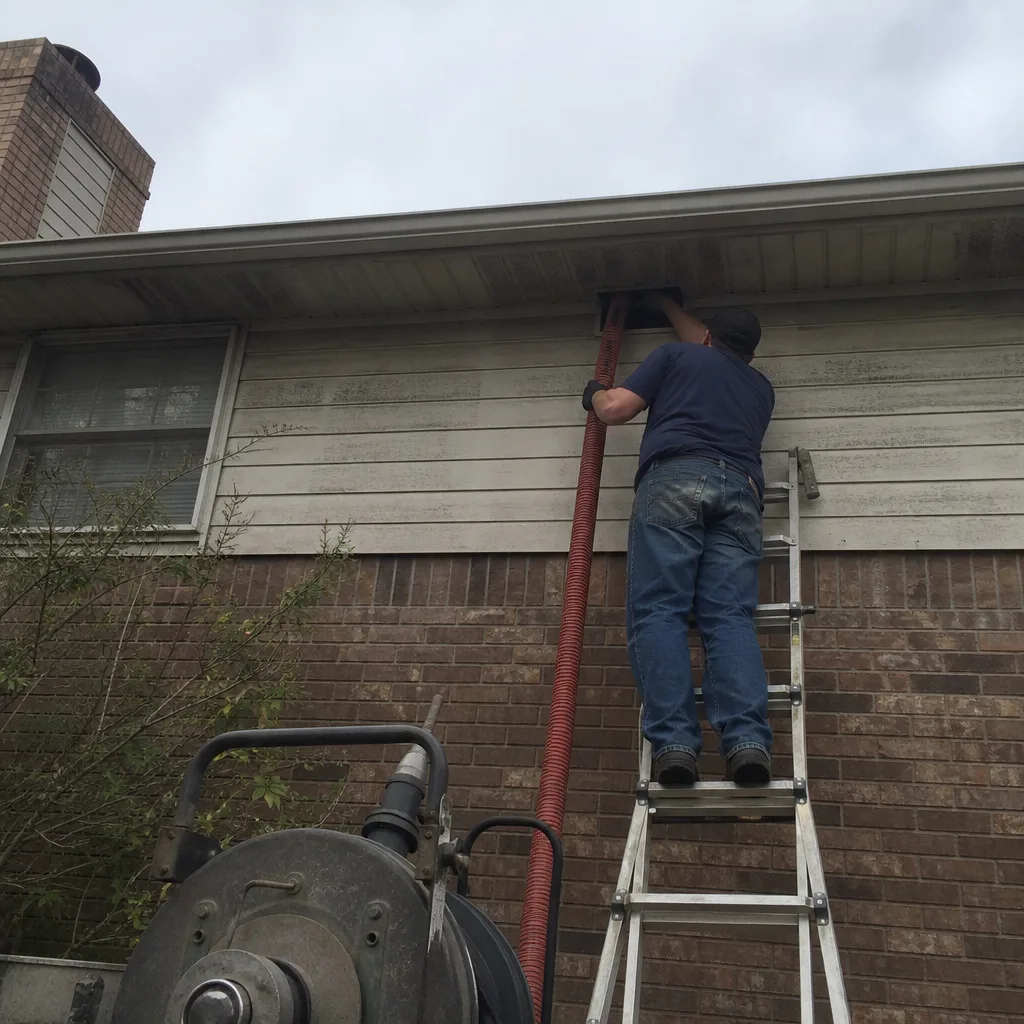 Before
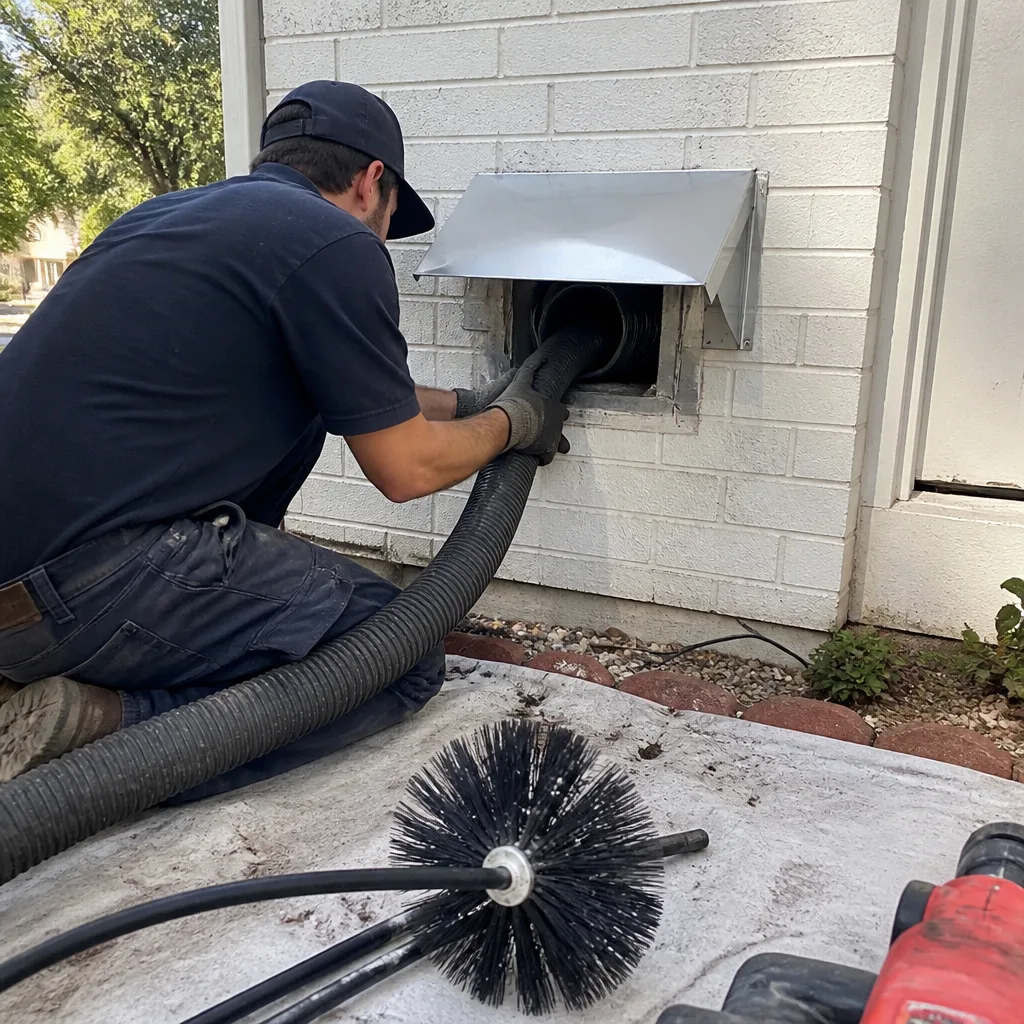 After
After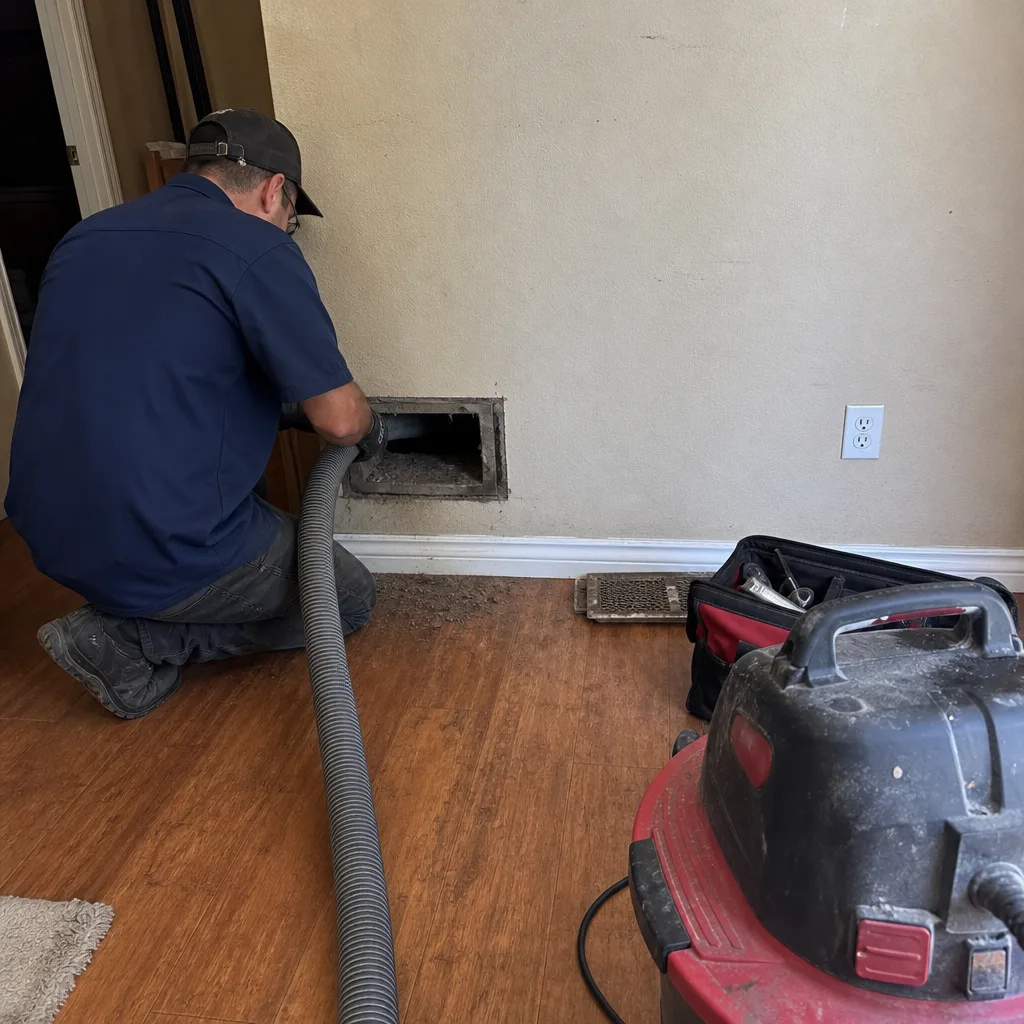 Before
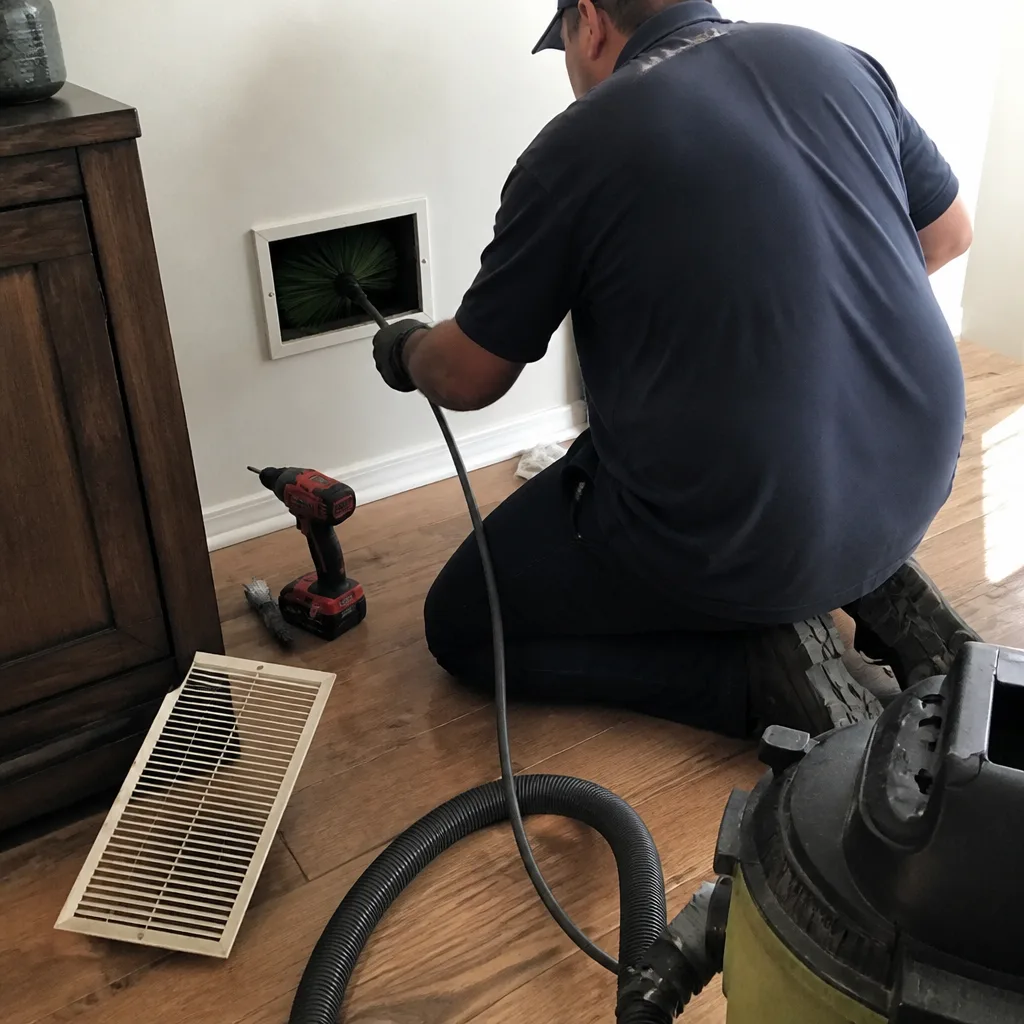 After
After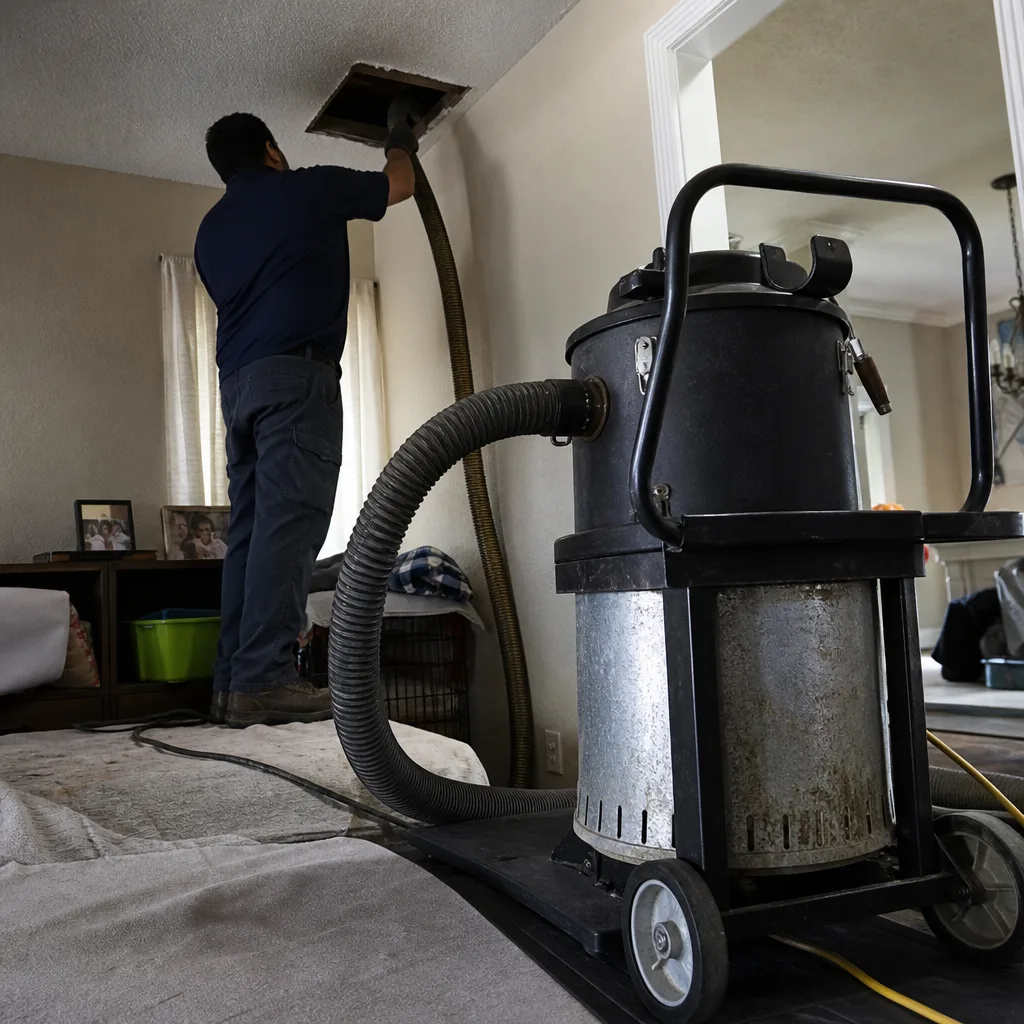 Before
 After
AfterReplacement Cost & What’s Included
In Fort Worth, you should expect to pay between $275 and $475 for a complete Abatement Technologies vent sanitizing repair, parts and labor included. On the low end of that range, you’re looking at a single lamp replacement on a standard in-duct UV unit with the lamp we carry on the truck. On the high end, you’re talking about a ballast plus lamp, possibly on an older unit that requires a different connector and takes us longer to confirm compatibility. The parts themselves are only half the bill. The labor includes killing power to the unit, accessing it in the plenum or duct, confirming the new lamp actually strikes and produces UV-C output, and sealing everything back so you don’t create a new air leak in the process. We test the unit before we pack up and show you the lamp glowing through the sight port so you know the work was done.
Every Abatement Technologies vent sanitizing repair we complete in Fort Worth gets a written price before we start, and it’s covered by our 365-Day Done Right Promise. If that lamp or ballast fails within a year, we come back and replace it at no charge. That’s not a pro-rated warranty. It’s a we-make-it-right warranty, in writing, on every ticket.
DIY or Call Us?
Some parts of this job are safe to check yourself, and we’ll tell you exactly what they are. You can check the sight window or indicator light on the ballast housing with no tools and no risk. You can photograph the model number on the ballast and the lamp end cap so we can quote you accurately over the phone. You can verify that the unit is actually getting power by confirming the switch or breaker feeding it is on. That’s all useful, and doing it before you call saves us a trip.
Here’s where DIY goes wrong: these lamps run on high voltage, and the ballast can hold a charge even after you’ve cut power at the switch. Opening the housing without discharging the ballast is not like changing a light bulb in your ceiling. It can genuinely hurt you. On top of that, a UV-C lamp runs on wavelength output that can damage your eyes and skin if you power it up outside the duct with the housing open. If you do the work yourself and the lamp doesn’t strike, you won’t know whether you installed a bad lamp, damaged the connections, or shorted the ballast. We see more botched DIY attempts on UV systems than any other single piece of HVAC gear, and the repair always costs more after someone has been inside the housing. If you’re not certain, call us at (682) 255-2572. We’ll sort it out the same day in most cases.
FAQs
A genuine Abatement Technologies UV-C lamp is rated for roughly 9,000 to 12,000 hours of continuous operation, which works out to 12 to 16 months of run time in a typical Fort Worth home where the HVAC runs year-round for cooling. Here’s the catch most people don’t know: UV-C output degrades steadily over that lifespan, so a lamp at 14 months may still glow visibly but produce only 60% of the sanitizing intensity it had on day one. We recommend replacing lamps annually on Fort Worth systems as a matter of course, not waiting for the light to go dark. Call (682) 255-2572 and we’ll check your unit’s hours and give you an honest read on what’s left in the lamp.
It depends on what failed. A spent lamp is a replacement, not a repair, and that’s the most common failure by far. A failed ballast can sometimes be replaced with a compatible aftermarket ballast that matches the factory voltage and connector, which usually costs less than a whole new unit. But if the unit’s housing is cracked, the quartz sleeve inside the plenum is broken, or the wiring has been compromised by heat or moisture in a Fort Worth attic, you’re often better off replacing the unit than sinking money into a patch job. We’ll tell you which one you’re looking at before any money changes hands.
Most Abatement Technologies vent sanitizing lamp or ballast replacements take us 45 to 90 minutes once we’re on site. The work itself is usually quick; what takes the time is accessing the unit in the plenum or ductwork, de-powering it safely, confirming the new part is compatible with the existing connector, and then testing the system to verify it’s actually producing UV-C output before we button everything up. You don’t need to be home the whole time, but you should be reachable in case we discover something unexpected when we get eyes on the unit.
We do. Our Fort Worth service trucks carry the most common Abatement Technologies lamp sizes and the ballasts that correspond to the units we see most in this market. That includes replacements for the older connector style that a lot of parts warehouses have stopped carrying, which is one reason Fort Worth homeowners end up calling us after striking out at supply houses. If your unit takes a lamp size we don’t have on board that day, we can usually have it by the next business morning. We also carry compatible parts for Lennox, Trane, and Carrier UV systems, so if you have a mixed system, we’re equipped either way.
Written by Roy Castellanos, Owner, Hollis Air Duct Fort Worth at Hollis Air Duct Fort Worth, serving Fort Worth and nearby areas.