
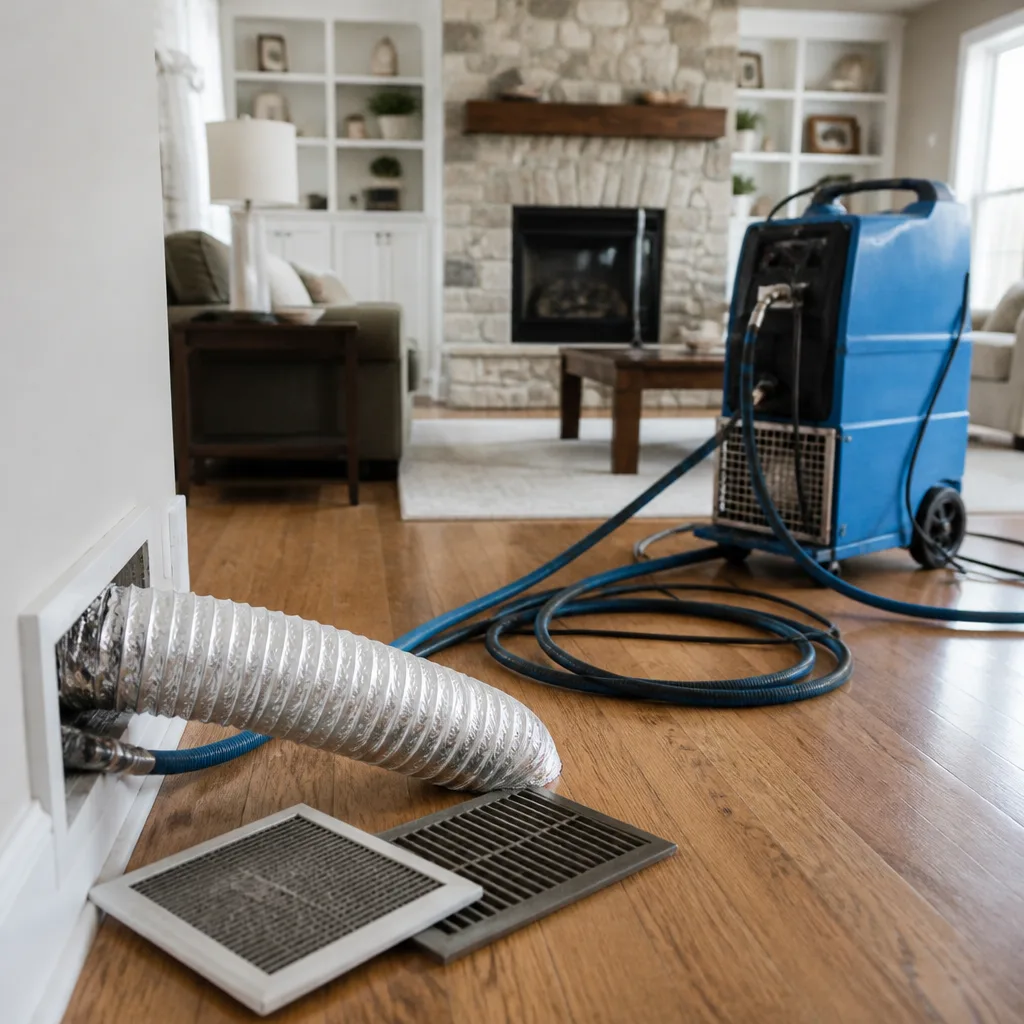
 Whole-home duct cleaning
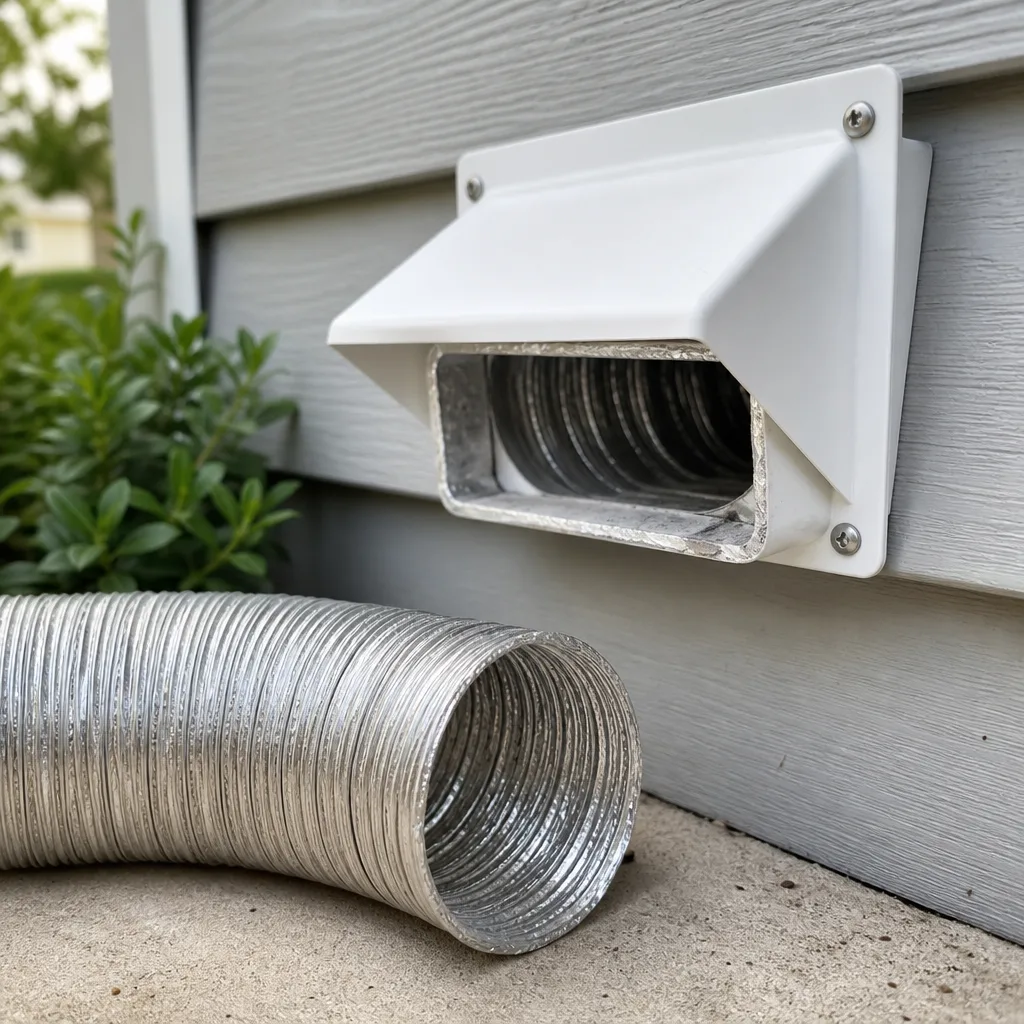 Dryer vent cleaning
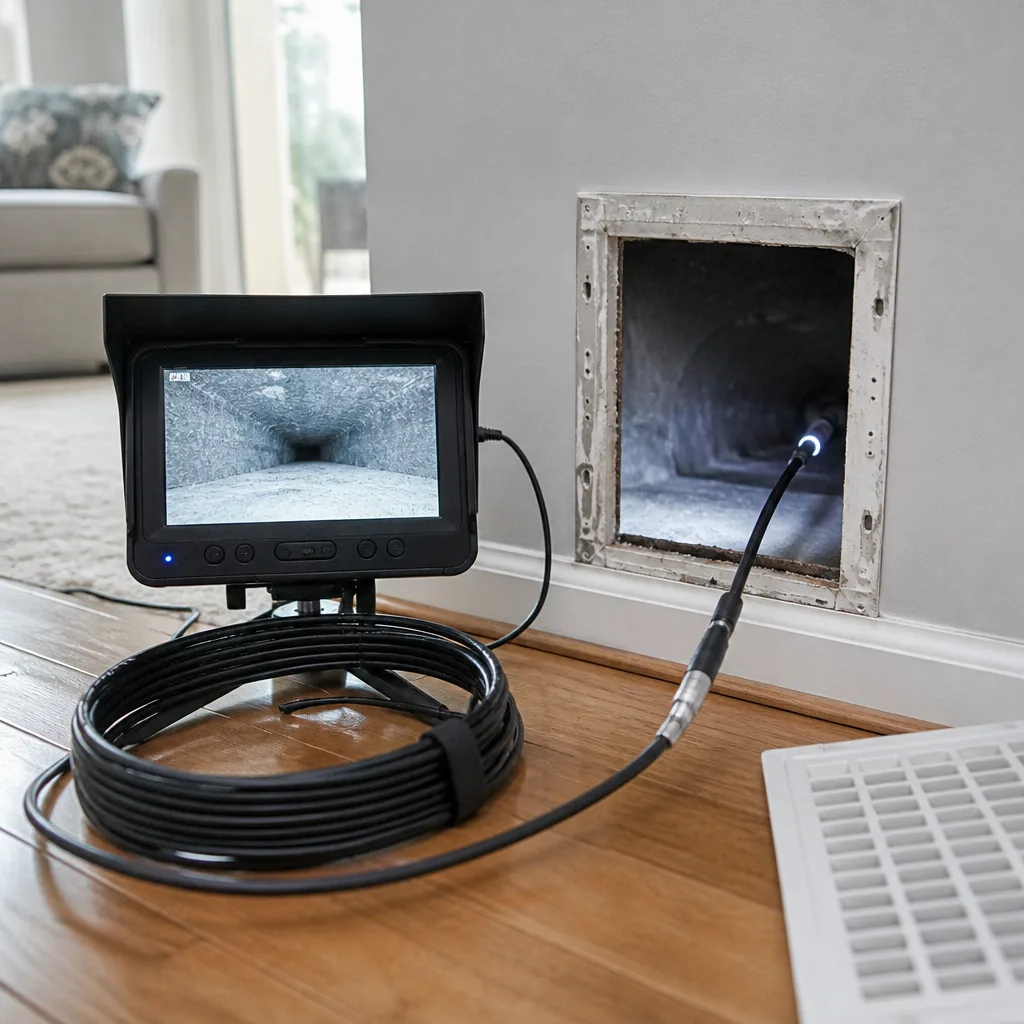 Camera inspection
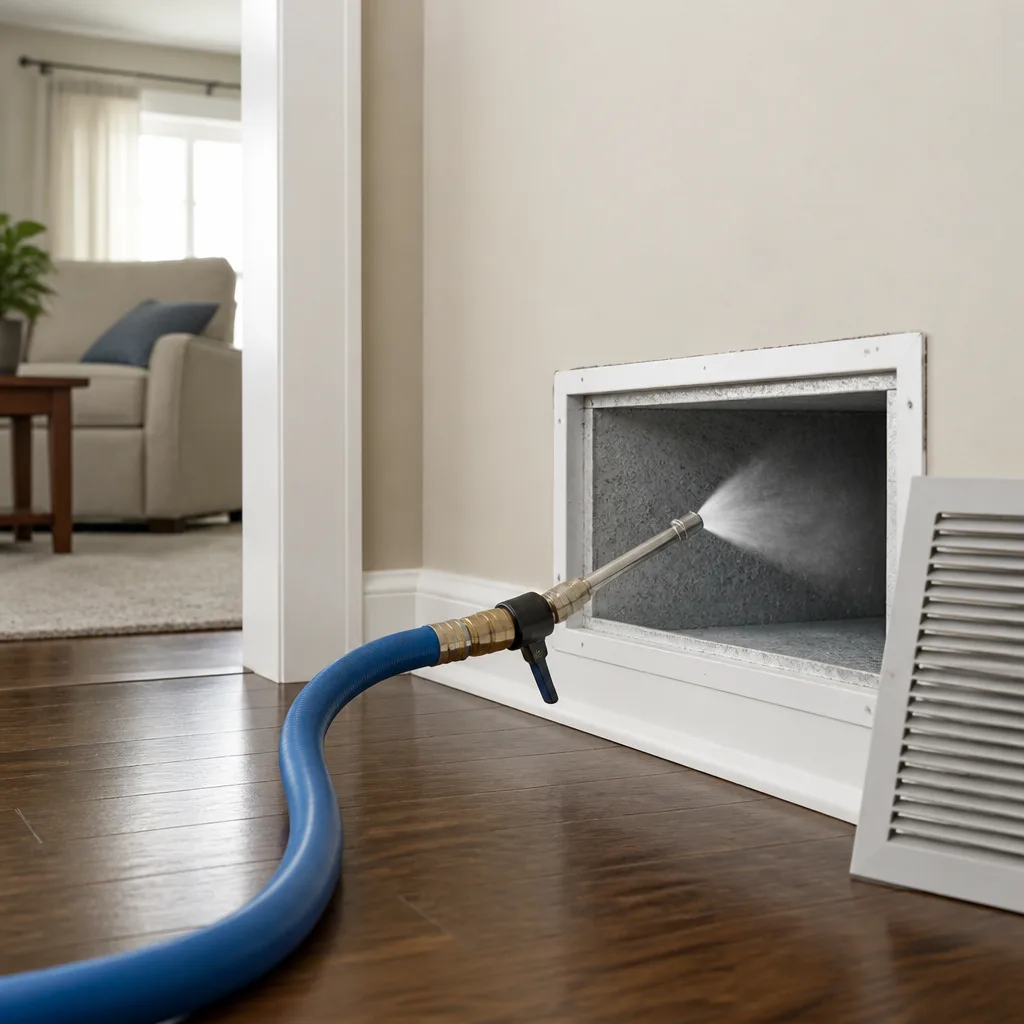 Sanitizing & deodorizing
Whole-system duct and dryer vent check with before-and-after photos - you see exactly what came out of your vents
That "$99 whole-house special" is a bait ad - the real number appears once they are in your hallway, or the "clean" is a shop-vac at the register. We photograph the inside of your ducts before and after instead.
Honeywell Duct Sealing & Repair: The Fort Worth Owner’s Guide
If you own a Honeywell whole-home air purification system, electronic air cleaner, or media cabinet and the ductwork around it is leaking, we stock and install the sealing and repair components to fix it. Typical installed pricing for Honeywell duct sealing and repair in Fort Worth runs $285 to $680 depending on access, how many seams have failed, and whether the leak is at the equipment collar or deeper in the trunk line. Most owners discover the problem the same way: higher energy bills, a whistling sound near the Honeywell cabinet, or dust collecting around the filter access door even though the filter was just changed.
We’re an independent service provider in Fort Worth, not affiliated with Honeywell, but we work with their equipment daily and carry the sealing materials matched to their cabinet dimensions. Roy Castellanos has looked at enough leaking Honeywell installations around Fort Worth to tell you the seal failure is rarely the equipment’s fault. It’s usually the connection between the cabinet and the duct, worked loose over years of vibration and Texas temperature swings.
Key Takeaways:
- Installed Honeywell duct sealing and repair in Fort Worth typically costs $285 to $680, written before work starts.
- We stock Honeywell-compatible sealing materials on the truck, so most jobs are completed in one visit.
- Every repair is covered by our 365-Day Done Right Promise in writing.
- Most failures are at the equipment collar or seam joints, not inside the Honeywell unit itself.
Which Honeywell Models This Applies To
The sealing and repair work we do covers the duct connections and cabinet interfaces for nearly every Honeywell residential air treatment product installed in Fort Worth homes. That includes the F300 electronic air cleaner, the F100 and F200 media air cleaner cabinets, the H Series media filters, TrueCLEAN UV systems, and the tower-style whole-home purifiers that sit beside the furnace. The common thread is the cabinet-to-duct connection: a rectangular or round opening where the Honeywell unit meets the return or supply plenum.
Identifying your exact part is straightforward once you know where to look. Open the Honeywell access door and find the data plate on the inside wall of the cabinet. It lists the model number (F300, F100, F200, etc.), the cabinet size in inches, and the airflow direction. That size matters more than the model number for sealing work. A 16×25 Honeywell cabinet needs a 16×25 sealing collar and gasket, regardless of whether it’s an electronic cell or media filter inside. If the data plate is faded or missing, measure the cabinet opening and the duct it connects to. Bring those numbers when you call us at (682) 255-2572 and we can tell you over the phone whether we have the right sealing kit on the truck.
One thing worth knowing about Honeywell specifically: their cabinet flanges use a folded sheet metal lip, not a flat flange. That means a generic peel-and-stick foil tape seal fails within a season or two. The correct repair uses a closed-cell gasket sized to that specific lip profile, plus a mastic-aluminum tape combination at the outer seam. We stock OEM Honeywell gaskets for the F100, F200, and F300 series, and we also carry a quality aftermarket equivalent from Guardsman that we’ve found holds up just as well in Fort Worth attics. For the F300 electronic air cleaner specifically, replacing the door gasket at the same time as the duct seal prevents a re-leak from the other side of the cabinet.
Styles & brands we work with
Signs Your Honeywell Duct Sealing & Repair Is Failing
- Dust rings around the Honeywell cabinet seams. This is the clearest sign of a duct-to-cabinet leak. Air escaping around a failed gasket pulls attic or closet dust with it, leaving a gray film or stain pattern around the seam lines. The filter inside may look clean while the area around it gets progressively dirtier.
- Whistling or hissing at the cabinet when the blower runs. Air forcing through a small gap makes noise. When you hear a high-pitched sound near the Honeywell unit that changes pitch as the blower ramps, you’re hearing a seal failure. It’s not the filter whistling; a properly seated Honeywell cabinet is quiet.
- Higher electric bills without a change in usage. A leaking return-side connection pulls unconditioned attic air into the system. That air comes in hot during a Fort Worth summer, which forces the AC to run longer to reach the same thermostat setting. Sealed return ductwork around the Honeywell cabinet is one of the first things we check when a homeowner mentions a bill that climbed for no obvious reason.
- The Honeywell cabinet door won’t sit flush. If the access door used to close easily and now needs pressure to latch, the cabinet may be slightly racked from thermal movement. A warped cabinet lip means the door gasket can’t do its job, and air slips out around the door edges even if the duct seal itself is intact.
- Attic insulation or fiberglass fragments near the Honeywell intake. This applies mostly to Fort Worth homes where the return plenum connects inside an unconditioned attic. A failed seal lets loose attic insulation get pulled into the airstream, and it collects at the first restriction, which is often the Honeywell media filter or electronic cell.
Replacement Cost & What’s Included
For a typical single-cabinet Honeywell system in Fort Worth, the work falls into three tiers. A basic gasket replacement at the cabinet-to-duct collar runs about $285 to $380, which covers the gasket, mastic, aluminum sealing tape, and the labor to remove the old seal, clean the mating surfaces, and reassemble with the new gasket. A full cabinet re-seal with door gasket replacement, collar inspection, and seam repair runs about $400 to $540. If the duct trunk has separated from the collar or multiple seams have opened up, $540 to $680 covers reconnecting and sealing the entire Honeywell-to-duct transition.
What drives the range in Fort Worth is access. Attic installations with a horizontal Honeywell cabinet cost less to reach than a tight closet install where the cabinet is butted against the wall. Return-side leaks are generally faster to repair than supply-side leaks because supply ducts hold positive pressure and require a cleaner seal to stop air loss. Every job gets one written price before any work begins. If we find additional problems once the seal is open, we show you before touching anything else. The parts are OEM Honeywell or Guardsman aftermarket equivalent, and we tell you which one we’re quoting and why.
See the difference
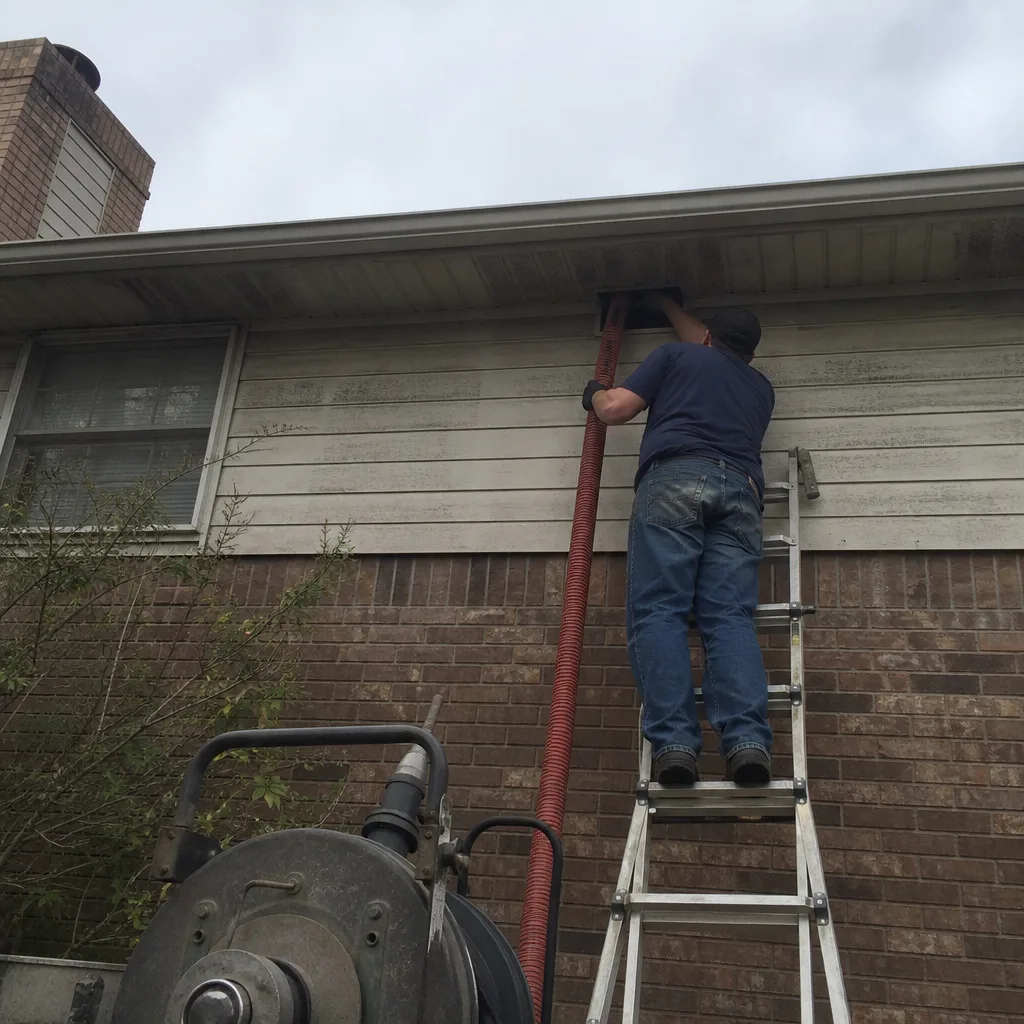 Before
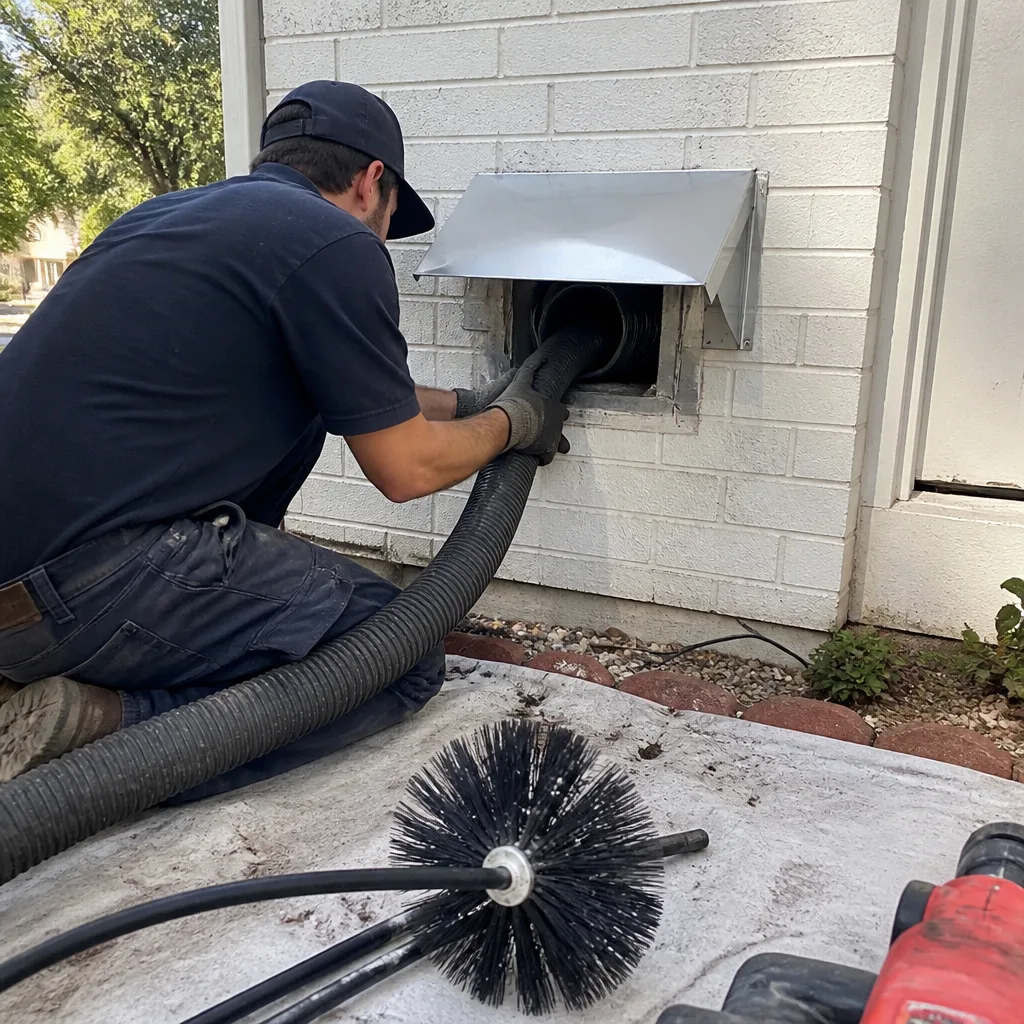 After
After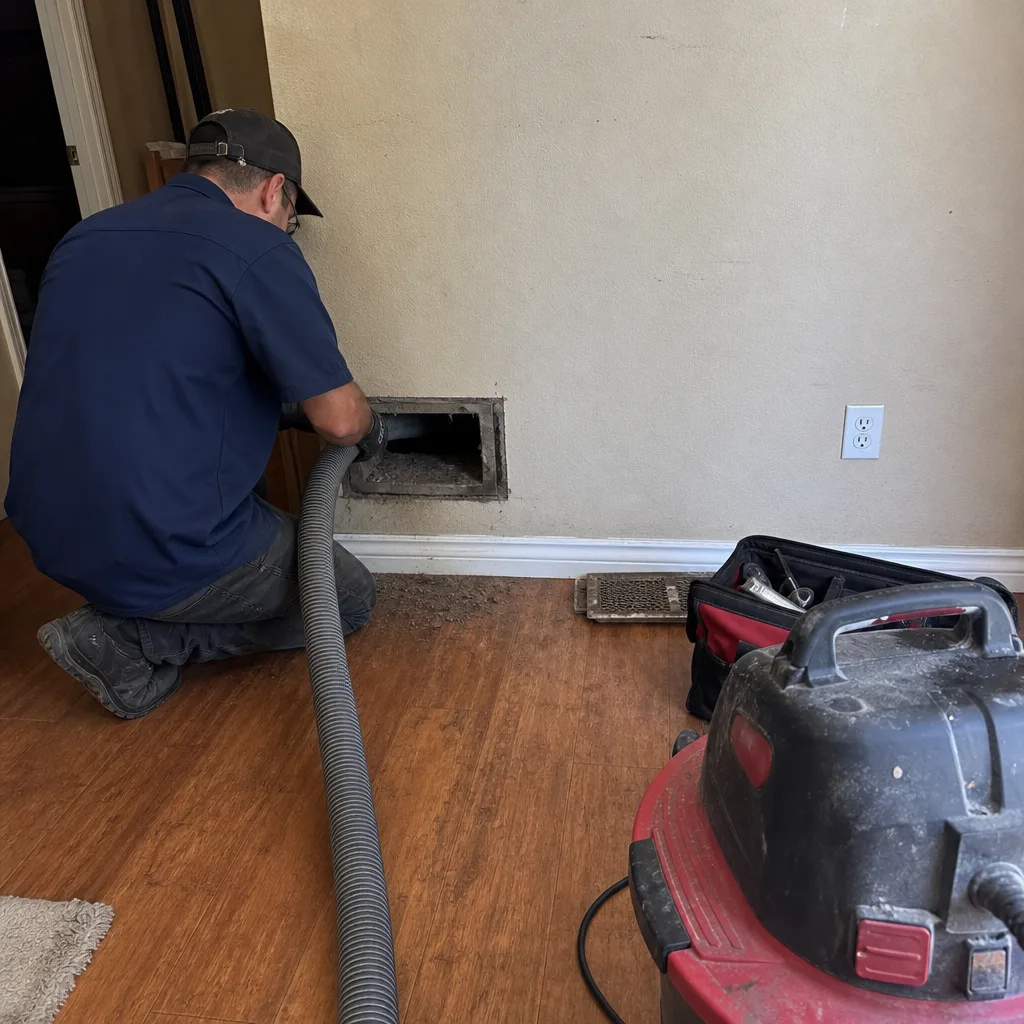 Before
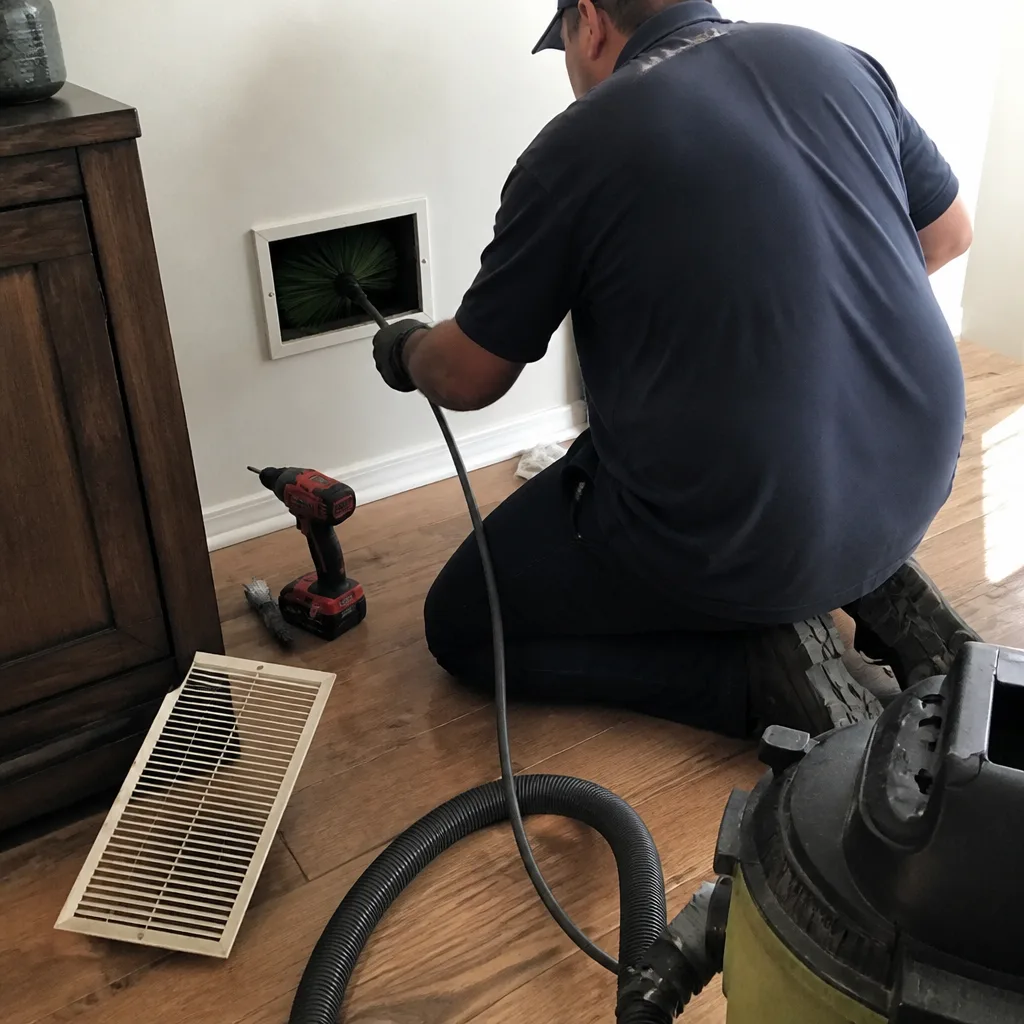 After
After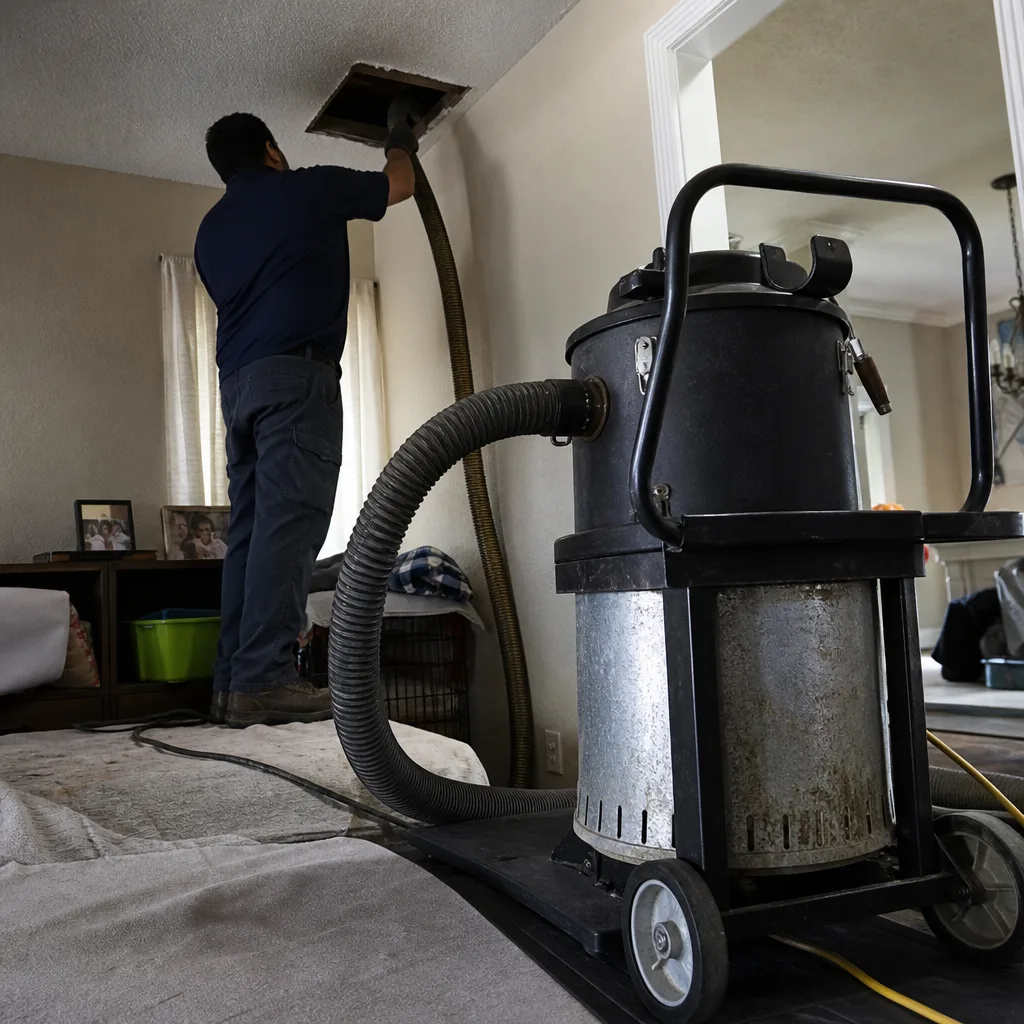 Before
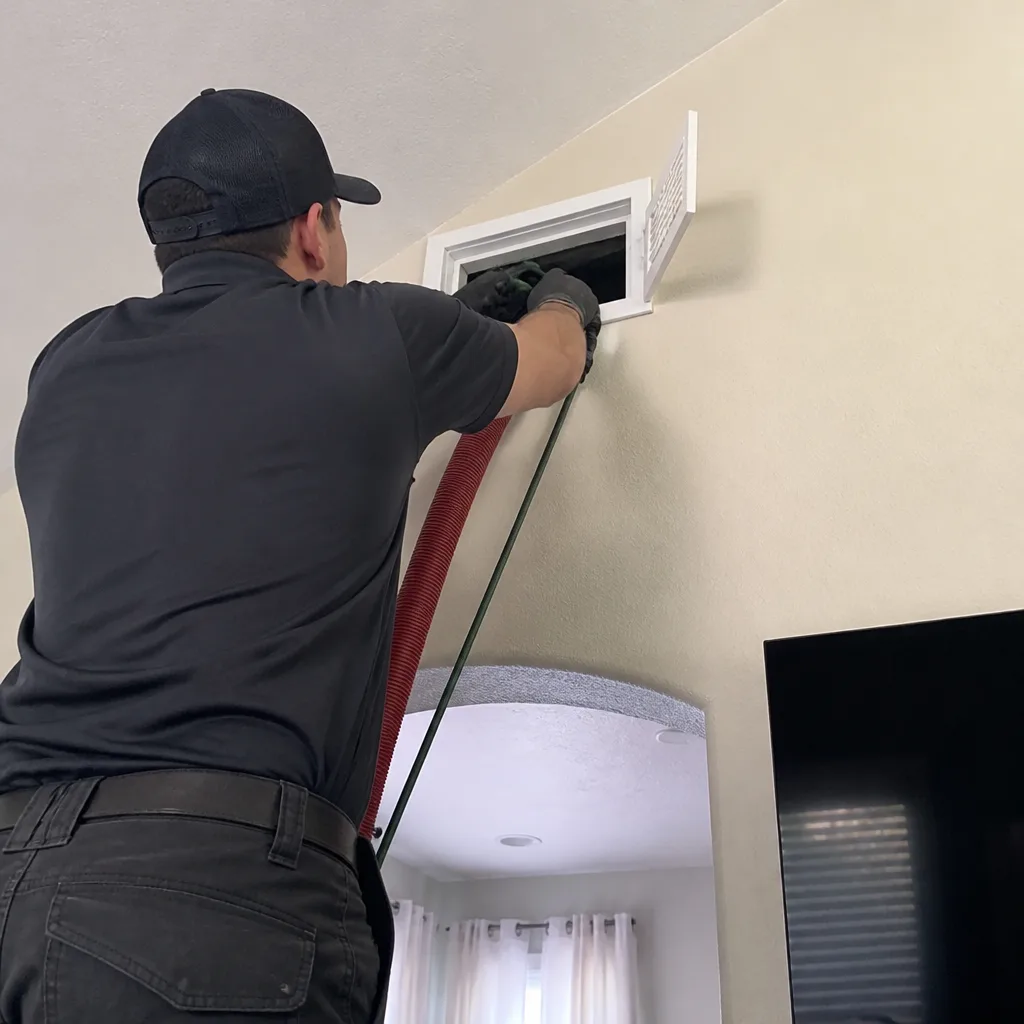 After
AfterDIY or Call Us?
Here’s the honest split. What you can safely do yourself is identify the leak: hold a tissue or piece of toilet paper near the Honeywell cabinet seams while the blower runs. If it waves, you’ve found air movement. You can also check the cabinet for dust accumulation and listen for the whistle described above. That information helps us quote accurately over the phone.
What goes wrong with DIY attempts is usually the sealing material. Foil tape from the hardware store is not a substitute for a Honeywell-specific gasket. It fails within a year, especially in Fort Worth attics where summer temperatures routinely exceed 140 degrees. And the process of removing the cabinet door, pulling the cell or filter, detaching the duct collar, and re-gasketing correctly is a two-person job with parts that are sharp at the edges. We’ve repaired more than a few DIY attempts where the homeowner wrapped tape over a completely failed gasket and called it done. It was not done.
If you want the seal to last, use the right gasket and the right mastic. That’s what we stock and that’s what we install. Call us at (682) 255-2572 and we’ll give you a straight price for your Honeywell setup.
FAQs
A properly installed Honeywell cabinet-to-duct seal should last 10 to 15 years in Fort Worth conditions before the gasket material begins to compress and lose its edge. The wildcard is the attic environment: homes without adequate attic ventilation subject the gasket to higher peak temperatures, which shortens the life to around 8 to 10 years. We recommend a visual check at the same interval as your system’s seasonal maintenance, and a gasket replacement whenever a gap is visible or the cabinet shows dust rings.
If you’re not sure how old your seal is, call (682) 255-2572 and we’ll inspect it when we’re at the house.
Yes, repair is almost always the answer. The Honeywell cabinet itself rarely fails; what fails is the gasket and the seal materials at the connection points. We replace the gasket, re-mastic the seams, and re-tape the collars. Full duct replacement is only needed if the duct trunk itself has collapsed or separated from the collar, which is a different conversation and one we’ll show you with photos before any work moves forward.
Most Honeywell duct sealing and repair jobs on a single cabinet run about 90 minutes to 2 hours from setup to cleanup. That includes removing the old failed seal, cleaning the mating surfaces, installing the new gasket, sealing the exterior seams, and running the blower to confirm no air movement at the repaired joints. If we find additional failed seams inside the immediate duct run, the job may run longer, but we’ll tell you that in writing before extending the work.
Yes. We stock gaskets and sealing kits for the Honeywell F100, F200, and F300 series, along with the standard 16×20, 16×25, and 20×25 cabinet dimensions found in most Fort Worth homes. We carry both OEM Honeywell parts and Guardsman aftermarket equivalents. Some unusual cabinet sizes or obsolete Honeywell models require a one-day parts order, but the common sizes are on the truck. We also stock sealing components for Lennox, Trane, and Carrier equipment, which covers most of the other systems we see alongside Honeywell units in the same home.
Get an Honest Price from a Fort Worth Crew That Shows Up
If your Honeywell cabinet is leaking, whistling, or collecting dust, don’t put foil tape on it and hope for the best. Roy Castellanos and the Hollis Air Duct Fort Worth team will inspect your Honeywell installation, show you exactly where the seal has failed, and hand you one written price before any work begins. That price covers the parts, the labor, and the cleanup. And when the job is done, it’s covered by the 365-Day Done Right Promise in writing. If the repair fails within a year, we return and make it right at no charge. Clean ducts don’t advertise themselves, but dirty ones will.
Call (682) 255-2572 for a free estimate on Honeywell duct sealing and repair in Fort Worth.
Written by Roy Castellanos, Owner, Hollis Air Duct Fort Worth at Hollis Air Duct Fort Worth, serving Fort Worth and nearby areas.