
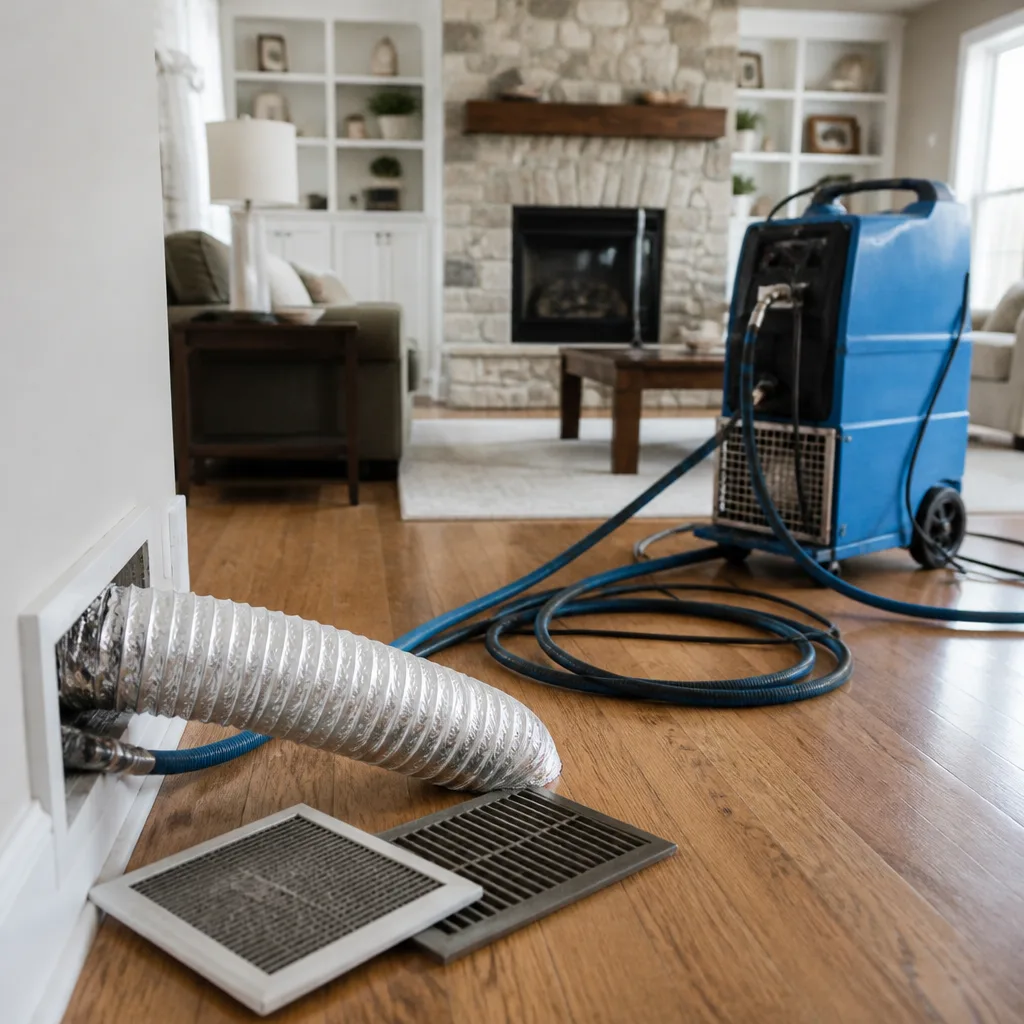
 Whole-home duct cleaning
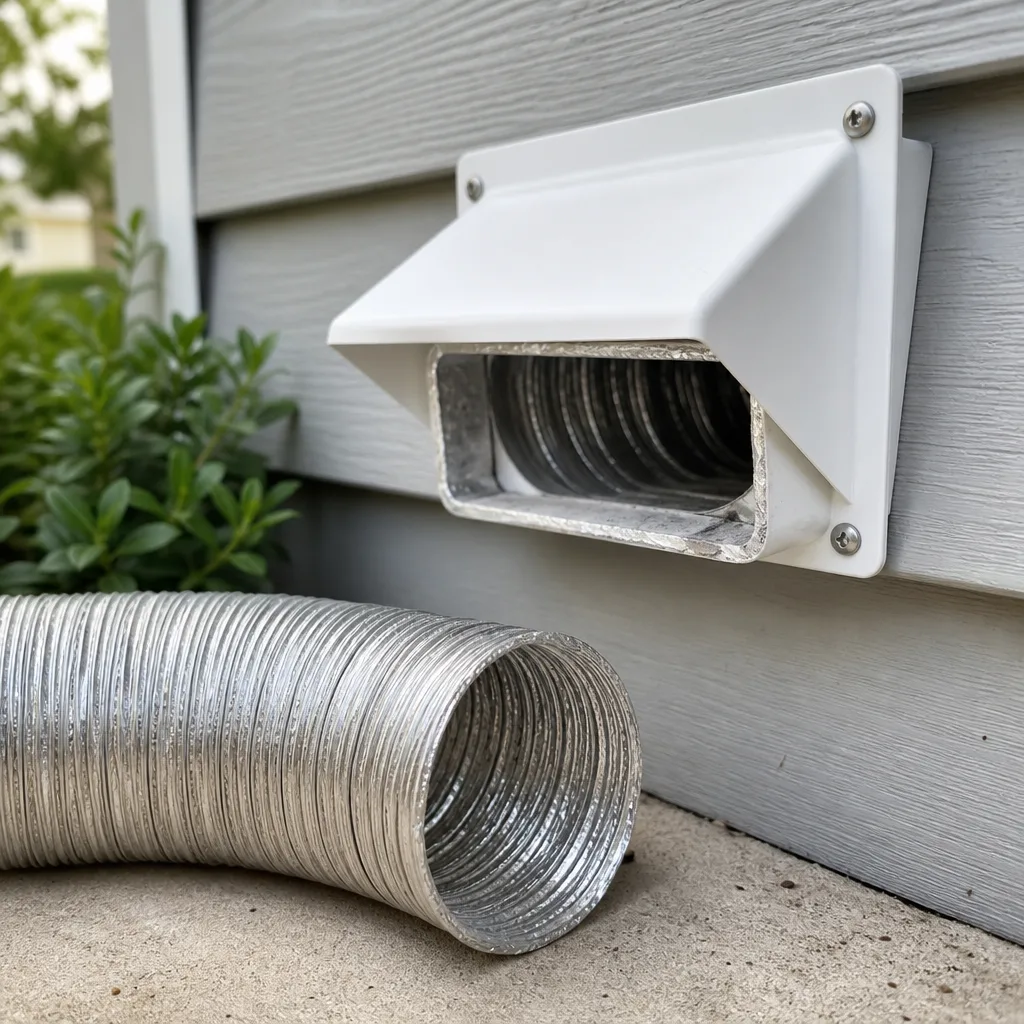 Dryer vent cleaning
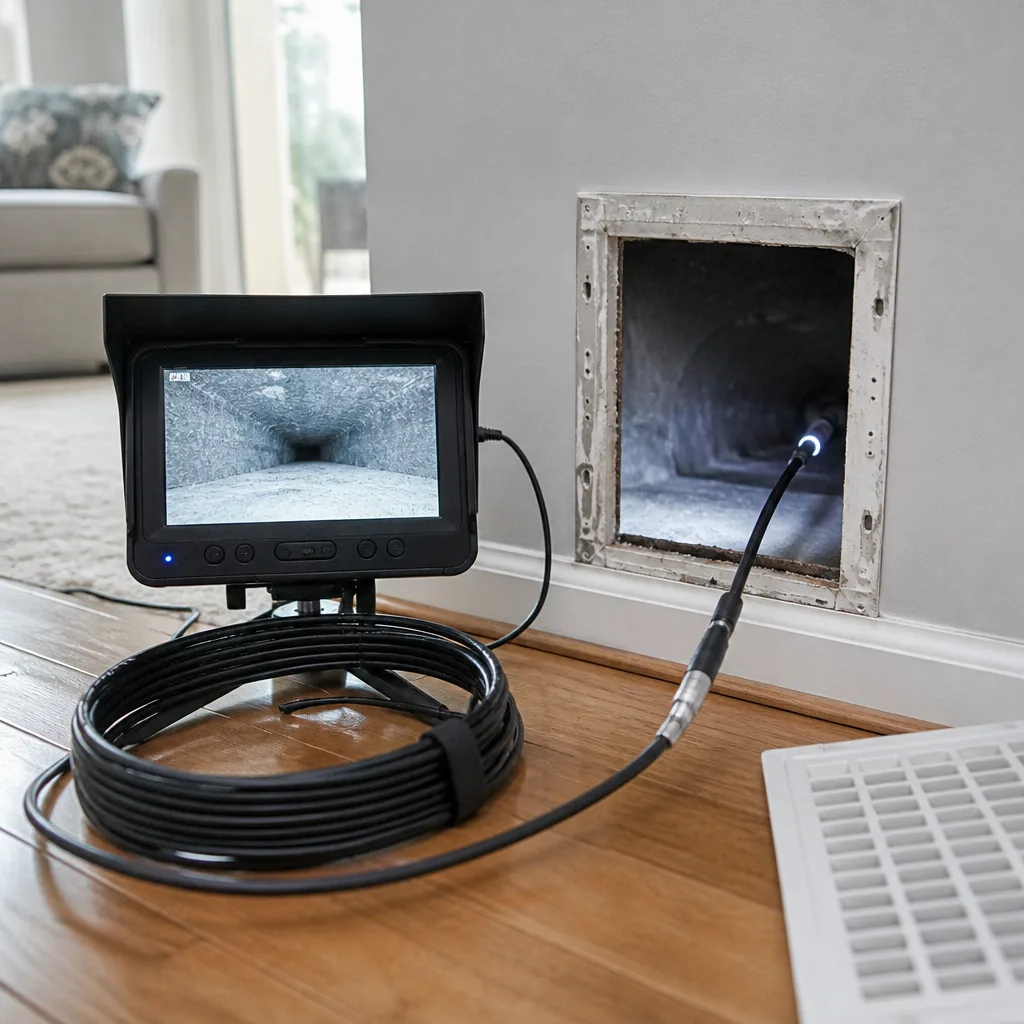 Camera inspection
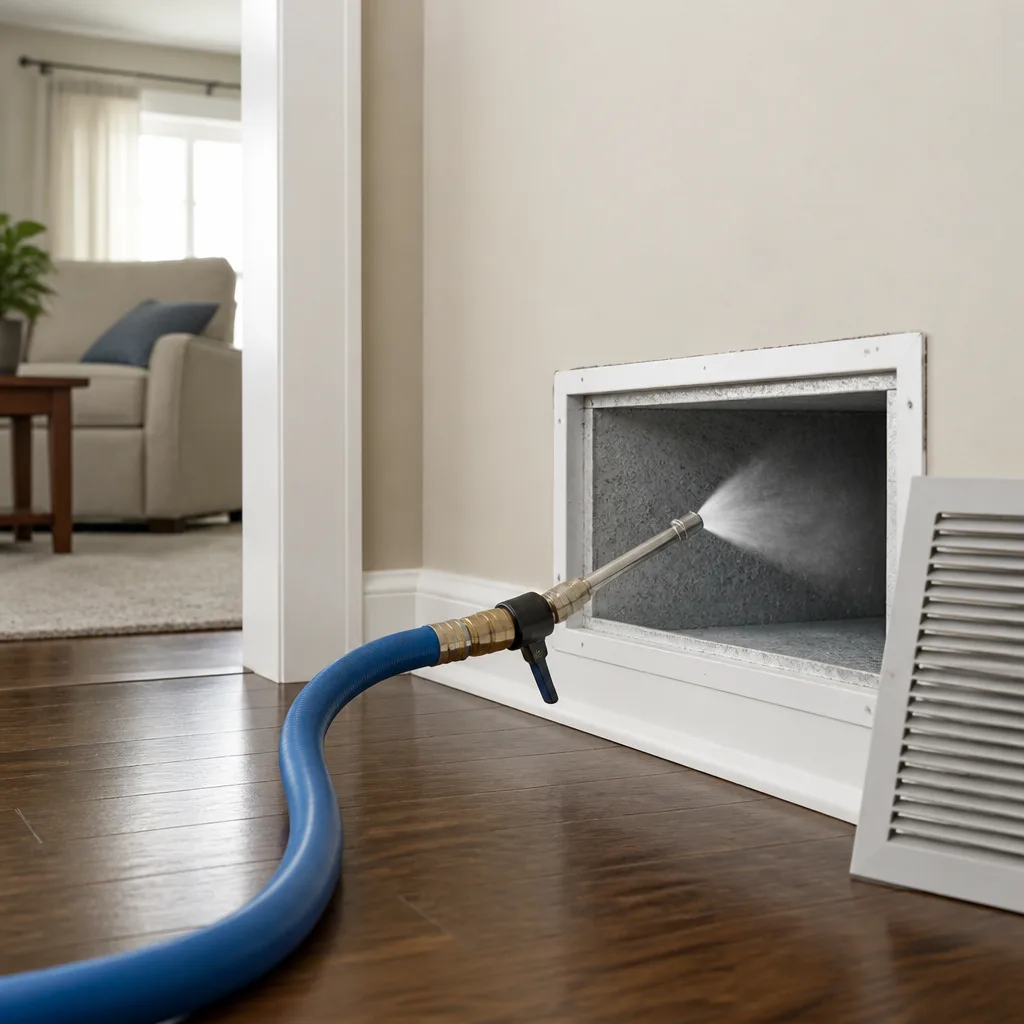 Sanitizing & deodorizing
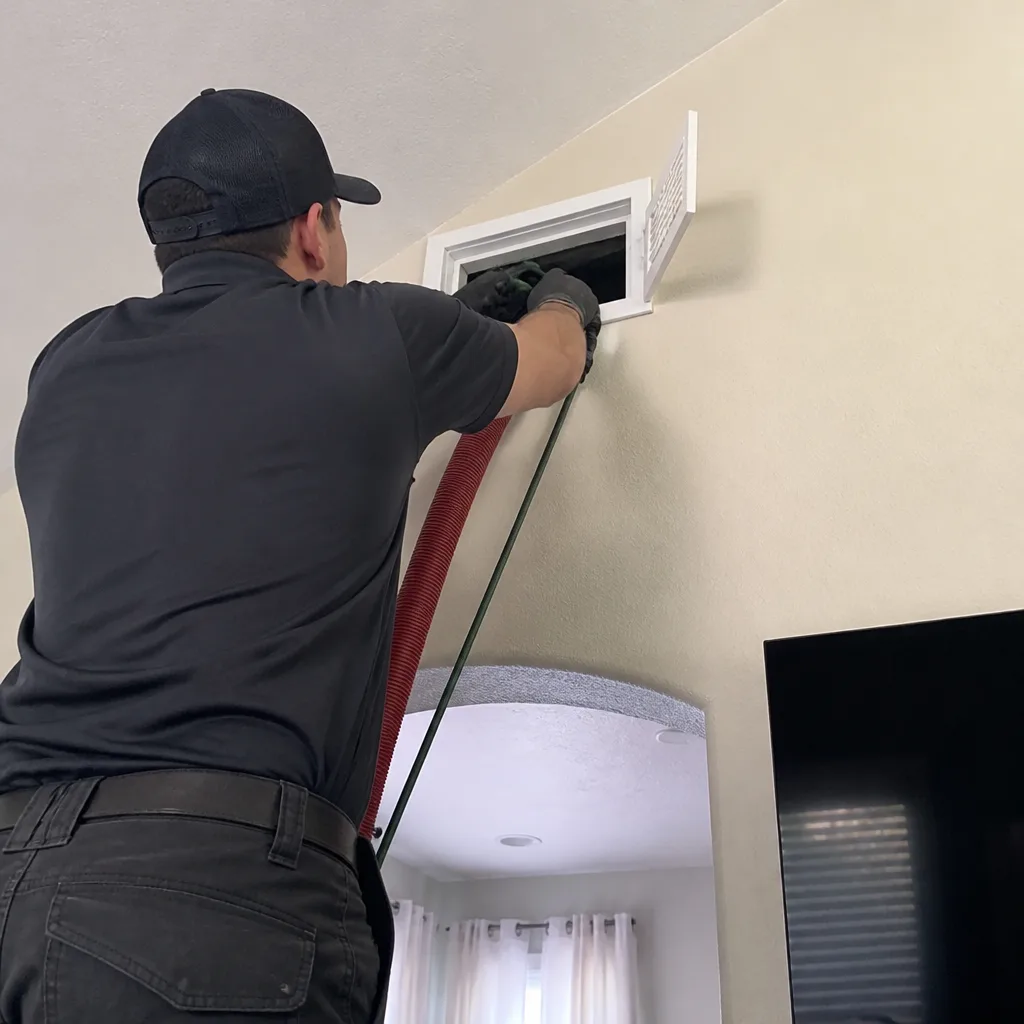
Whole-system duct and dryer vent check with before-and-after photos - you see exactly what came out of your vents
That "$99 whole-house special" is a bait ad - the real number appears once they are in your hallway, or the "clean" is a shop-vac at the register. We photograph the inside of your ducts before and after instead.
Honeywell Duct Sealing in Fort Worth: What to Know First
Honeywell duct sealing in Fort Worth typically costs between $350 and $850 depending on how much of your ductwork has separated, and most jobs are completed in a single visit. We’re an independent Honeywell service provider, not a factory-authorized shop, which means we fix the duct problem itself rather than steering you toward a system replacement. If you’ve got a Honeywell system losing air to the attic or crawl space, call (682) 255-2572 for a written estimate before any work starts.
This page is for Fort Worth homeowners who own a Honeywell HVAC system and have noticed rooms that won’t hold temperature, dust building up faster than it should, or utility bills that climbed for no obvious reason. You’ll find real pricing, the failure patterns we see on Honeywell equipment in Tarrant County, and what a proper duct seal job actually involves. Roy Castellanos and our crew have been working on duct systems across Fort Worth for the better part of two decades, including plenty of older ranch-style homes out near the Stockyards where duct issues hide for years before anyone spots them.
Key Takeaways
- Honeywell duct sealing in Fort Worth runs $350 – $850 for most homes; we write the price down before work begins and it does not move.
- Honeywell systems fail at the duct connections long before the equipment itself wears out, especially in Fort Worth attics where summer heat cycles stress tape and sealant joints.
- Our work is covered by the 365-Day Done Right Promise in writing. If a sealed joint fails within a year, we return at no charge, including a free second visit.
- We also service Lennox, Trane, and Carrier systems, but on Honeywell jobs we speak Honeywell specifics: model lines, weak points, and warranty-safe repair practices.
- Phones are answered by a live person 24/7. Call (682) 255-2572 and you’ll talk to a person, not a voicemail loop.
Styles & brands we work with
How Honeywell Products Fail – and How We Fix Them
Honeywell has built residential HVAC equipment and air-quality products for decades, and in Fort Worth the brand shows up most often in two places: whole-home filtration systems paired with a furnace or air handler, and Honeywell-branded zone control ductwork. The failures we see have more to do with how the duct runs were installed and aged than with the Honeywell badge itself. But the patterns repeat often enough that we can name them.
- Honeywell TrueCLEAN and media cabinet filter housings: these sit between the return plenum and the air handler. When the cabinet’s seal against the duct collar degrades, unfiltered attic or closet air gets pulled in around the filter, not through it. You’ll see dust collecting on the blower wheel and a fine gray film on supply registers within a few months of a filter change. Our fix is to remove the cabinet, clean the mating surface, and reseal it with mastic rather than tape.
- Honeywell zoning dampers and their duct connections: Fort Worth two-story homes that use Honeywell TrueZONE panels usually have motorized dampers in the trunk lines. The damper itself rarely fails; what fails is the sheet-metal seam where the damper housing meets the flex duct. Over years of Fort Worth attic heat, the plastic duct collar warps and the connection opens up. We seal those seams with fiber-reinforced mastic and re-strap the flex so the connection stays round.
- Supply plenum takeoffs on Honeywell-matched systems: whether the air handler is Honeywell-branded or Honeywell controls are paired with another manufacturer’s unit, the supply plenum takeoffs are the most common leak point in any system. In older Fort Worth homes with metal trunks, we regularly find takeoffs that were originally sealed with foil tape that baked brittle after five or six Texas summers. The tape peels, the joint opens, and you’re paying to condition the attic. We remove the old tape, clean the joint, and apply mastic the full circumference.
- Return-side leakage on Honeywell electronic air cleaners: the older Honeywell F300 electronic air cleaner models are still running in a lot of Fort Worth homes built in the 1980s and 1990s. When the power head is pulled for cleaning and reinserted, the gasket between the power head and the cabinet can pinch or tear. That creates a small but persistent return leak. If the unit is still functioning, we reseal the cabinet and replace the gasket; if it’s done, we’ll tell you straight and talk about a media filter retrofit instead.
- Flex duct compression at Honeywell zone takeoffs: flex duct stretched too tight or sagging between suspension points changes the static pressure in the system, and Honeywell zone panels notice it before the homeowner does. A zone that calls for heat but delivers lukewarm air is often a duct problem, not a furnace problem. We re-support sagging runs, cut out crushed sections, and reseal both ends at the plenum and the register boot.
Our Honeywell Duct Sealing Process
Every Honeywell duct sealing job in Fort Worth follows the same sequence, start to finish. No shortcuts, no skipped steps, no surprises on the invoice.
- 1
Call and schedule: you talk to a live person, answer a few questions about your system, and get a written arrival window. We send a background-checked, uniformed technician inside that window.
- 2
System inspection: we walk the full duct run – attic, crawl space, and closets – and locate every air leak. We measure supply and return static pressure where accessible so we know whether what we’re about to fix is the whole problem or just part of it.
- 3
Written pricing before any work: the scope and the dollar figure go on paper before we touch a single joint. That price does not change at the door. If we find something else mid-job, we stop and show you before any additional work proceeds.
- 4
Sealing the leaks: we use fiber-reinforced mastic on sheet metal joints and takeoff collars, and we re-strap flex duct connections. Mastic never dries brittle the way tape does, which matters in a Fort Worth attic that hits 140 degrees in August. On filter cabinet and air cleaner gasket failures specific to Honeywell hardware, we replace the gasket or the cabinet seal rather than smearing mastic on a surface that was never designed for it.
- 5
Test and verify: after the seal work, we re-check the static pressure and visually confirm every repaired joint. You get before-and-after photos of your own ductwork, not a stock photo from a marketing file.
- 6
The guarantee in writing: every repair is covered by the 365-Day Done Right Promise. If a sealed joint fails within a year, we come back and fix it at no charge. Free second visit, included in the original price, not a negotiation.
See the difference
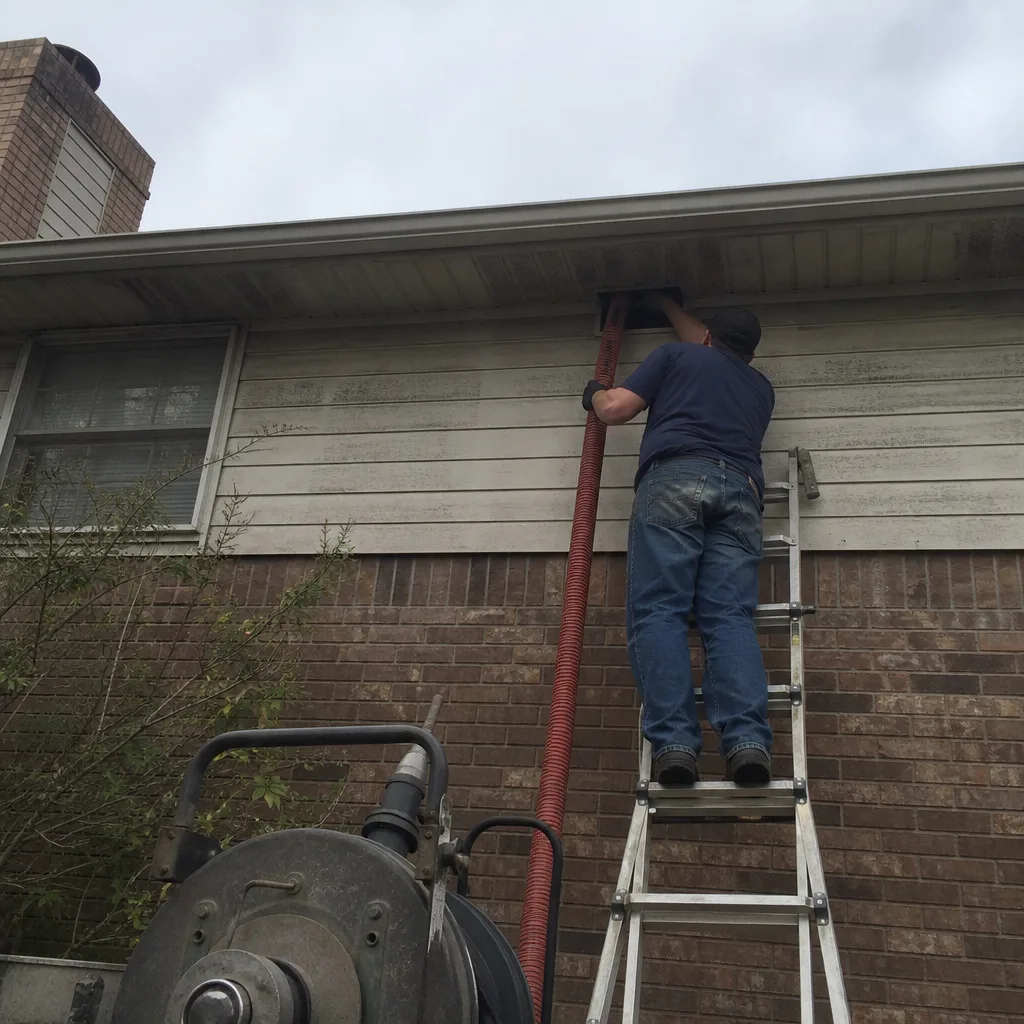 Before
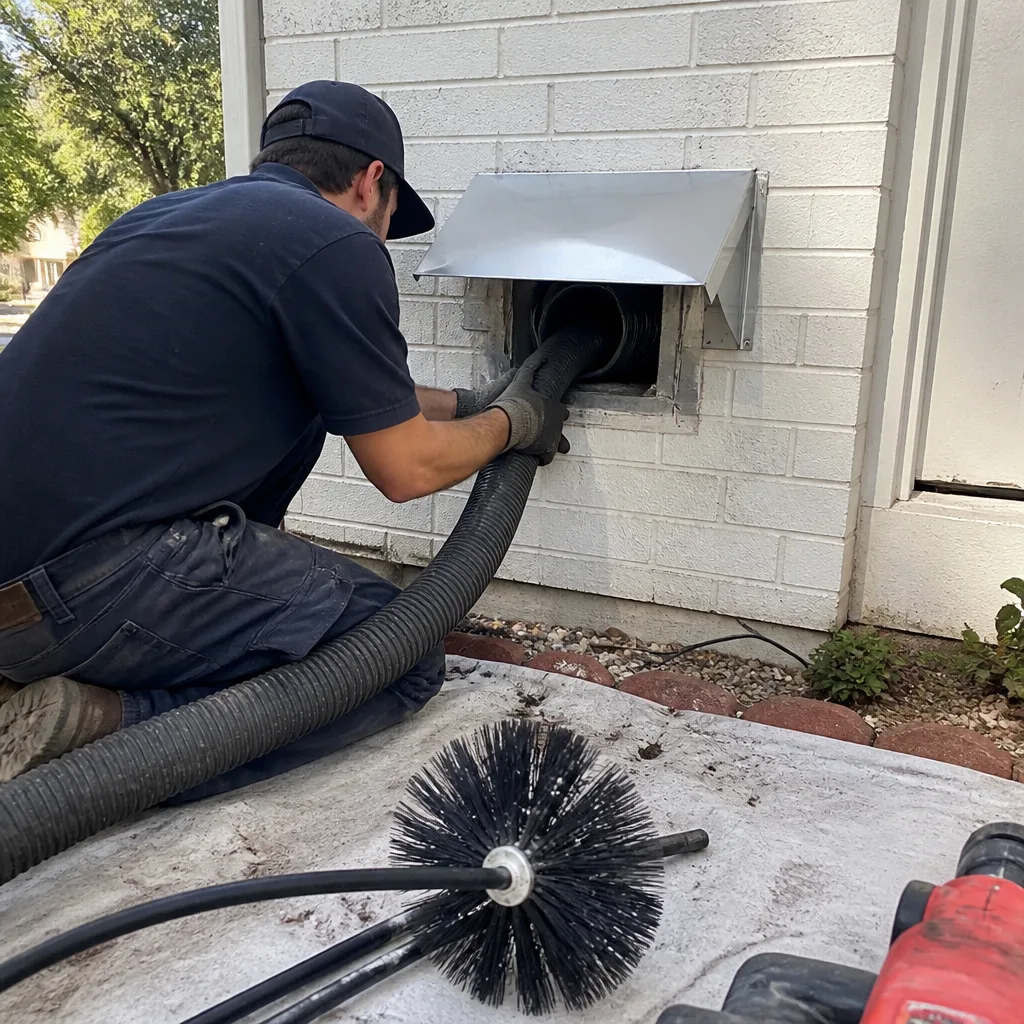 After
After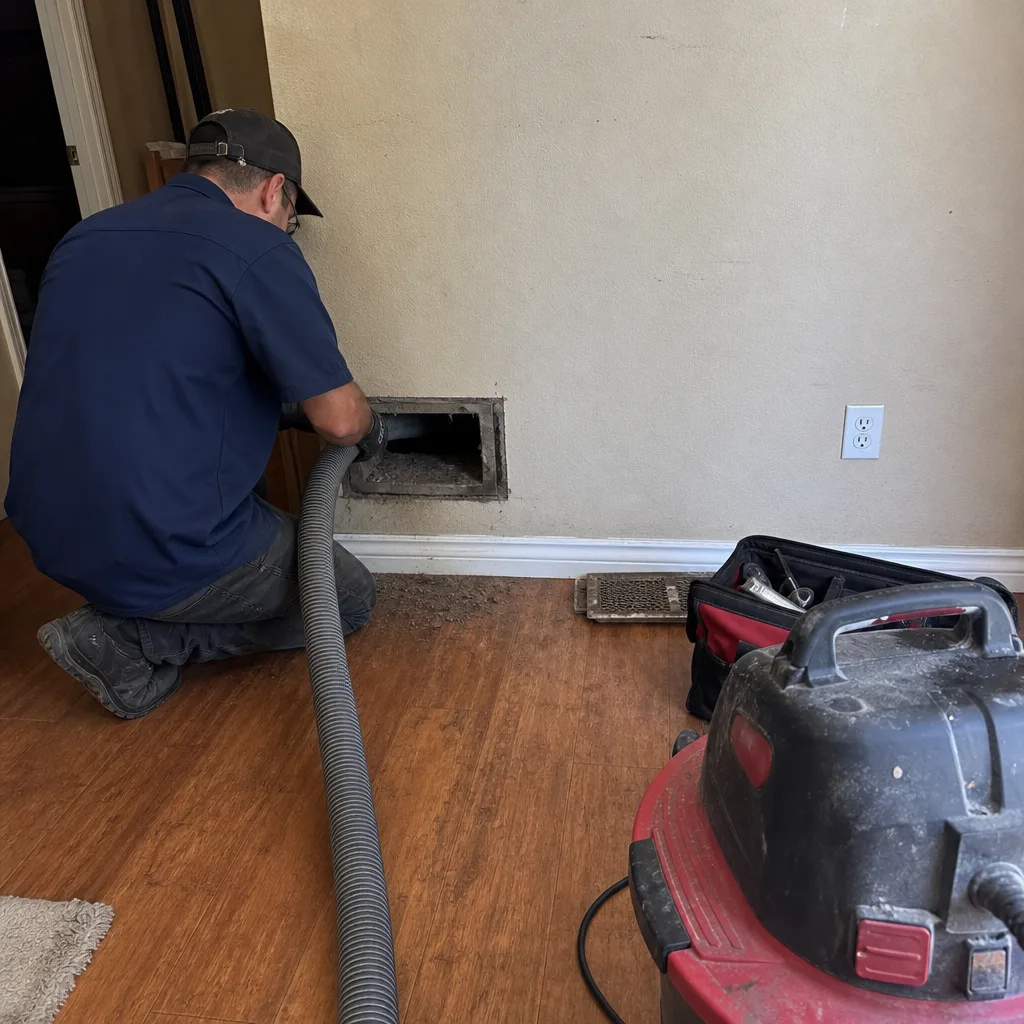 Before
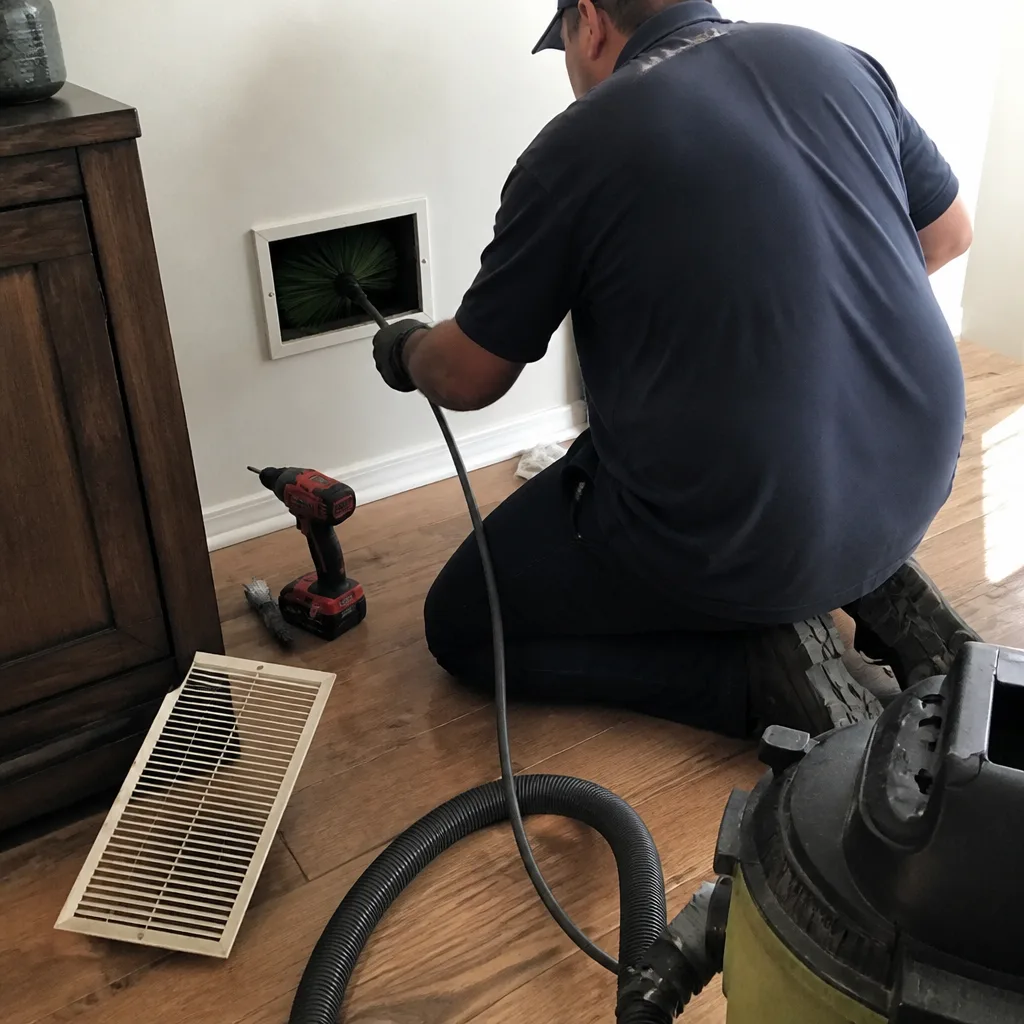 After
After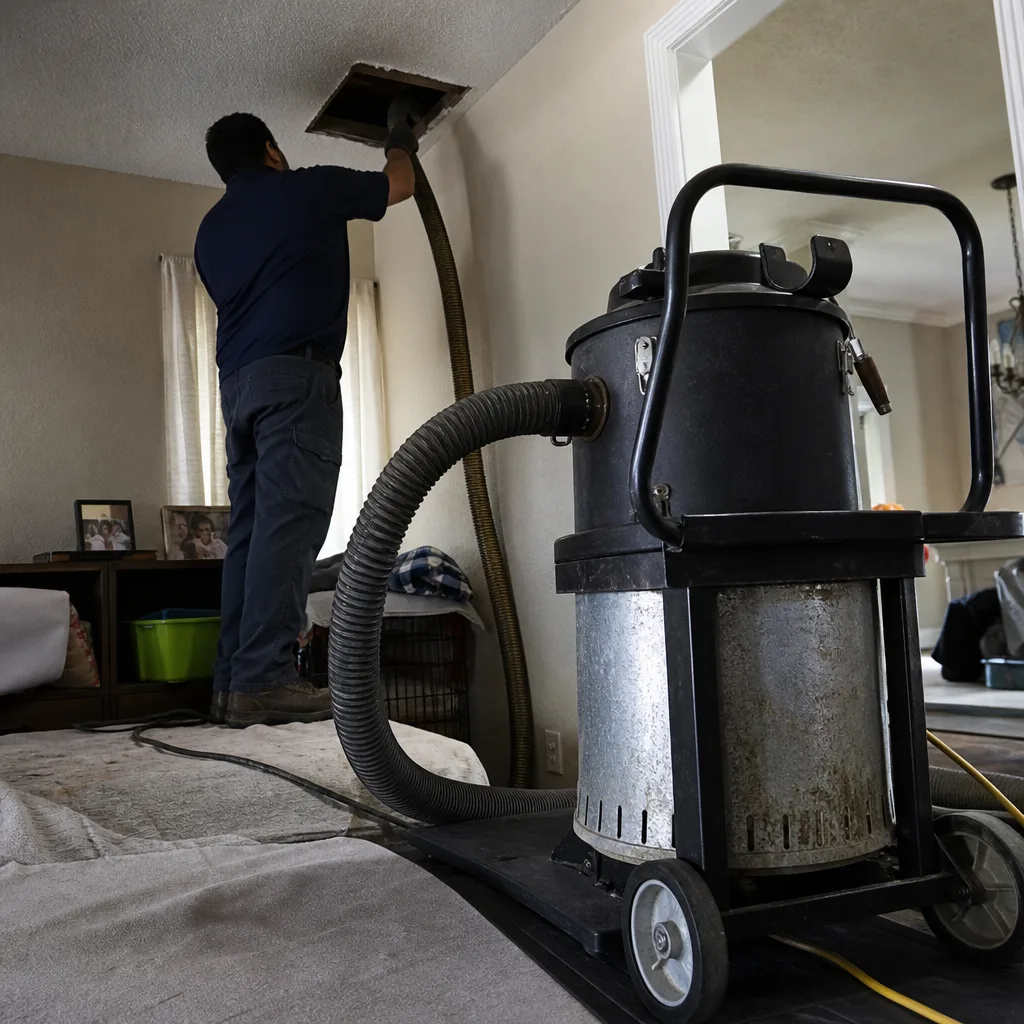 Before
 After
AfterWhat Honeywell Duct Sealing Costs in Fort Worth
Here’s what we bill for the most common Honeywell-related duct sealing scenarios in Fort Worth. These are whole-system prices, agreed before work starts, and they don’t move.
- Single-leak seal (one takeoff, one plenum joint, one filter cabinet): $150 – $275
- Supply plenum takeoff re-seal, up to six takeoffs: $300 – $450
- Honeywell media cabinet or air cleaner gasket replacement with re-seal: $175 – $325
- Whole-system duct sealing (typical 1,800 – 2,800 sq. ft. Fort Worth home): $450 – $850
- Zoning damper duct re-seal, per damper: $125 – $225
What moves the price: attic accessibility, the number of failed joints, whether flex duct needs re-strapping or replacing, and whether the Honeywell filter housing needs a new gasket rather than a reseal. We don’t charge by the vent and we don’t quote a small “starting at” figure that doubles once the van is parked outside. You get one flat price per system, in writing, before work begins. Call (682) 255-2572 for an exact quote – estimates are free.
Why Fort Worth Homeowners Call Hollis Air Duct Fort Worth for Honeywell Work
The Garrison Standard is what we run on, and it’s the reason a homeowner who’s been burned before calls us the second time. Arrive inside the quoted window. Price in writing before the work starts. Do the job by the book. Leave the site clean. That’s the whole code, and we’ve been operating under it since 2004 as part of the Garrison Partners family. Roy Castellanos learned ventilation fundamentals at Los Angeles Trade-Technical College, and he’s applied them in Fort Worth attics long enough to know what a Honeywell system’s weak points look like before he opens the access panel. Clean ducts don’t advertise themselves – but dirty ones will.
On a Honeywell job, we’re not guessing. We know the TrueCLEAN cabinet seal issues, the F300 gasket failures, and the TrueZONE damper collar problems by name. And if your Fort Worth system has mixed equipment – which a lot of them do – we work on Lennox, Trane, and Carrier alongside Honeywell, so you don’t need three different companies when the ductwork serving all of them is the actual problem.
Our technicians are background-checked and uniformed, our phones are answered by a live person 24 hours a day, and our 365-Day Done Right Promise is written into every invoice. If it’s not done right, we return and make it right at our cost. That’s not a slogan; it’s a contract term.
FAQs
No. Sealing ductwork at the plenum, takeoff, or filter cabinet does not void a Honeywell equipment warranty, because the duct system is separate from the equipment itself. We use non-invasive mastic and replacement gaskets rather than drilling into or modifying Honeywell components, which protects both the equipment and any active warranty coverage. As an independent Honeywell service provider, we don’t represent the manufacturer, but we do work in ways that don’t put your coverage at risk.
The telltale signs are rooms that won’t hold temperature, dust accumulating within a few weeks of cleaning, and a filter that darkens unevenly or in a pattern that suggests bypass air. In Fort Worth specifically, if you’ve got a Honeywell system and your attic-facing supply runs are wrapped in old foil tape, there’s a good chance at least one joint has opened. We confirm with a visual inspection and static pressure readings before recommending any seal work. Call (682) 255-2572 and we’ll take a look.
Most Honeywell duct sealing jobs are scheduled within a few business days of your call. We don’t run emergency-response gimmicks for scheduled work like duct sealing; we run a straight schedule and show up inside the quoted window. If your system is losing so much conditioned air that the house won’t hold temperature, tell us when you call and we’ll prioritize your visit.
Both. Honeywell media cabinets and the older F300 electronic air cleaners have gaskets and door seals that wear over time, and we replace those as part of a duct sealing job when needed. A filter cabinet that’s pulling attic air around the filter defeats the whole point of sealing the ducts downstream, so we address the full air path, not just the joints you can see from the attic ladder.
Yes, in writing. Every Honeywell duct sealing job is covered by the 365-Day Done Right Promise. If any sealed joint or replaced gasket fails within one year, we return at no charge and make it right, including a free second visit. You’ll have the guarantee on the invoice before we start, not as a verbal promise after the fact.
If your Honeywell system is leaking air somewhere in the attic or crawl space, get in front of it before the next Fort Worth summer. Call (682) 255-2572 for a free estimate. We’ll give you a written price, show up inside the window, and leave the system sealed and the site clean.
Written by Roy Castellanos, Owner, Hollis Air Duct Fort Worth at Hollis Air Duct Fort Worth, serving Fort Worth and nearby areas.