
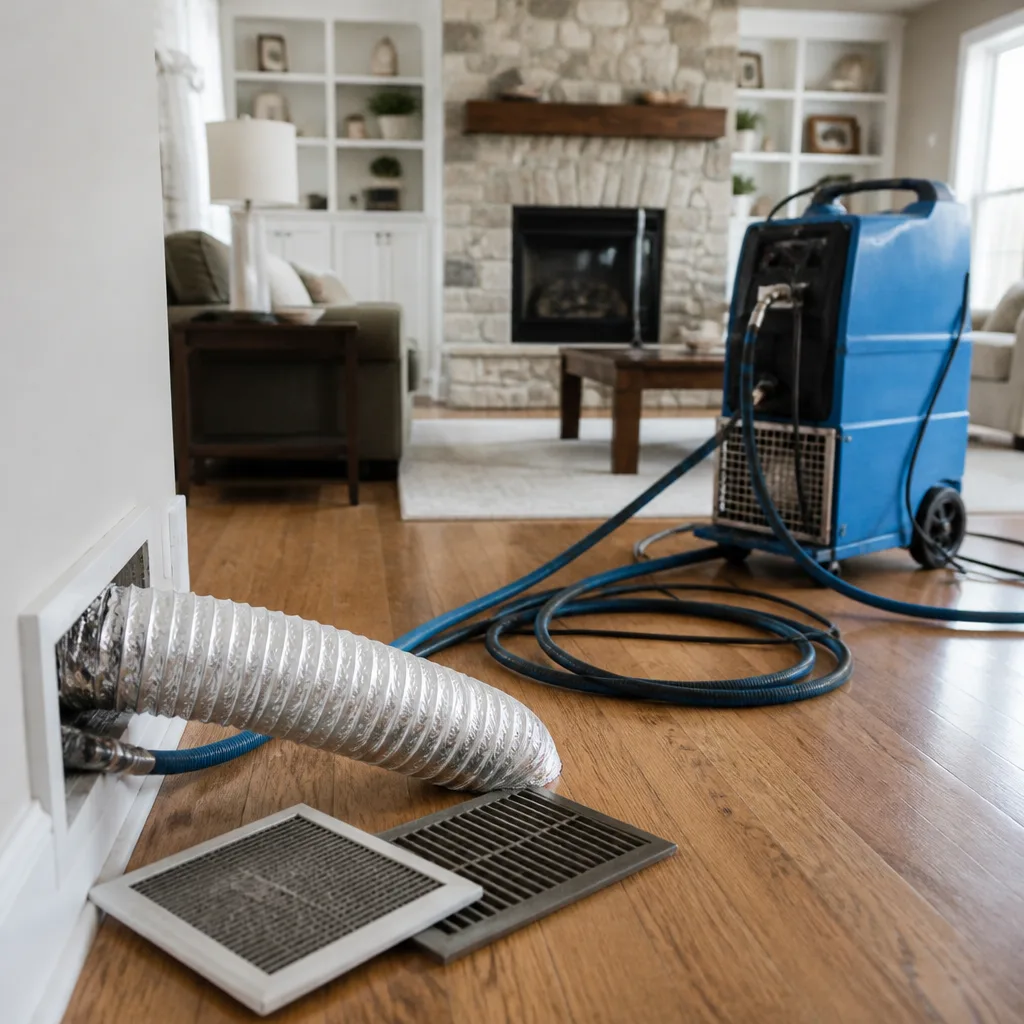
 Whole-home duct cleaning
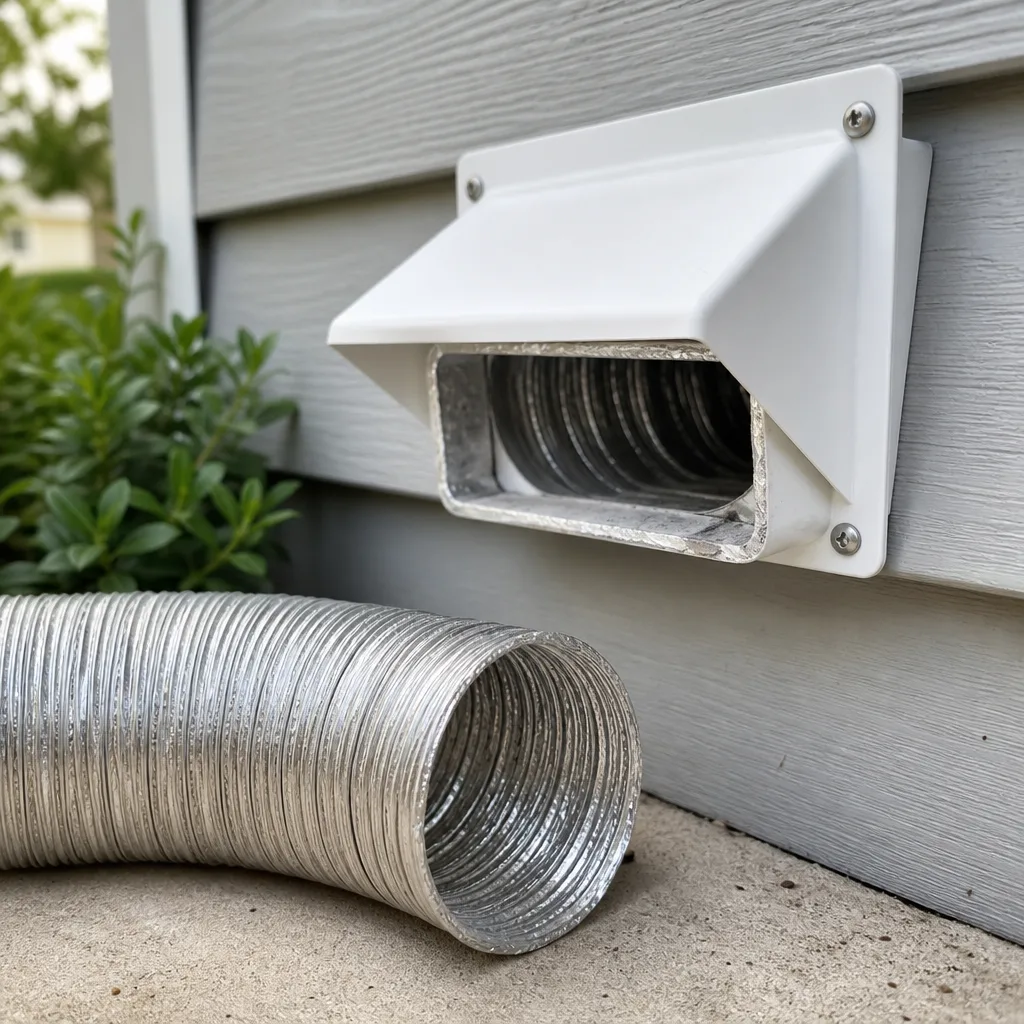 Dryer vent cleaning
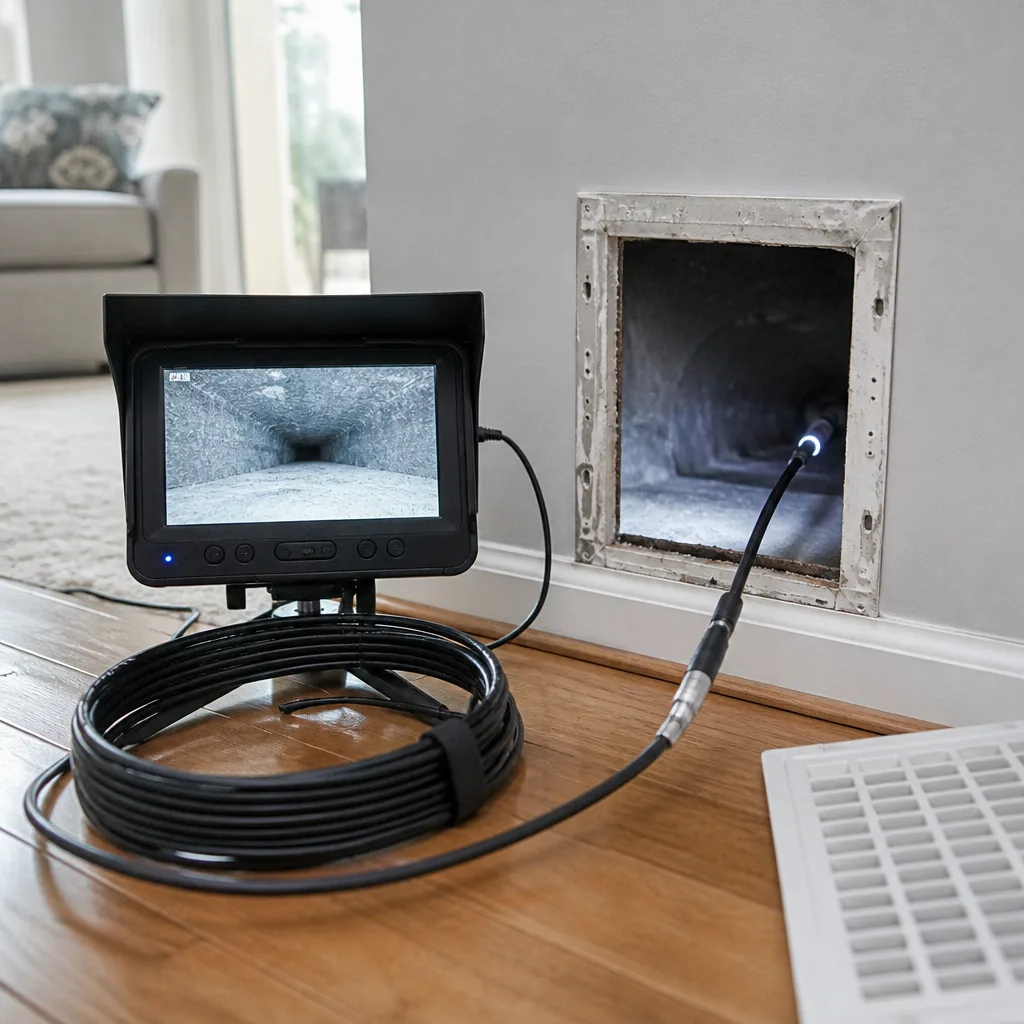 Camera inspection
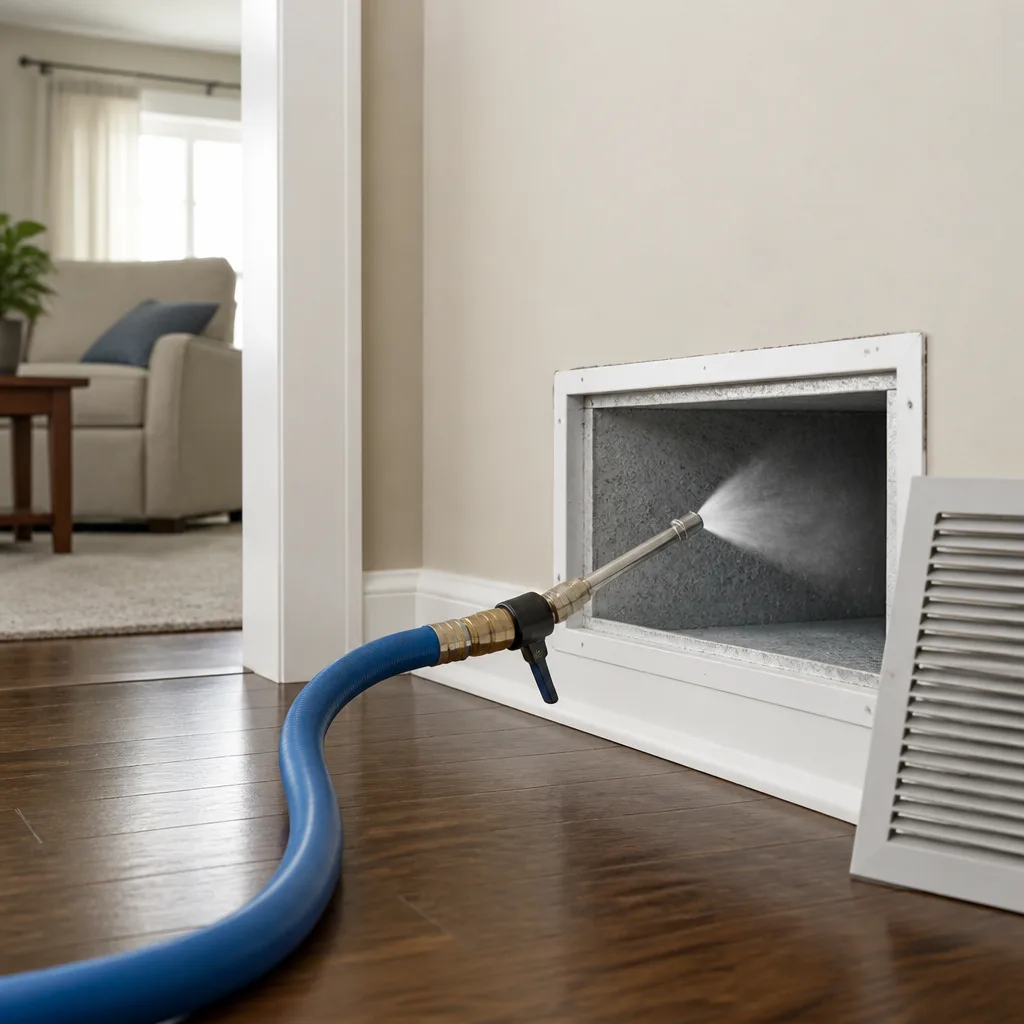 Sanitizing & deodorizing
Whole-system duct and dryer vent check with before-and-after photos - you see exactly what came out of your vents
That "$99 whole-house special" is a bait ad - the real number appears once they are in your hallway, or the "clean" is a shop-vac at the register. We photograph the inside of your ducts before and after instead.
Nikro Coil Cleaning: The Fort Worth Owner’s Guide
We keep Nikro-compatible coil cleaning components on our trucks across Fort Worth, and a typical coil cleaning on a residential Nikro system runs $180 to $390 depending on how deep the buildup goes and which Nikro machine you’re running. You’ll usually know the coil is fighting you when the machine starts pulling weak vacuum, the air coming off the coil feels warm instead of cold, or the compressor starts short cycling. Roy Castellanos has been inside Nikro machines across Fort Worth for the better part of two decades, and the pattern is almost always the same: the coil gets ignored until the system tells you it can’t ignore it anymore.
Here’s the thing about Nikro coils in North Texas specifically. Fort Worth’s summer humidity pushes condensation across the coil surface for months at a time. Combine that with the fine dust that makes it past the pre-filters, and you get a paste that bakes onto the fins. It doesn’t just sit there. It insulates the coil, drives head pressure up, and shortens compressor life. Clean ducts don’t advertise themselves, but dirty coils will, right in your electric bill and your repair receipts.
Which Nikro Models This Applies To
Nikro builds negative-air machines and air scrubbers in several series lines, and the coil configuration changes depending on the machine’s job. The portable HEPA units and the larger negative-air scrubbers used in Fort Worth restoration work run different coil sizes and fin spacing, even though the cleaning principle stays the same. If you’ve got a Nikro machine with a condensate coil that’s gummed up, the first thing to check is the model plate on the frame or the data sticker inside the access panel. The model number tells us fin count per inch, coil face area, and whether the coil is brazed or mechanically bonded to the refrigerant lines.
On the OEM versus aftermarket question, we’re direct about it. Nikro OEM coils are the safe call if you’re under warranty or if the machine is still in commercial service. But on older units where the OEM part carries a long lead time or a steep price, a quality aftermarket coil with matching dimensions and fin spacing does the job without compromising the system. The gotcha we see in Fort Worth is mismatched fin spacing: a coil with tighter fins than the original will clog faster in our dust, and a coil with looser fins won’t transfer heat the way Nikro designed it to. Get the measurements right before you buy anything.
Styles & brands we work with
Signs Your Nikro Coil Cleaning Is Failing
- Weak or dropping vacuum at the intake. The coil is the heat exchanger for the system, and when fins load up with dirt, airflow across them drops. The blower works harder to pull the same air volume, and static pressure climbs until the machine underperforms.
- Warm air coming off the coil instead of cool. This is the most common complaint we hear in Fort Worth during the summer months. The coil can’t shed heat through a layer of baked-on grime, so the refrigerant stays hot and the air leaving the unit stays warm.
- Compressor short cycling. When the coil can’t reject heat, head pressure rises. The compressor’s thermal overload trips, the system shuts down, and a few minutes later it tries again. That start-stop pattern is hard on the windings and shortens the compressor’s life every time it happens.
- Visible buildup you can see through the access panel. By the time you can see it, airflow is already down. If the fins look fuzzy or you see a gray paste between them, the coil’s efficiency has dropped well below what the unit needs to run right.
- The machine runs hotter than it used to. Touch the cabinet after it’s been running for 20 minutes. If it’s noticeably warmer than it used to be, the coil is holding heat instead of releasing it. That heat has to go somewhere, and it’s going into the fan motor and the compressor.
See the difference
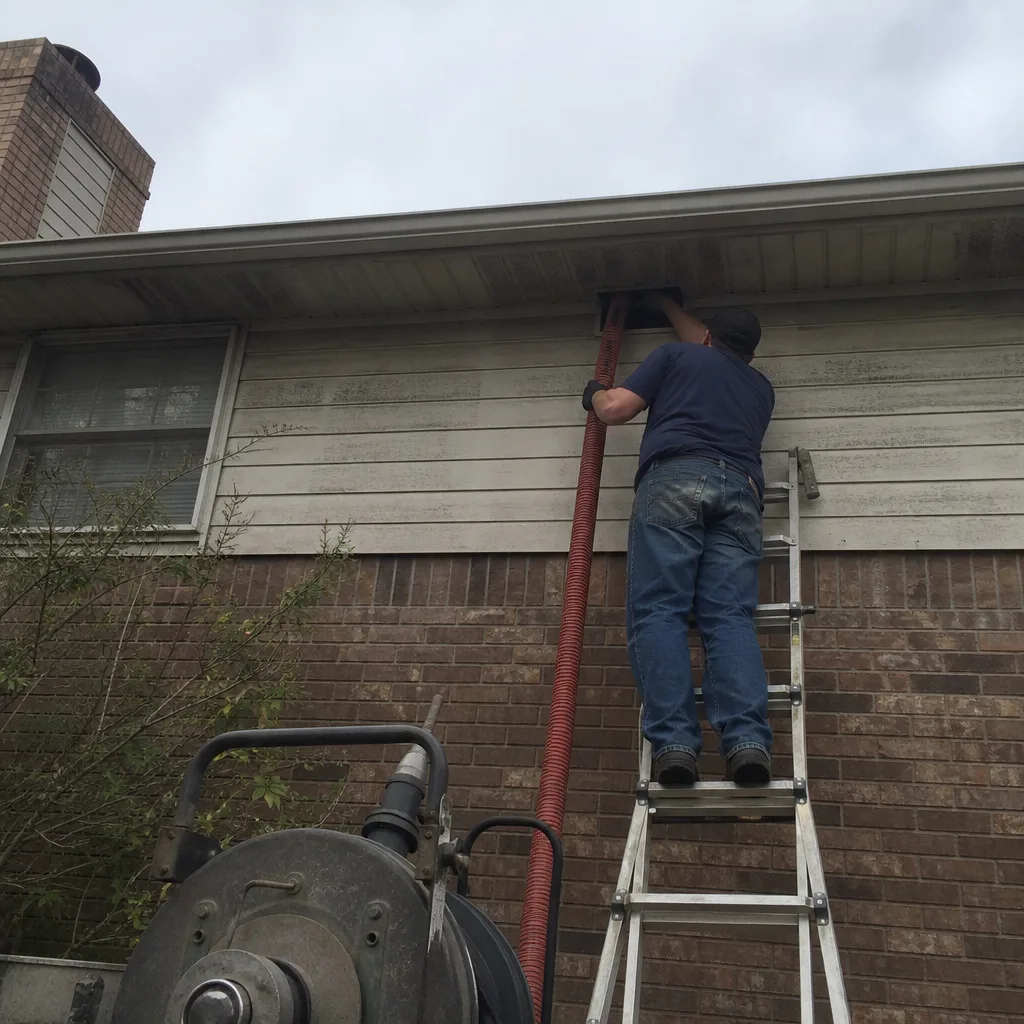 Before
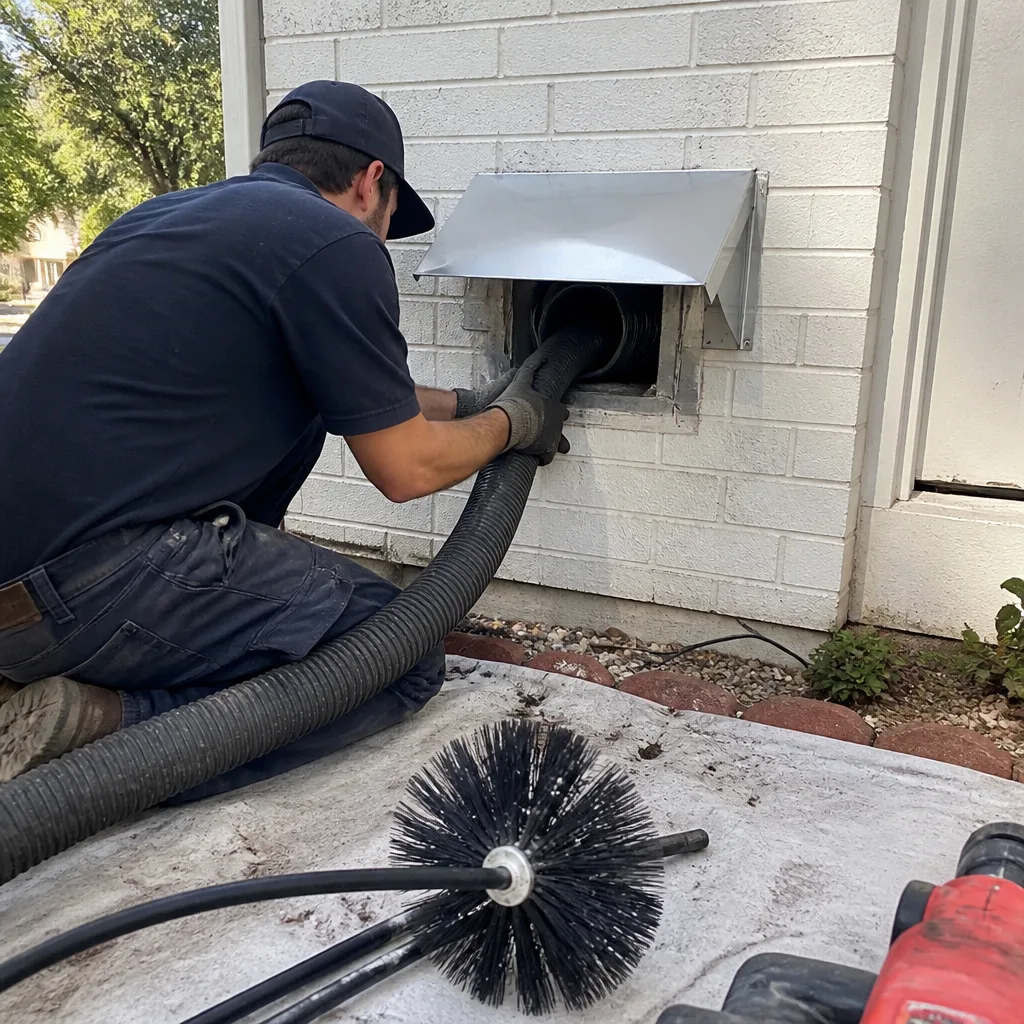 After
After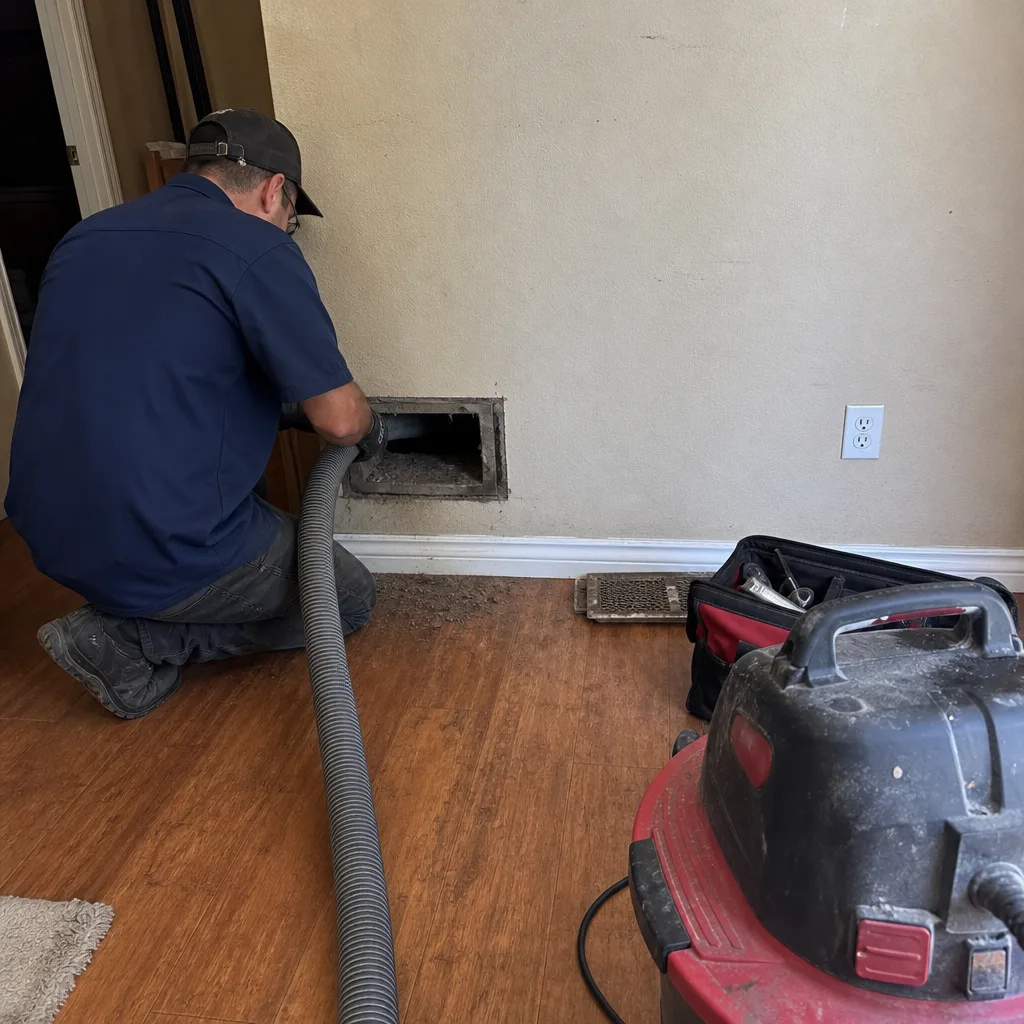 Before
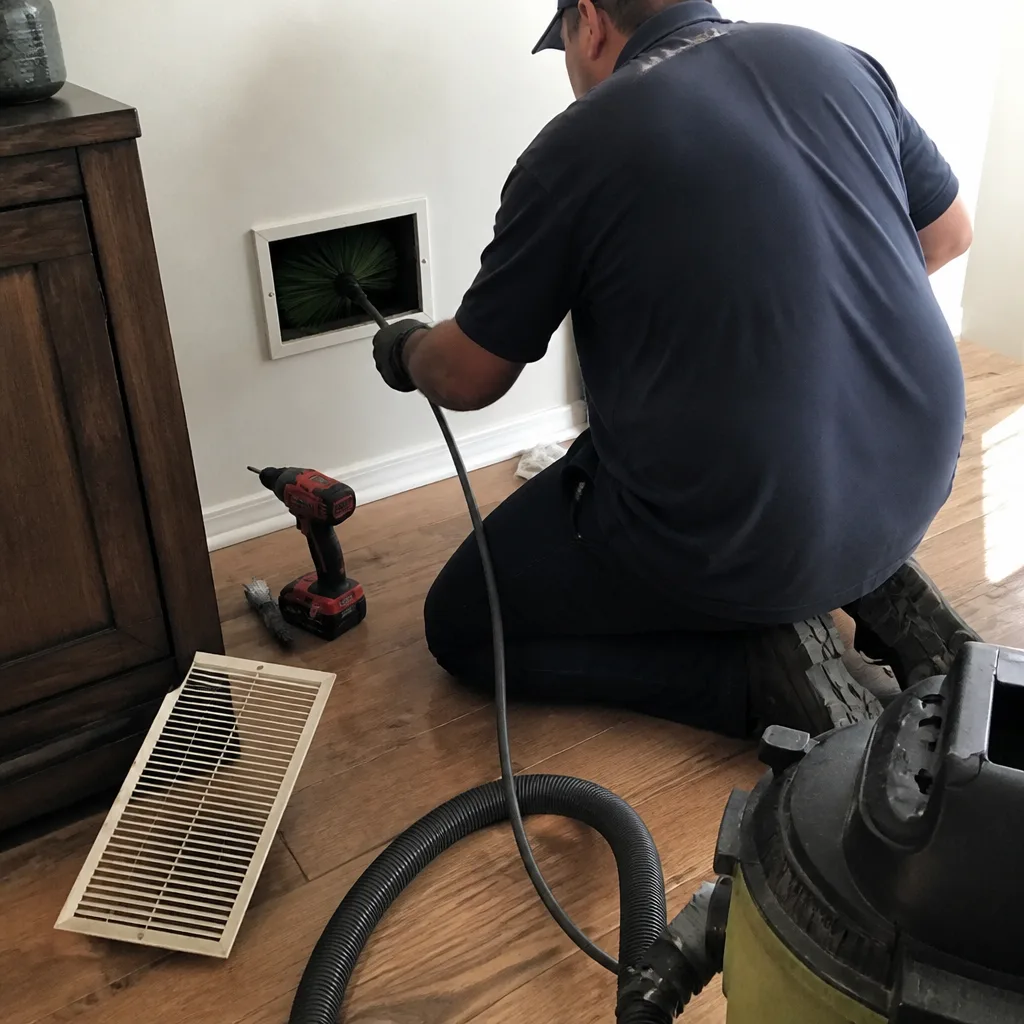 After
After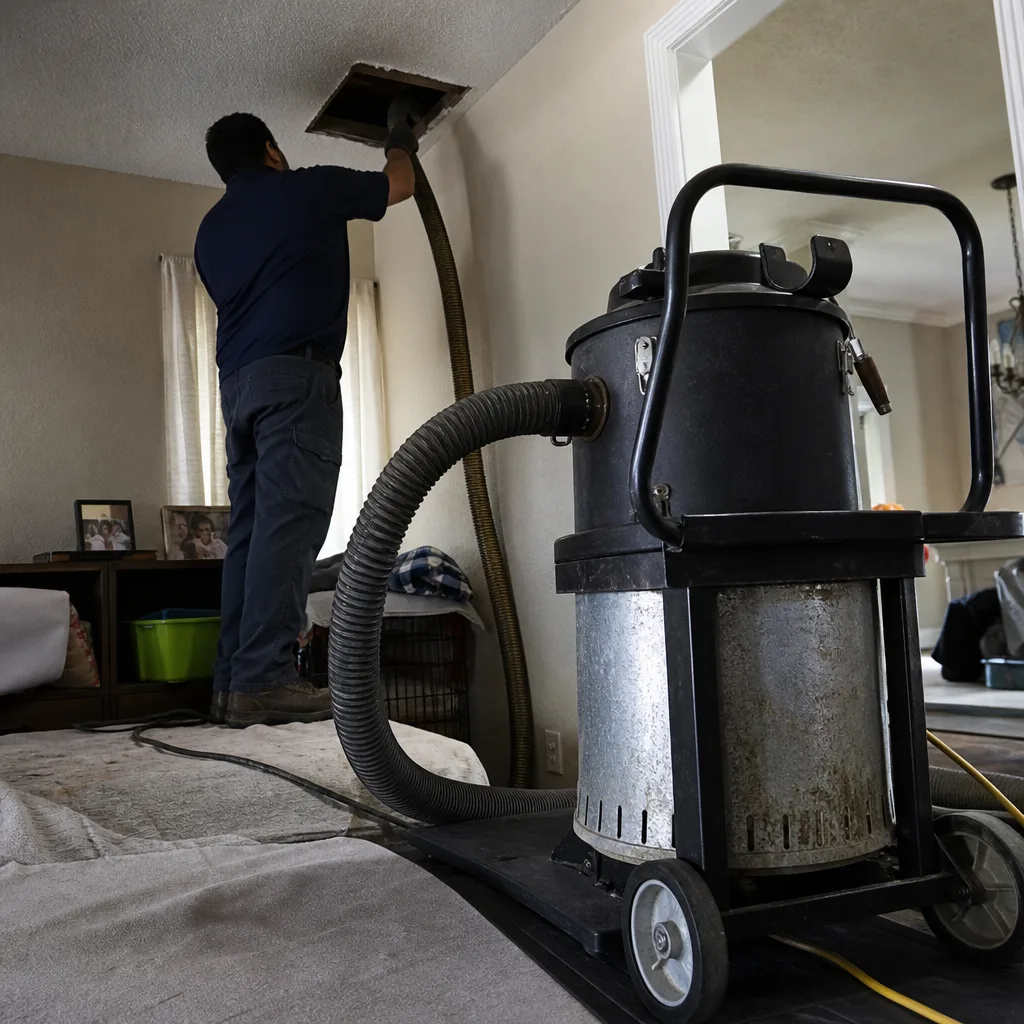 Before
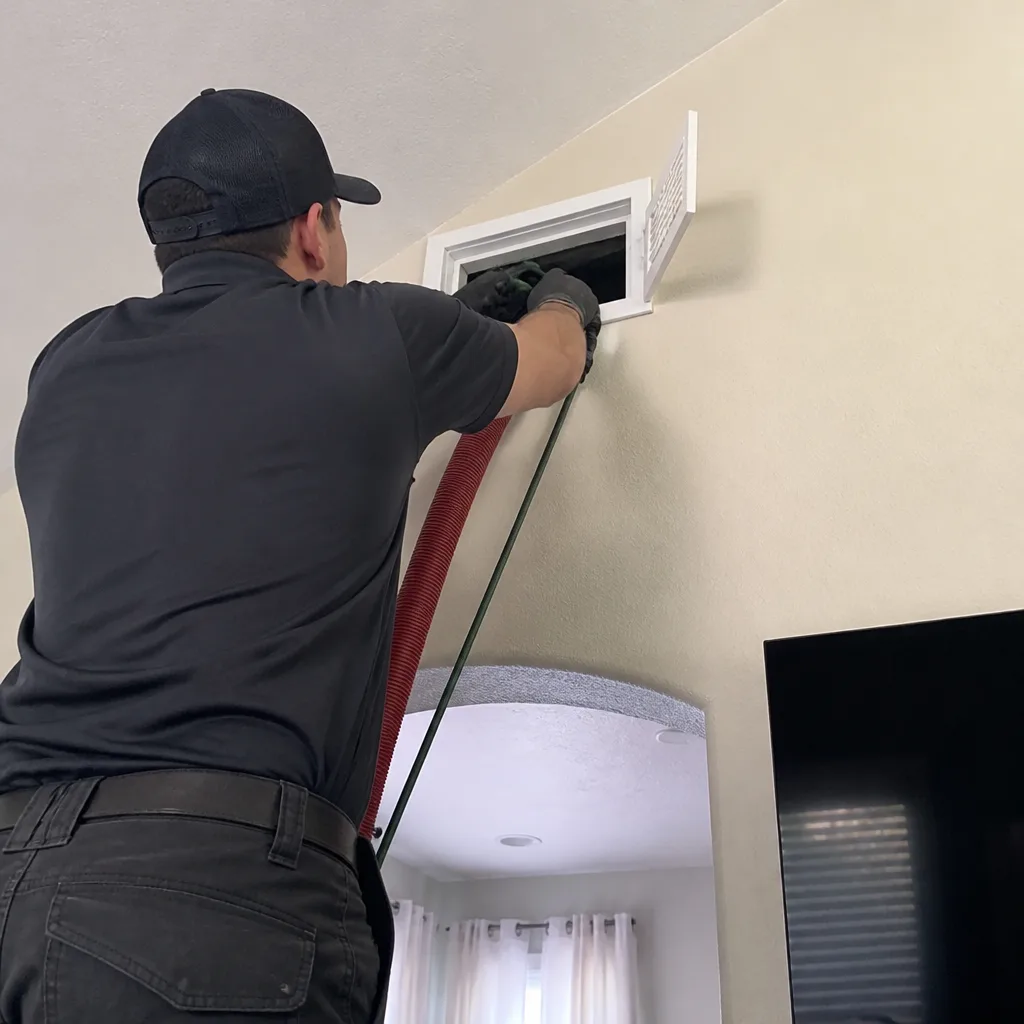 After
AfterReplacement Cost & What’s Included
In Fort Worth, a residential Nikro coil cleaning runs $180 to $390. The range comes down to three things: how heavily the coil is built up, whether we’re pulling the coil out for a deep clean or cleaning it in place, and whether the fins need straightening after years of service. We give you the price in writing before we touch the machine. No per-coil upcharges once we’re inside. No surprise line items at the door.
What’s included: we remove the access panel, contain the work area, apply the cleaning chemistry that’s right for Nikro fin material, flush the coil until the rinse water runs clear, straighten bent fins where needed, check the condensate line, and fire the machine up to verify airflow and temperature drop before we leave. The whole job is covered by our 365-Day Done Right Promise. If it’s not done right, we come back and make it right at no charge. That’s in writing on every job we do in Fort Worth.
DIY or Call Us?
Here’s the honest split. You can pull the access panel, look at the coil, and check the filter condition without risking anything. That’s worth doing once a month if your Nikro machine runs daily. If the filter is loaded, replace it before you do anything else. A plugged filter is the cheapest cause of a hot-running coil, and it’s the first thing we check on every Fort Worth service call.
What you shouldn’t do is spray the coil with the wrong cleaner or hit it with a pressure washer. Nikro coils run specific fin materials, and the wrong chemistry can etch the aluminum and ruin the coil. High pressure folds fins flat, and once they’re folded, the coil’s done. The refrigerant charge is a closed system, and if you nick a line while cleaning, you’ve turned a $300 maintenance item into a $2,000 repair. We stock the right cleaners and coil tools on the truck. Call us at (682) 255-2572 and we’ll get it done the same day in most parts of Fort Worth.
FAQs
In Fort Worth’s climate, a Nikro coil running daily needs a real cleaning every 12 to 18 months. If you’re running the machine on job sites with heavy dust or smoke, cut that to every 6 to 9 months. Call (682) 255-2572 and we’ll tell you what we see on your model.
Yes, if the problem is buildup, bent fins, or a plugged condensate line, those are repairable. If the coil has a refrigerant leak or the fin pack is corroded through, replacement is the only honest fix. We’ll show you what we’re seeing before you spend a dollar.
Most residential jobs in Fort Worth run 90 minutes to two and a half hours, start to finish. Heavier buildup or a coil that’s never been cleaned can push it to three hours. We clean up after ourselves and leave the area the way we found it.
We carry Nikro-compatible coil cleaners, fin combs, and common replacement components on our trucks. For full OEM replacement coils, we can usually source them within a few business days. We’re an independent service provider, not affiliated with Nikro, but we know these machines and we work on them every week. We also handle parts for Lennox, Trane, and Carrier systems.
Written by Roy Castellanos, Owner, Hollis Air Duct Fort Worth at Hollis Air Duct Fort Worth, serving Fort Worth and nearby areas.