
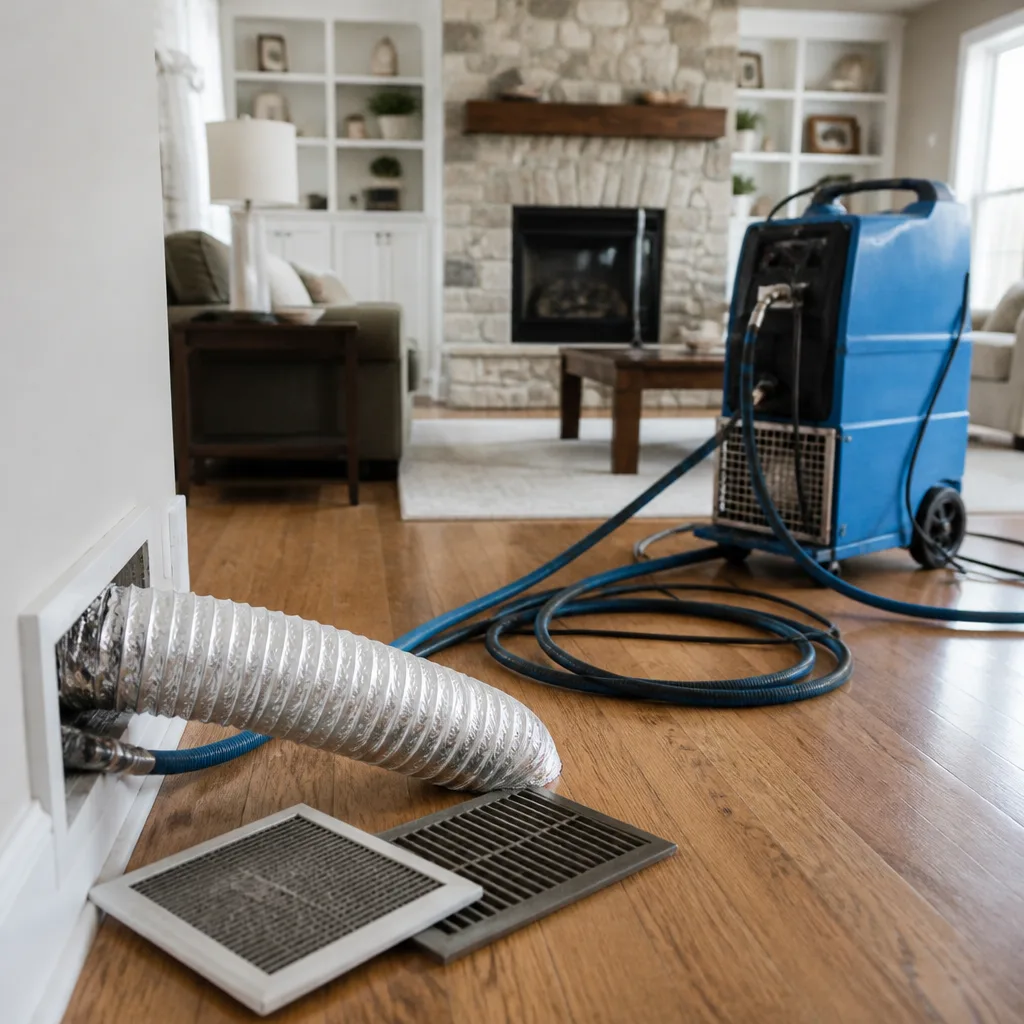
 Whole-home duct cleaning
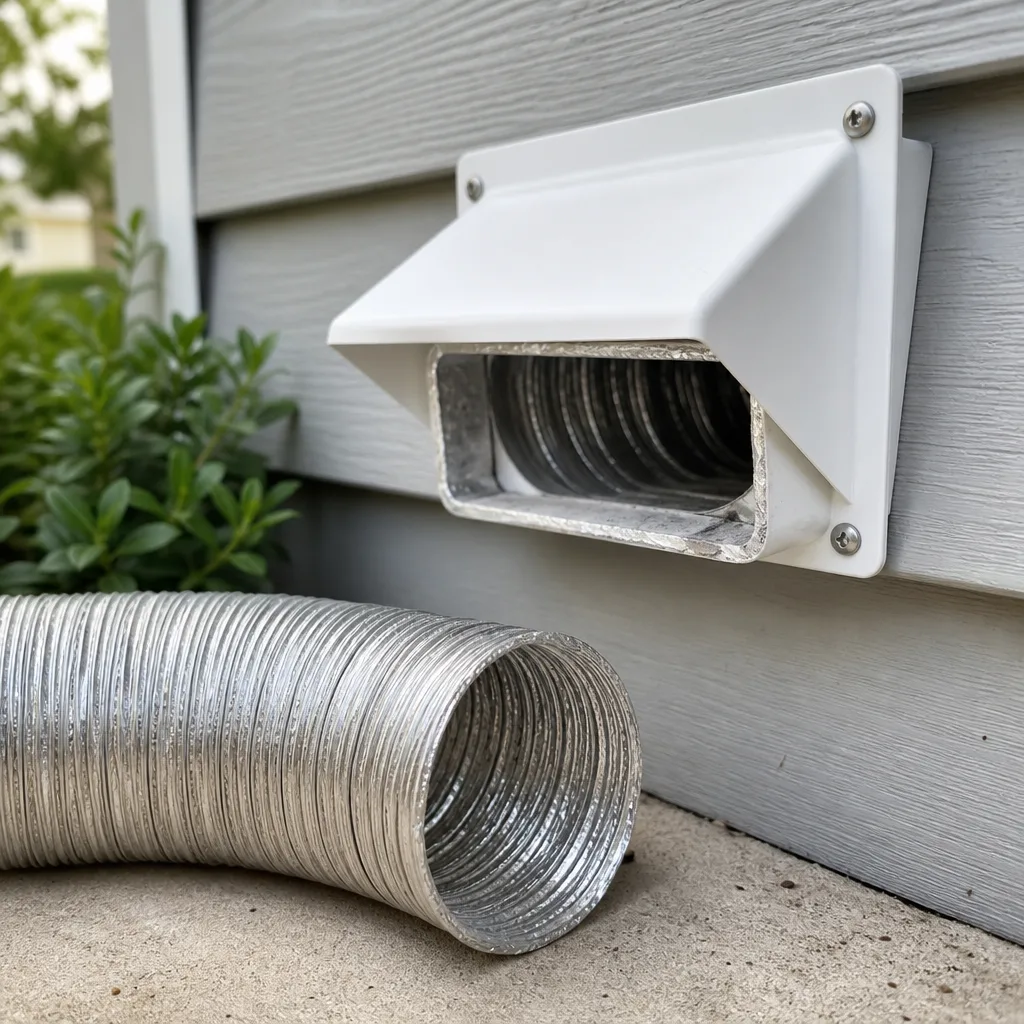 Dryer vent cleaning
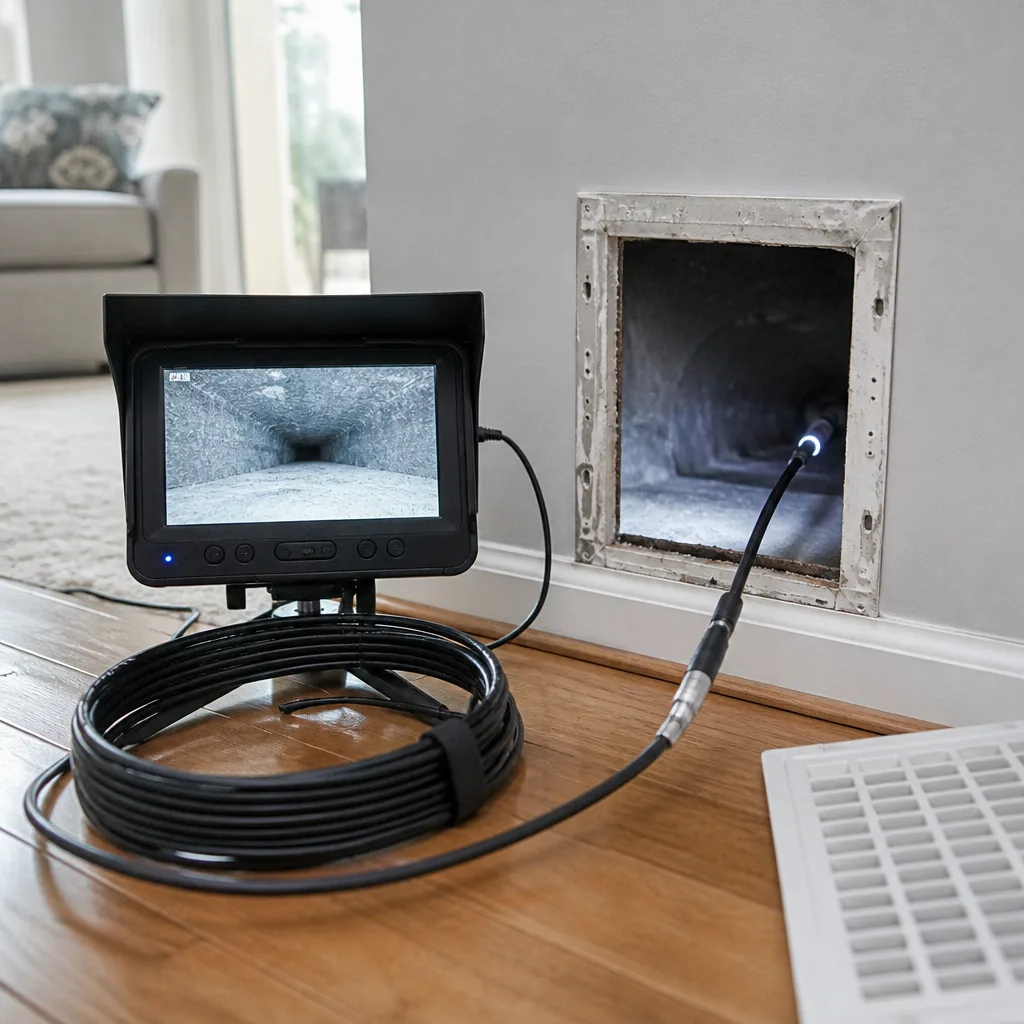 Camera inspection
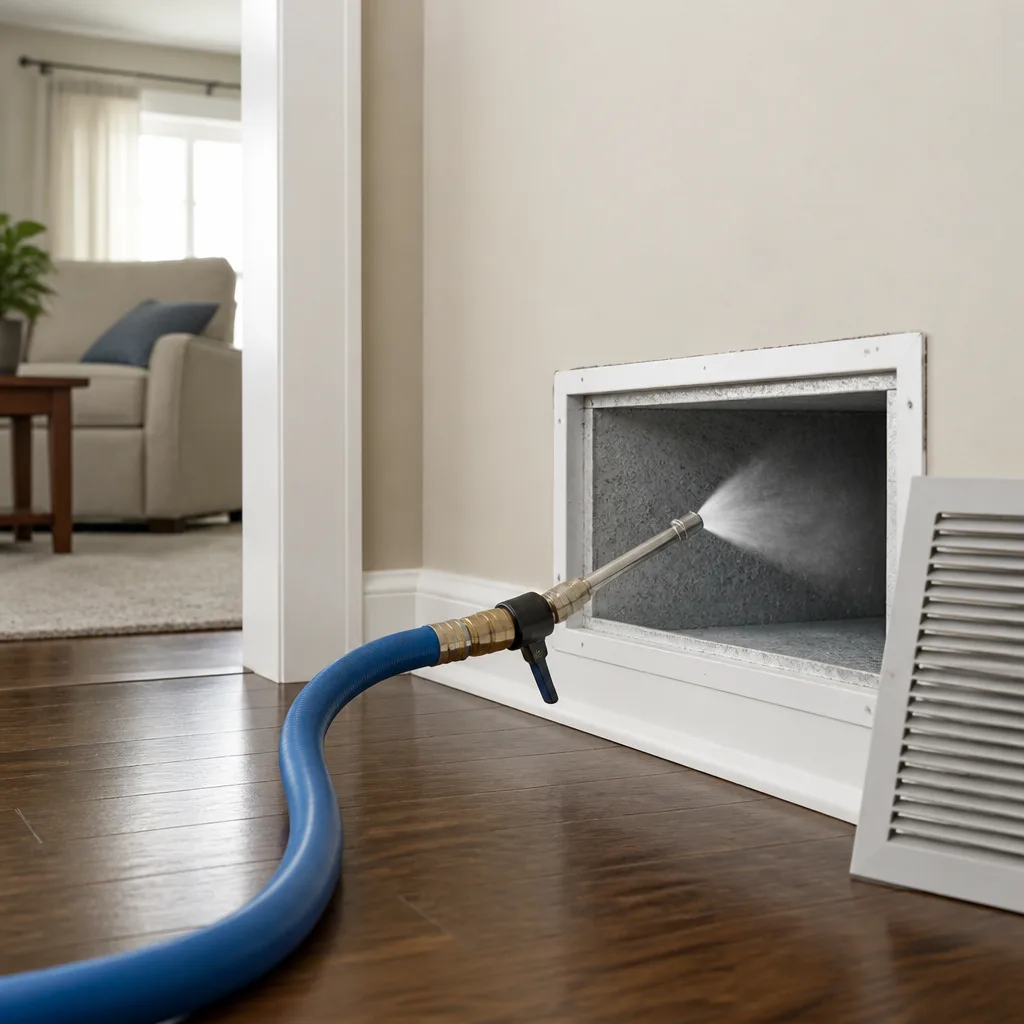 Sanitizing & deodorizing
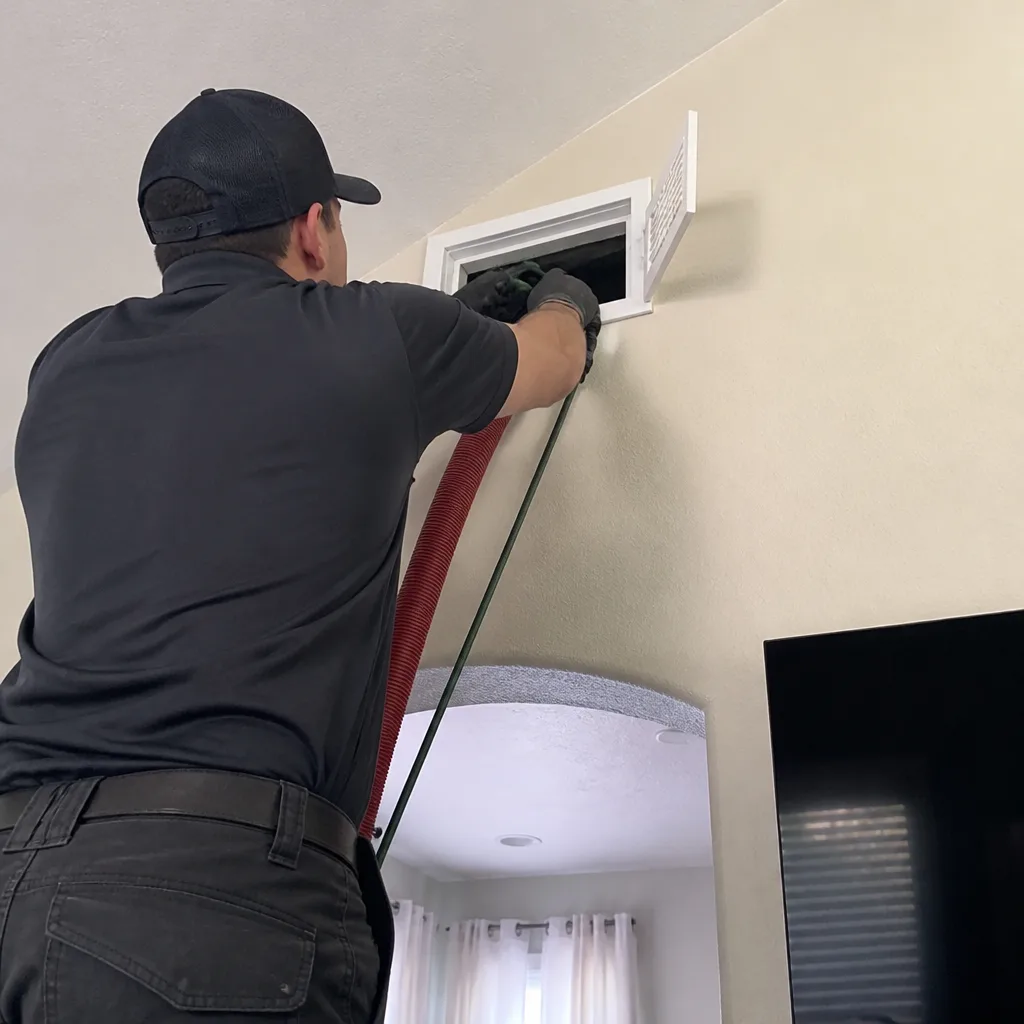
Whole-system duct and dryer vent check with before-and-after photos - you see exactly what came out of your vents
That "$99 whole-house special" is a bait ad - the real number appears once they are in your hallway, or the "clean" is a shop-vac at the register. We photograph the inside of your ducts before and after instead.
Nikro Register & Grille Cleaning: The Fort Worth Owner’s Guide
We stock and install Nikro-compatible register and grille cleaning components for Fort Worth homes, with most replacements priced between $45 and $180 installed depending on the register size and access. We keep common Nikro-spec brushes and cleaning attachments on our trucks, which means most jobs are done on the first visit.
Most Fort Worth homeowners don’t go looking for a “register and grille cleaning part” until something’s visibly wrong. You pull a floor register up to vacuum under it and the damper blade falls off its pin. Or a wall grille won’t sit flush anymore because the mounting clip snapped. Or you’ve got a ceiling supply register in a hallway that rattles every time the blower kicks on because the Nikro brush head wore the fins loose years ago. By the time you’re searching for this part, you’ve usually already lived with the symptom for a while.
Which Nikro Models This Applies To
Nikro’s register and grille cleaning line covers their negative-air and rotary brush cleaning setups, most commonly the Nikro VP-Series vacuums and the Nikro duct cleaning machine attachments that run off a 1.5-inch or 2-inch vacuum hose. The cleaning heads themselves come in a few distinct sizes: 4×10 inch, 4×12 inch, and 6×12 inch rectangular brush heads for standard residential floor registers, plus round brush heads for ceiling diffusers. The compatibility gotcha most owners hit is the hose-cuff diameter. A Nikro head built for a 1.5-inch vacuum port won’t seat properly on a 2-inch cuff without an adapter, and forcing it on strips the locking collar threads. If you’re not sure which you have, find the model number stamped on the side of the vacuum canister or on the cleaning head’s collar. We can match just about any Nikro register and grille brush to your existing machine.
On the OEM question: Nikro’s own brushes are built for commercial duty cycles and run about 20 to 40 percent more than quality aftermarket equivalents. For a homeowner cleaning their own registers twice a year, an aftermarket brush with a machined aluminum collar and nylon bristles does the job just fine and lasts about as long. Where OEM matters is the vacuum-side fittings and gaskets. Cheaper aftermarket gaskets flatten out in a Fort Worth summer and lose suction. We stock both and will tell you straight which one your situation actually needs. We’re an independent service provider, not affiliated with Nikro, so we have no incentive to push one over the other.
Styles & brands we work with
Signs Your Nikro Register & Grille Cleaning Is Failing
- Bristles are splayed flat or missing in clumps. This is the most common failure. Once the nylon bristles lose their spring and lay over, the brush scrubs instead of sweeps. A 10-year-old Nikro head that’s been used on painted steel registers in a Fort Worth home will usually show this around year six or seven.
- The brush head wobbles on the hose cuff. The collar that locks the brush to the vacuum hose wears out from repeated twisting on and off. A wobbly connection means air leaks, and air leaks mean the brush isn’t pulling debris back into the vacuum like it should.
- You hear rattling inside the register while cleaning. That’s usually a loose set-screw on the brush spindle or a damper blade that’s jumped its track inside the register itself. Running it loose risks scoring the register fins permanently.
- Suction drops noticeably at the register face. If the brush head feels fine but the pull at the register is weak, the sealing gasket between the machine and the hose is the likely culprit. This is the slow-fail part most owners miss until the dust starts escaping back into the room.
- Visible rust or corrosion on the collar or spindle. Fort Worth humidity does this over time, especially if the cleaning head is stored in a garage that cycles hot and cold. Rust on a collar means it won’t set true on the hose cuff, and you’ll chase an air leak that never quite goes away.
See the difference
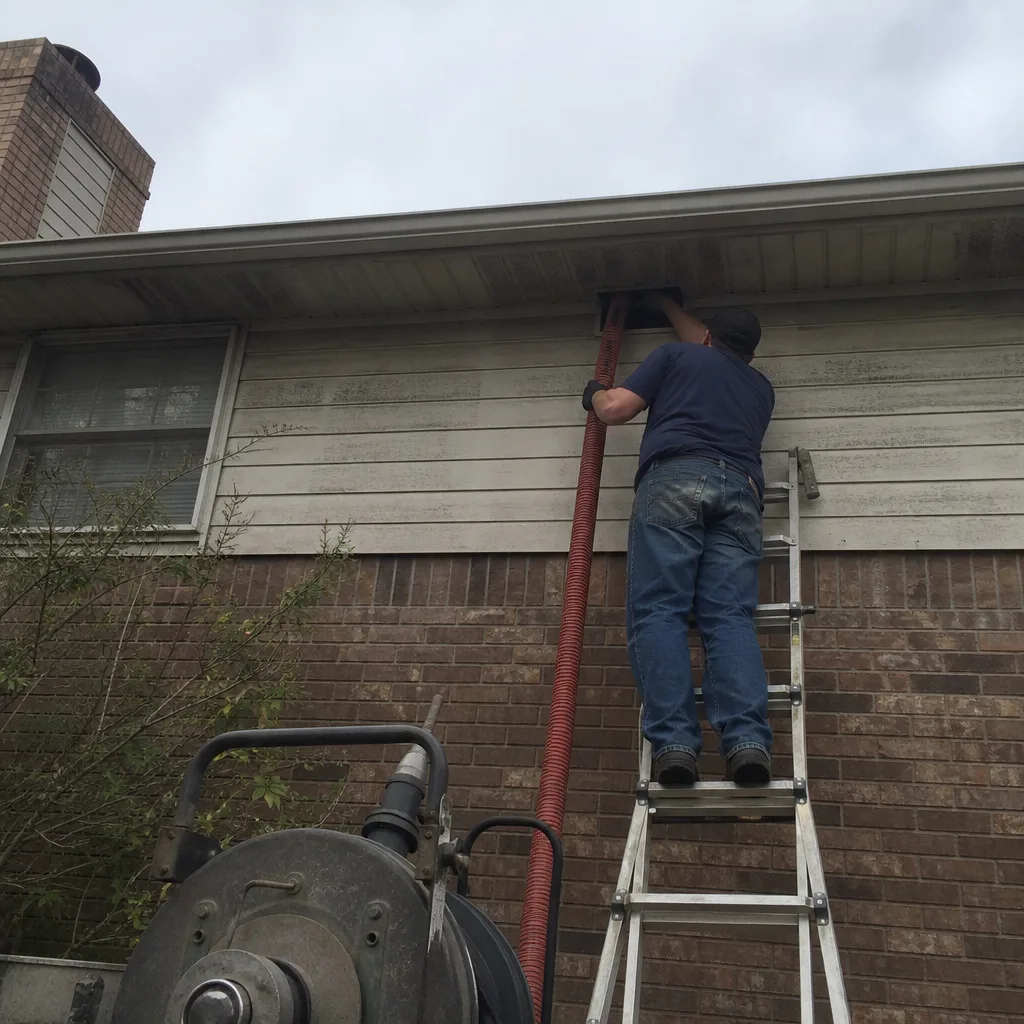 Before
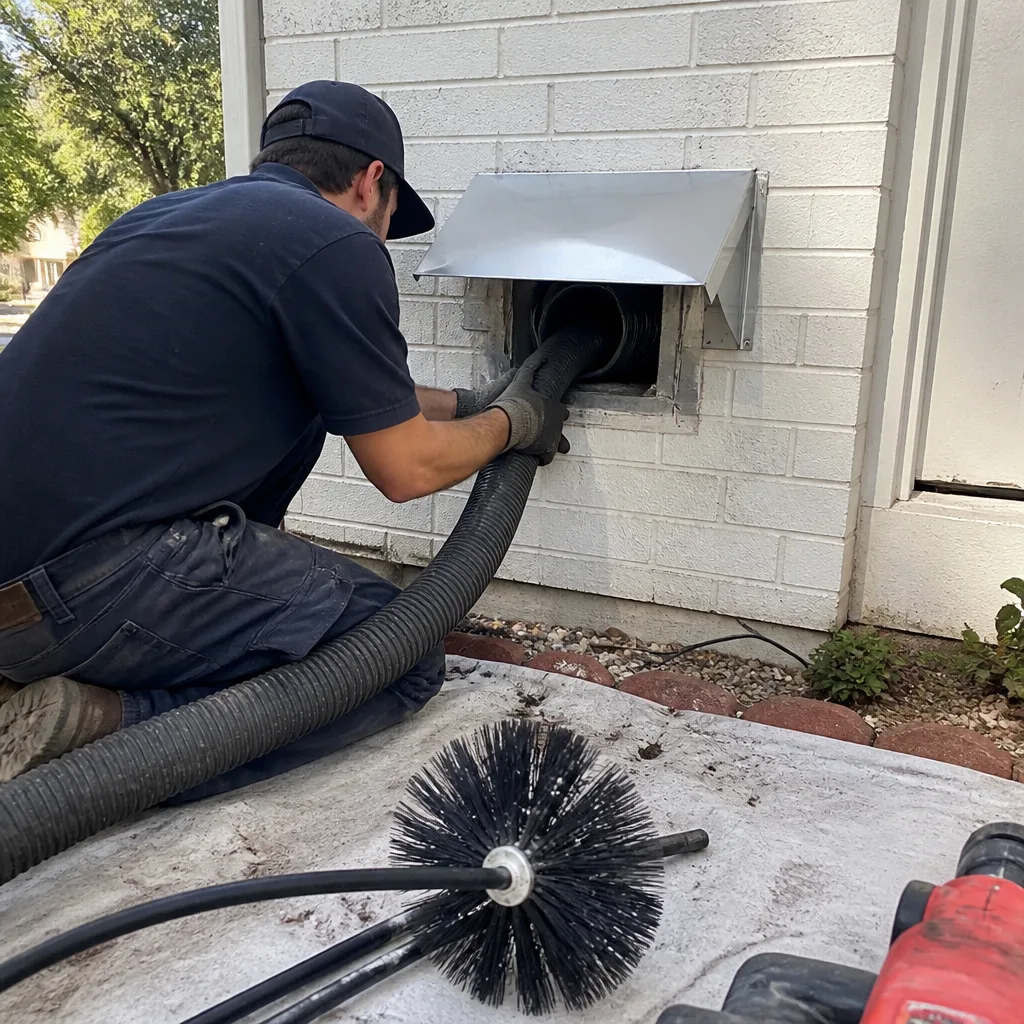 After
After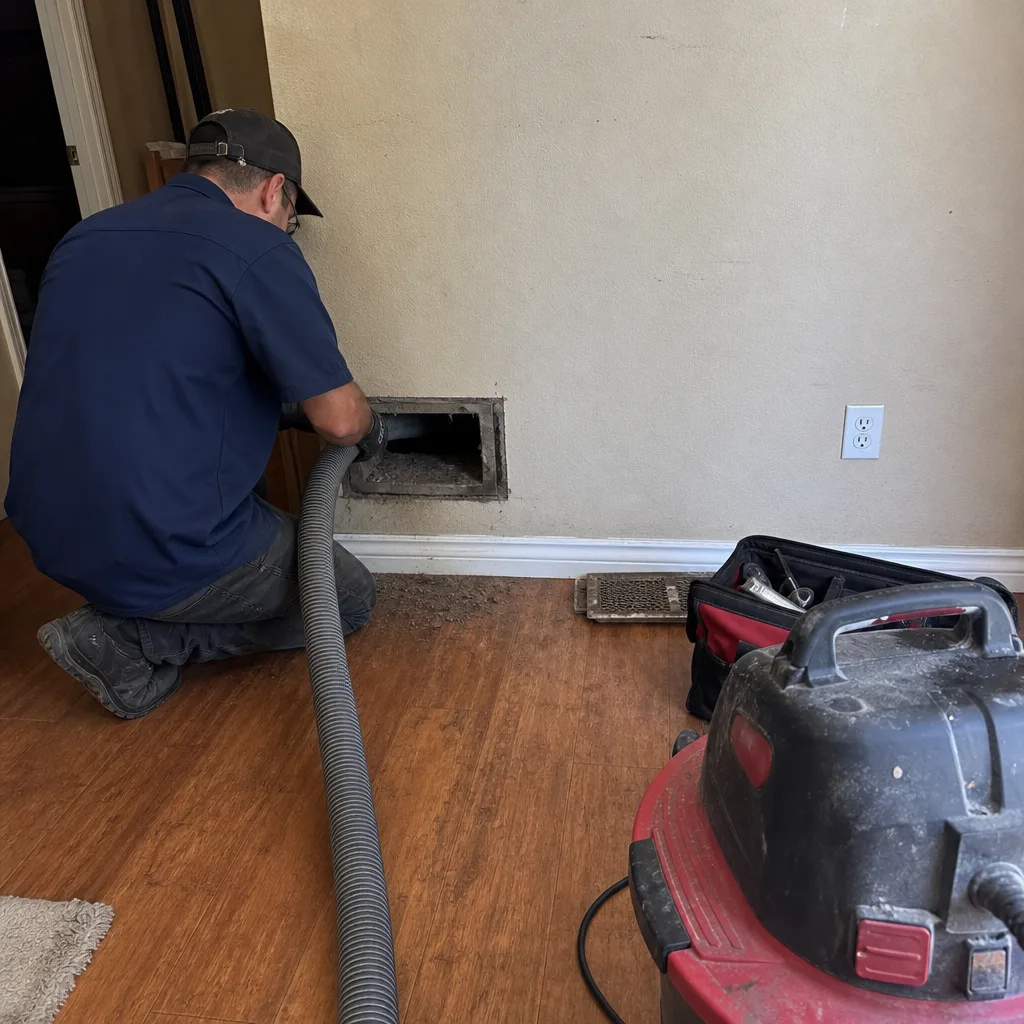 Before
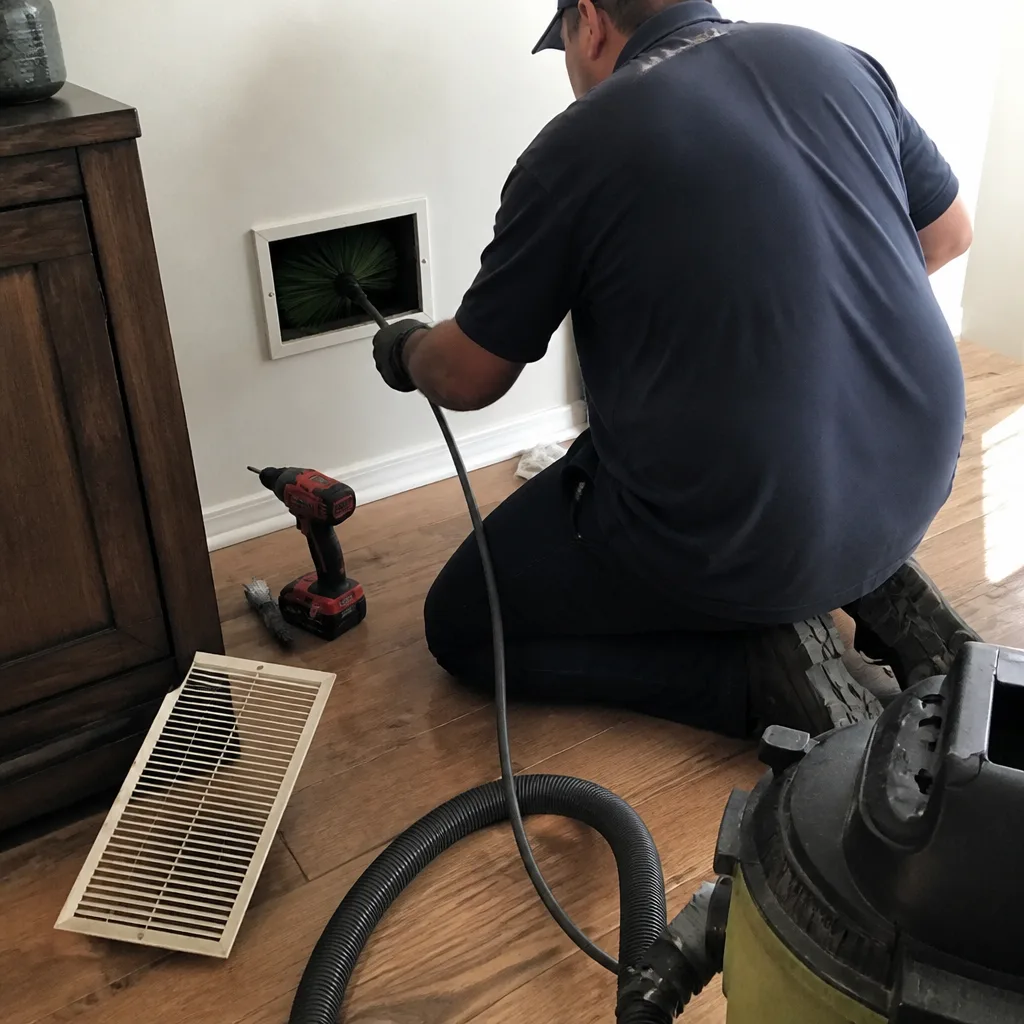 After
After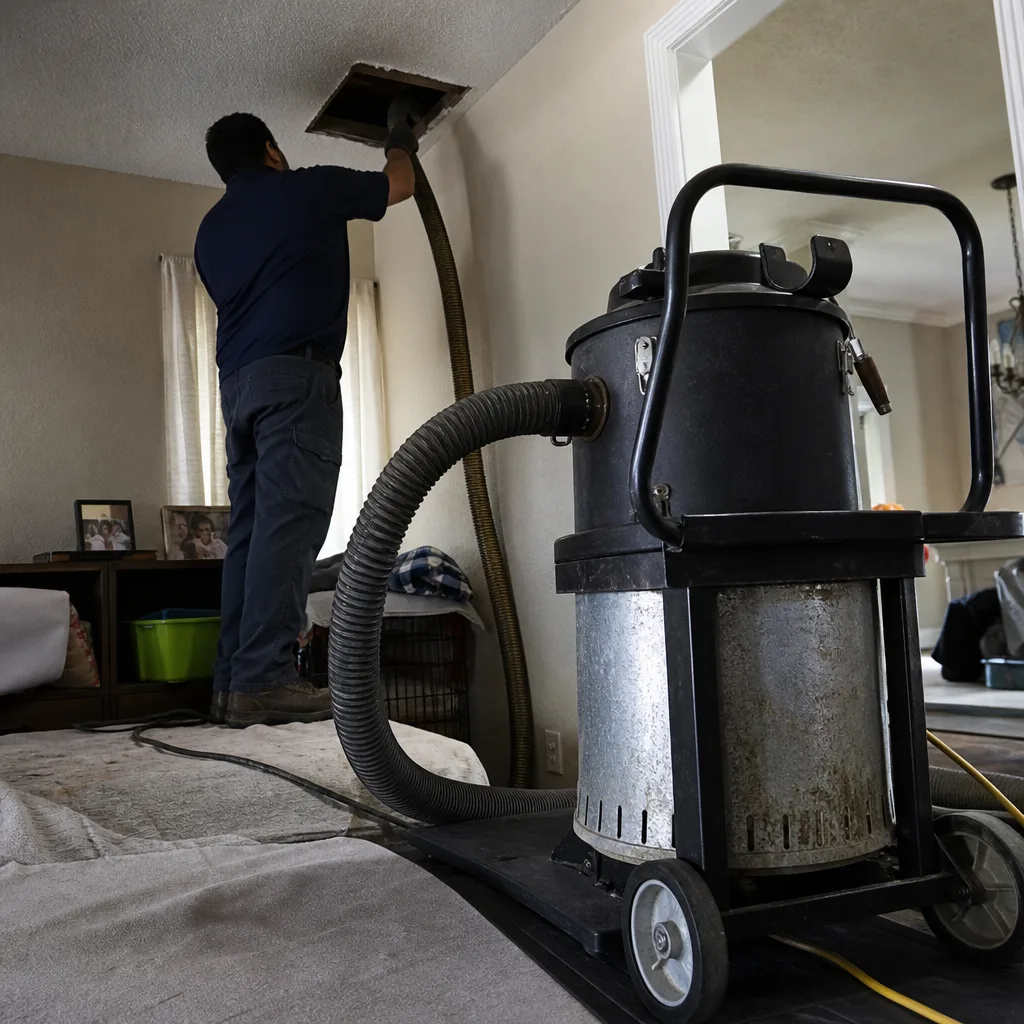 Before
 After
AfterReplacement Cost & What’s Included
In Fort Worth, a replacement Nikro-style register and grille cleaning brush head runs $45 to $90 for the part alone depending on the size and whether you go OEM or aftermarket. Installation and calibration on your machine adds about $50 to $90, bringing the full job to roughly $95 to $180. If your vacuum-side gasket or hose cuff also needs replacing, add $25 to $40. That’s the entire range for this kind of work, and we put the price in writing before we touch anything.
What drives the range is mostly access and time. A straight swap on a standard 1.5-inch port takes under an hour. A machine with a worn collar that needs a heat gun and some patience to break free adds time. We don’t charge by the vent and we don’t pad the bill after we’re on site. The price you sign off on is the price you pay, and the work is covered by our 365-Day Done Right Promise. If the replacement fails within a year, we come back and make it right at no charge, no negotiation.
DIY or Call Us?
If you just want to know what you’re dealing with before calling: check the hose-cuff diameter with a tape measure, find the model stamp on the brush collar, and note whether the bristles are splayed or the collar is cracked. These tell us everything we need to match the part on the first visit, and none of this requires any disassembly.
What usually goes wrong in DIY on this part isn’t dangerous, it’s just frustrating. Owners force the wrong fitting, strip the threads, and end up with a brush head that won’t lock on at all. Then they’re replacing the collar too. If you’re comfortable with basic hand tools and have already confirmed your hose diameter, a brush-head swap is genuinely doable in 20 minutes. If any of that sounds like more than you want to deal with, call us at (682) 255-2572 and we’ll handle it same visit.
FAQs
How long does a Nikro register and grille cleaning brush last? With typical homeowner use, the brush head itself lasts 5 to 8 years in Fort Worth conditions. The vacuum-side gasket usually fails first, often around year 3 to 4, because it’s the component that takes the most compression and heat cycling.
Can the old brush head be repaired instead of replaced? Sometimes. If the only issue is a loose set-screw or a flattened gasket, we can often restore it for under $40. If the bristles are splayed or the collar threads are damaged, repair isn’t worth it and replacement is the honest call. Call (682) 255-2572 and we’ll tell you which path you’re in before any work starts.
How long does the replacement take? Most register and grille cleaning part replacements take 30 to 60 minutes on site. We carry common Nikro-spec brush heads on the truck, so there’s usually no ordering delay.
Do you stock the part, or do I need to order it? We stock the common Nikro-compatible brush heads, hose cuffs, and gaskets on our service vehicles. Unusual sizes can be ordered and usually arrive within a few business days in Fort Worth.
If your Nikro register and grille cleaning head needs a straight replacement or you just want us to diagnose the suction drop you’ve noticed, call (682) 255-2572. We’ll get you a written price before any work begins and have you back to clean registers without the fight. We also keep parts on hand for Lennox, Trane, and Carrier systems, so if something else in your duct setup needs attention while we’re there, we can usually handle it the same day.
Written by Roy Castellanos, Owner, Hollis Air Duct Fort Worth at Hollis Air Duct Fort Worth, serving Fort Worth and nearby areas.