
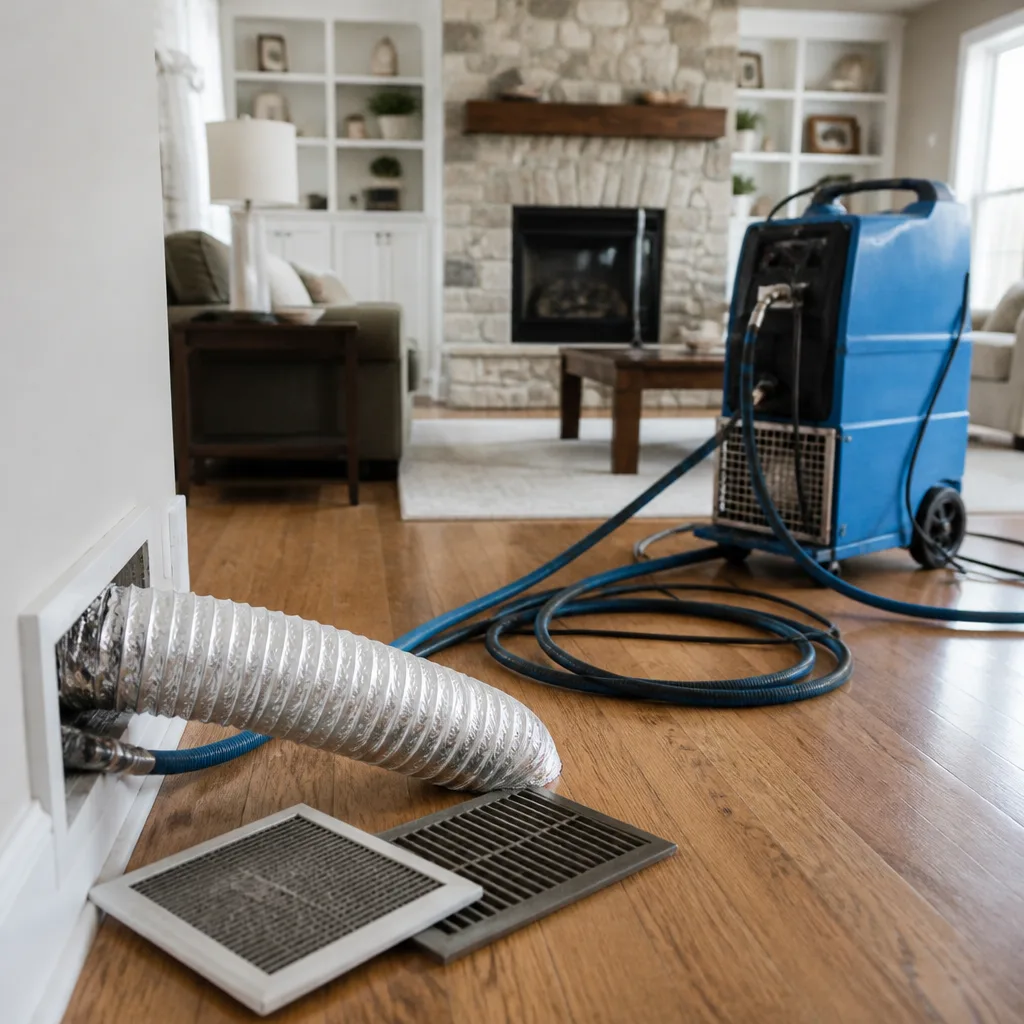
 Whole-home duct cleaning
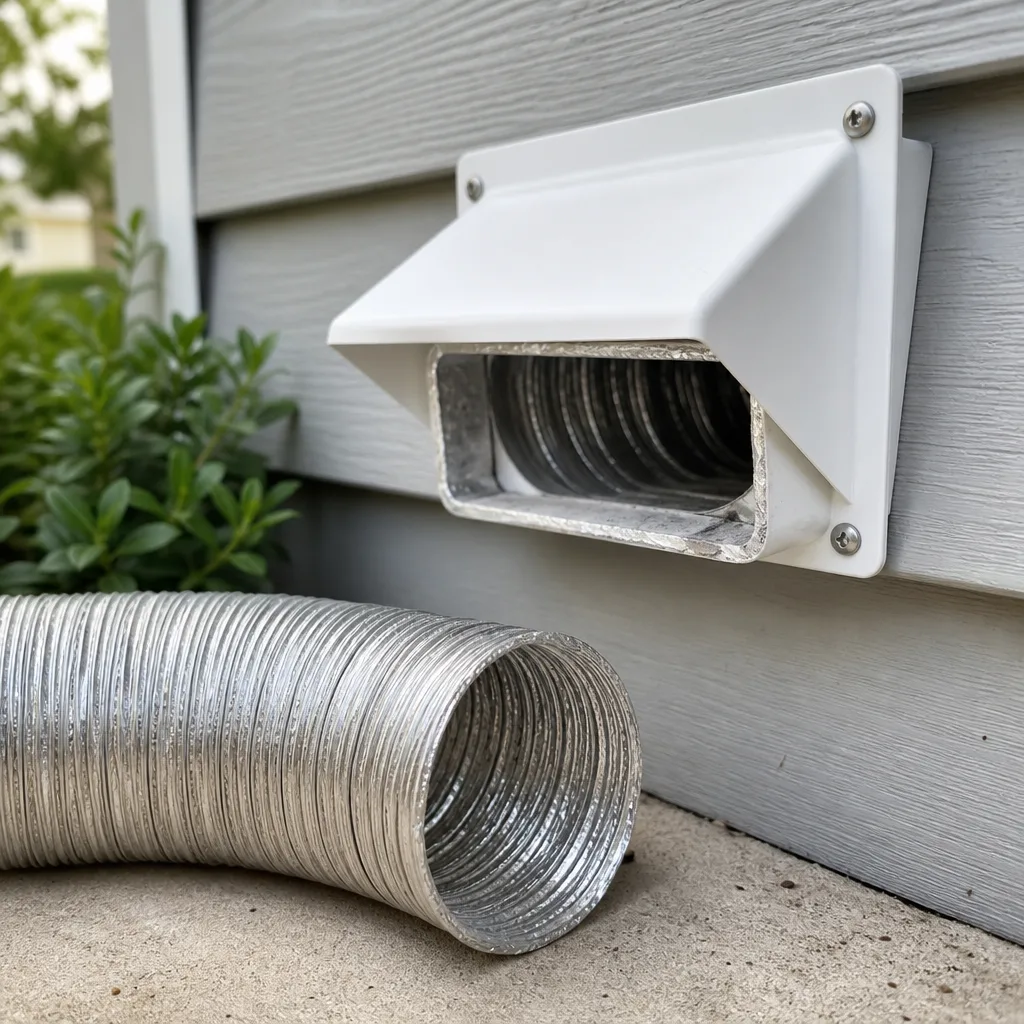 Dryer vent cleaning
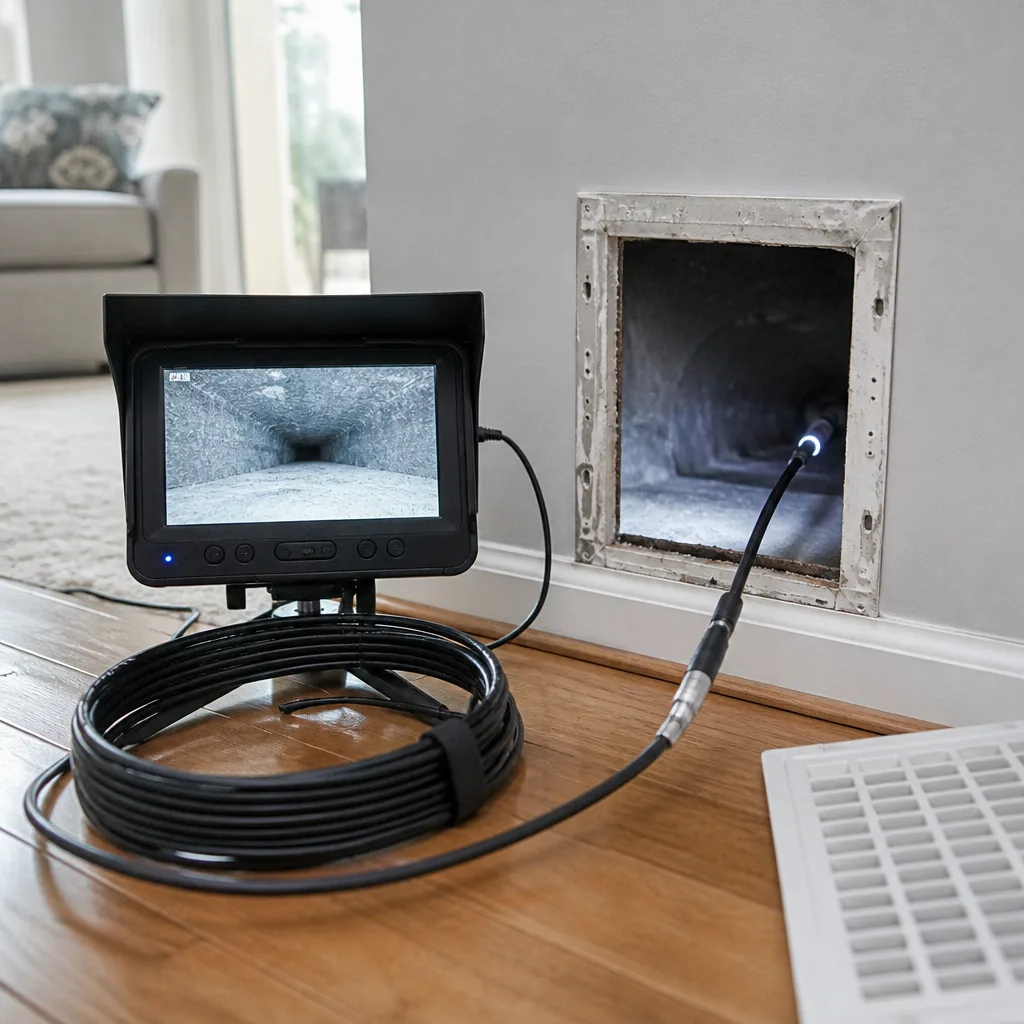 Camera inspection
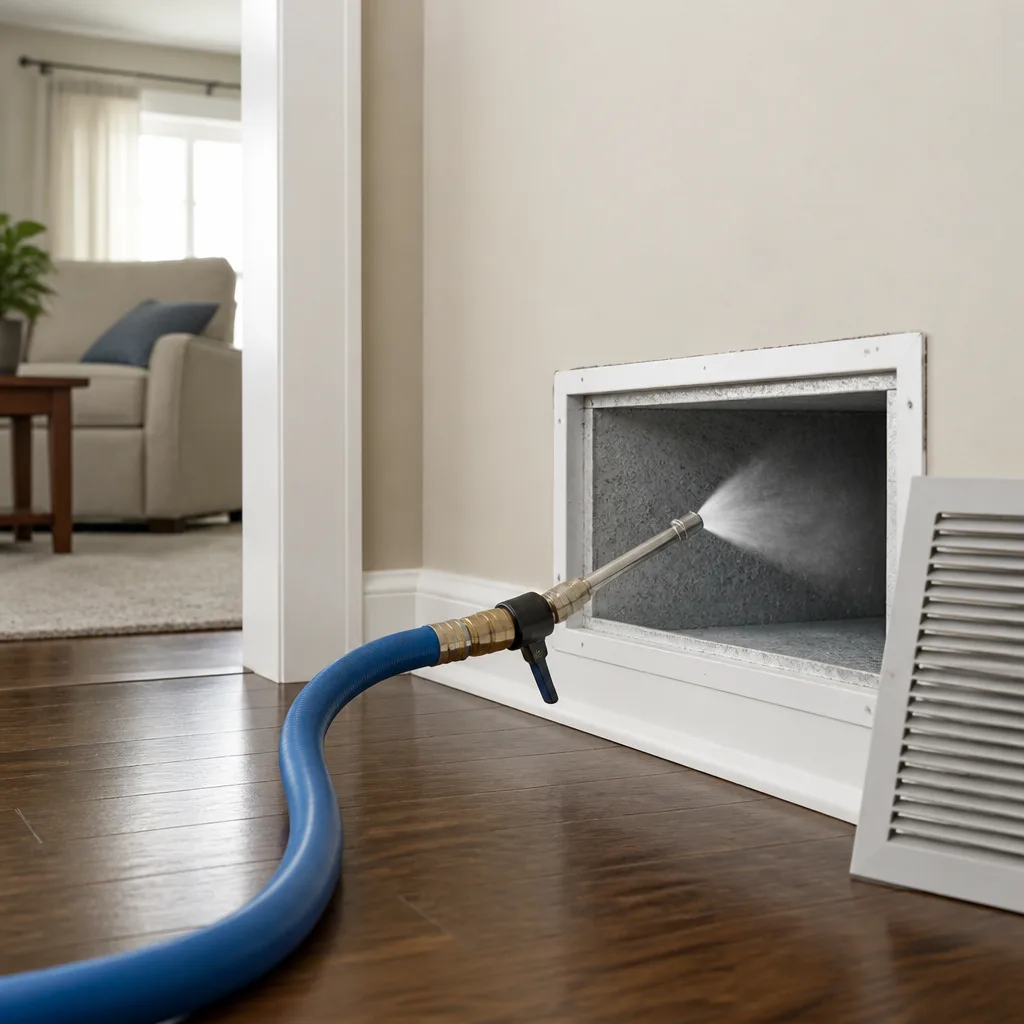 Sanitizing & deodorizing
Whole-system duct and dryer vent check with before-and-after photos - you see exactly what came out of your vents
That "$99 whole-house special" is a bait ad - the real number appears once they are in your hallway, or the "clean" is a shop-vac at the register. We photograph the inside of your ducts before and after instead.
Rotobrush Duct Sealing & Repair: The Fort Worth Owner’s Guide
If your Rotobrush system has a failed seal, cracked fitting, or a duct run pulling loose, we stock replacement sealing components in Fort Worth and can typically complete the repair in a single visit. Installed Rotobrush duct sealing and repair here runs between $180 and $520 depending on the number of sealing points, access difficulty, and whether we’re repairing existing Rotobrush hardware or replacing a worn component with a new equivalent. Most Fort Worth homeowners discover the failure the same way: a room that won’t hold temperature, dust collecting faster than it should, or a visible gap that appeared at a duct joint after years of attic heat cycles.
Roy Castellanos has been opening up duct systems across Fort Worth for the better part of two decades, and one pattern holds steady: Rotobrush duct sealing components don’t typically fail all at once. They crack, compress, and peel away slowly, usually where the Texas heat has baked the material for years in an unconditioned attic. By the time a homeowner notices the draft, the seal has been failing for a season or two.
Which Rotobrush Models This Applies To
Rotobrush sealing and repair applies across their rotary brush duct cleaning systems and the sealing accessories used alongside them. If you have a Rotobrush aiR+ or a Rotobrush portable rotary brush unit, the sealing components that wear first are the flexible duct collars, the brush-to-hose gaskets, and the access-port seals on the cleaning hose connections. These are not universal parts, and here’s a compatibility gotcha most owners run into: a Rotobrush hose seal from a mid-2010s unit will not seat properly on the newer collars without an adapter. The quickest way to identify your exact match is the part number molded into the side of the worn seal or the inner diameter measurement of your hose fitting. We carry both OEM Rotobrush components and quality aftermarket equivalents. Our take from years of installs: for sealing collars and gaskets that flex under vacuum and heat, OEM holds up measurably longer in Fort Worth attics, where summer interior surfaces routinely exceed 140 degrees. For rigid duct fittings and access plates, a well-made aftermarket part performs just as well at a lower price. We stock both on the truck so you’re not waiting on a shipment.
Styles & brands we work with
Signs Your Rotobrush Duct Sealing & Repair Is Failing
- One room is consistently 4 to 6 degrees off from the rest of the house. A failed seal at a supply trunk or branch collar lets conditioned air into the attic before it reaches that room. The system works harder, and the room never catches up.
- Dust accumulates on surfaces within days of cleaning. A gap at a return-side seal pulls attic air and blown insulation dust directly into your return stream. This is the most common cause of unexplained dust in older Fort Worth ranch-style homes out near the Stockyards.
- You can feel a draft or hear a soft whistle near a visible duct joint. A cracked collar flexes under pressure and the gap opens and closes as the blower cycles. The small sound is usually the first physical sign before the gap becomes visible.
- Energy bills climb during a Fort Worth summer while nothing else changes. A 1-inch gap at a supply trunk in a 130-degree attic is not small. It is a leak, measured in lost cubic feet per minute, running every hour your AC runs.
- The seal material is visibly cracked, peeling, or shiny at the edge. Rotobrush sealing collars get brittle with age and heat exposure. If the material looks glazed or you can chip a flake off with a fingernail, it’s past the point of resealing and needs replacement.
See the difference
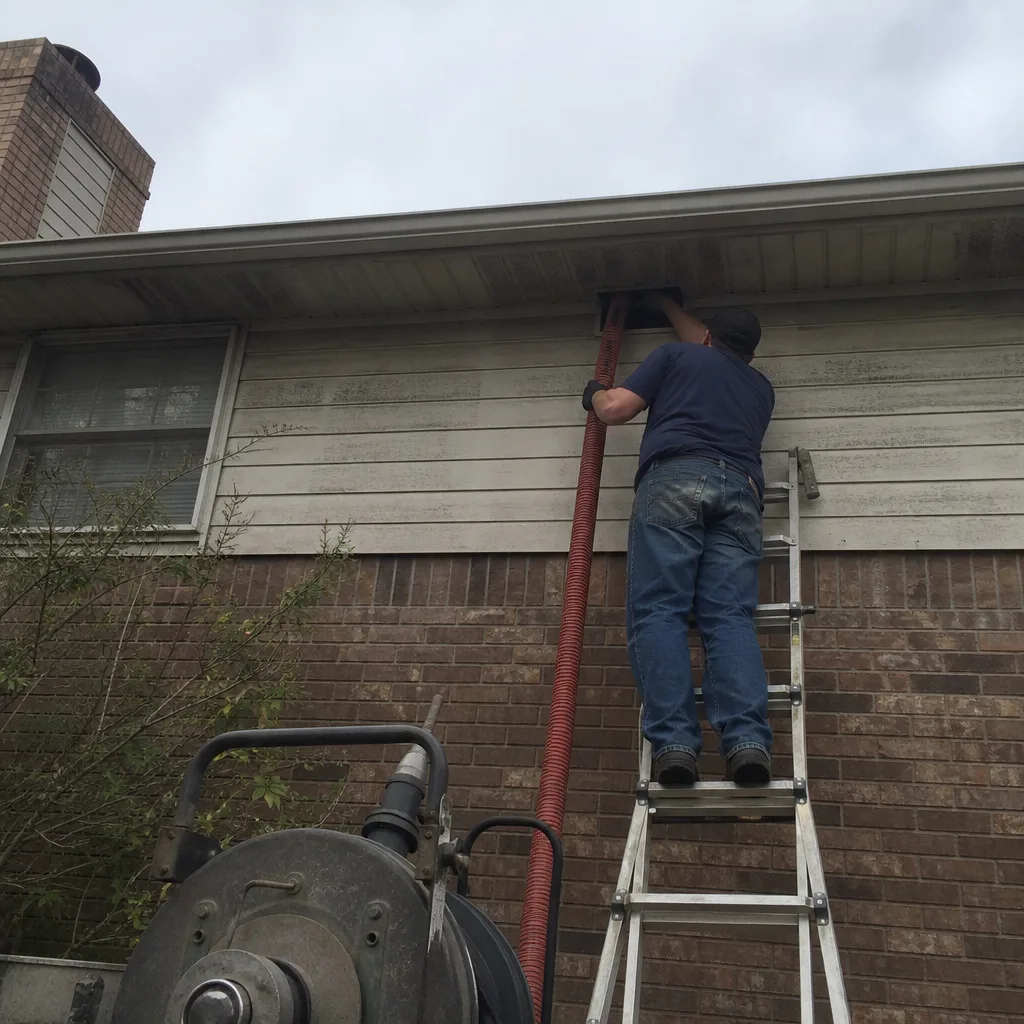 Before
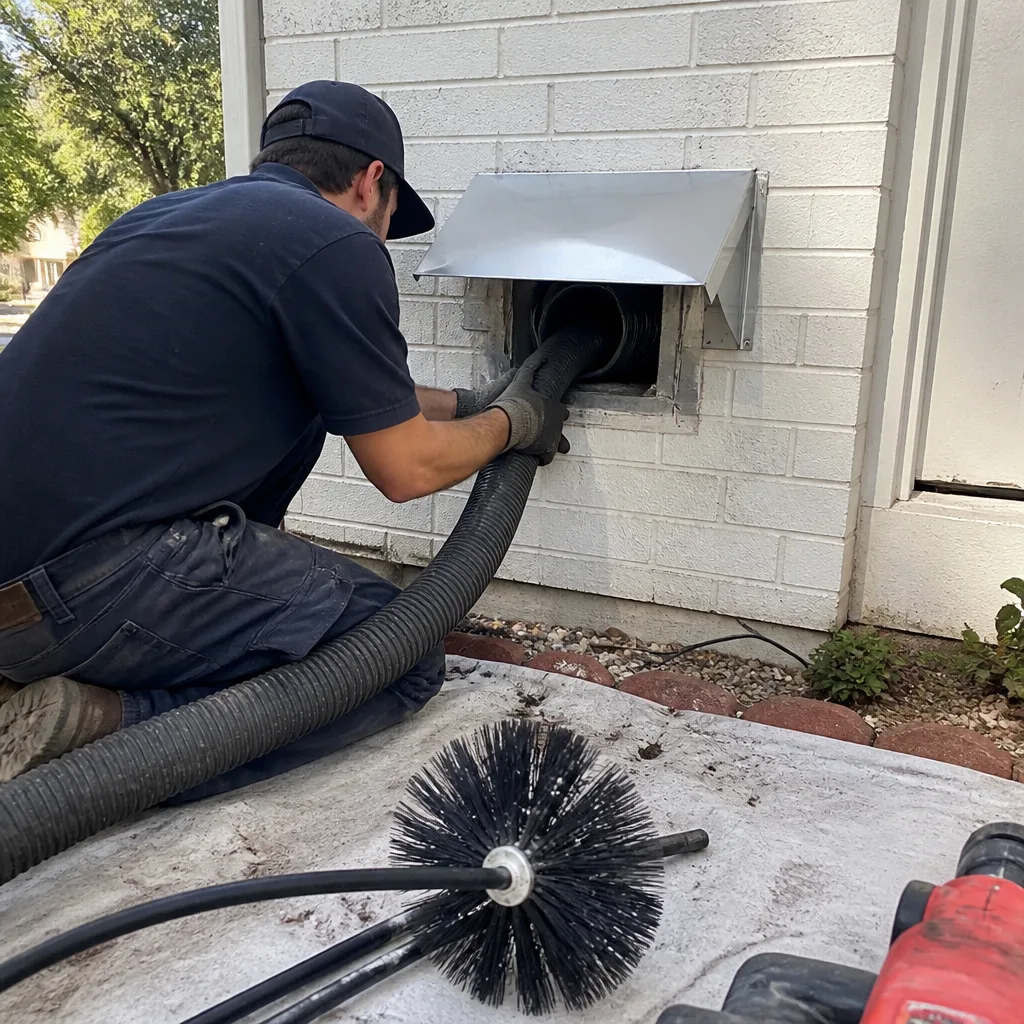 After
After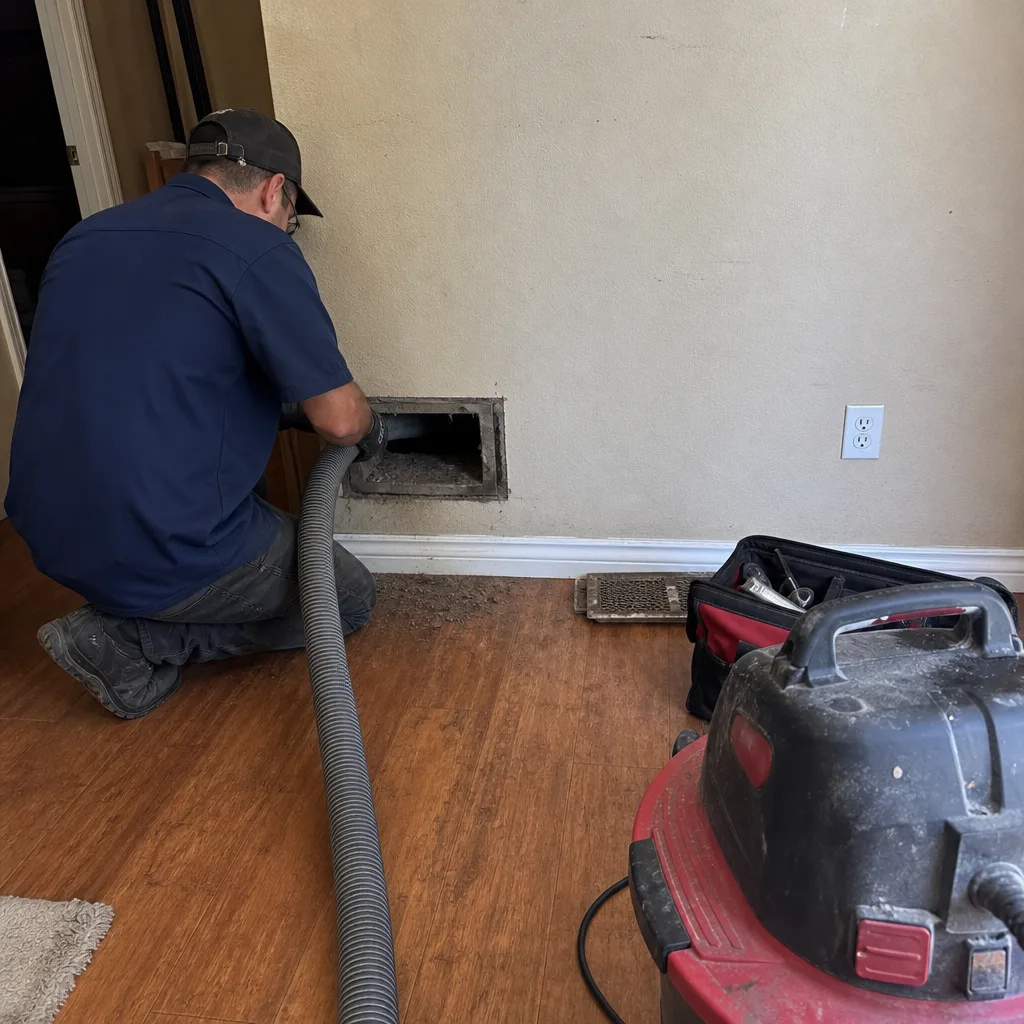 Before
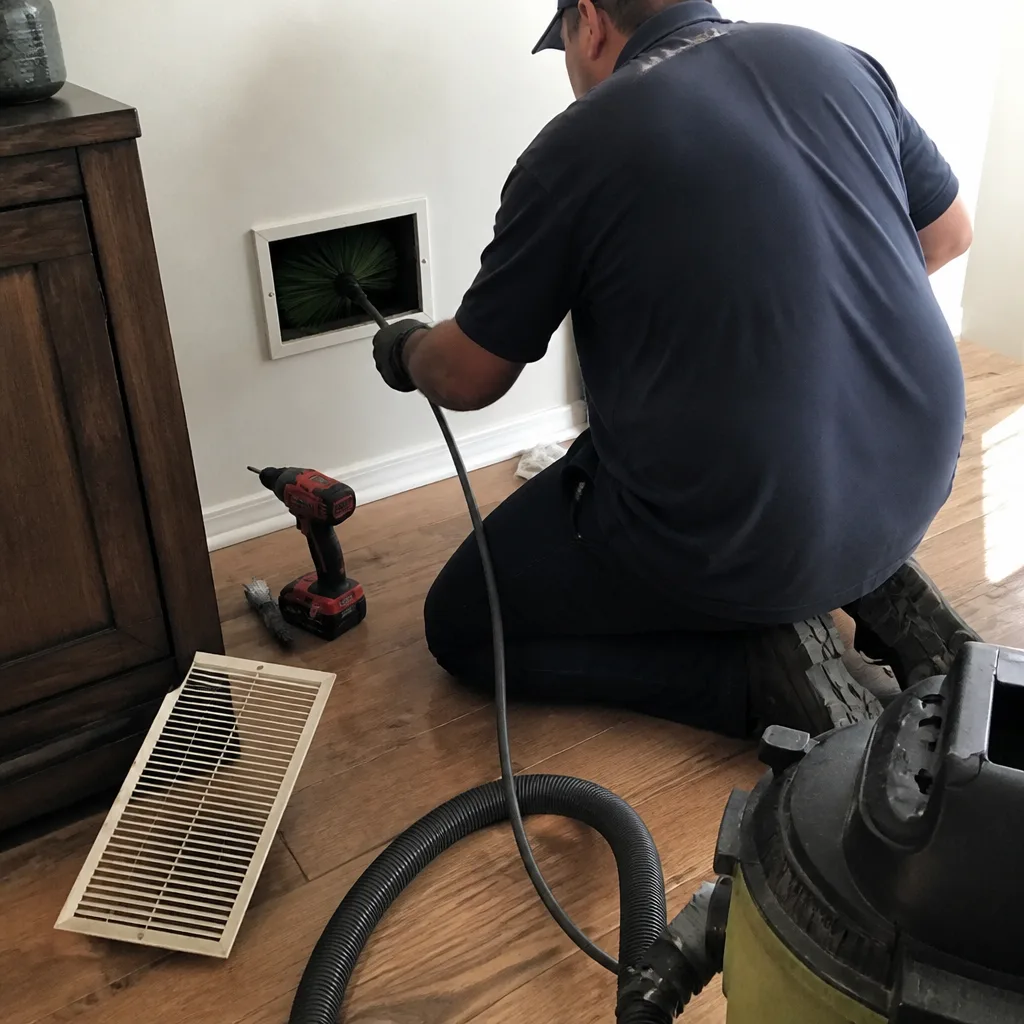 After
After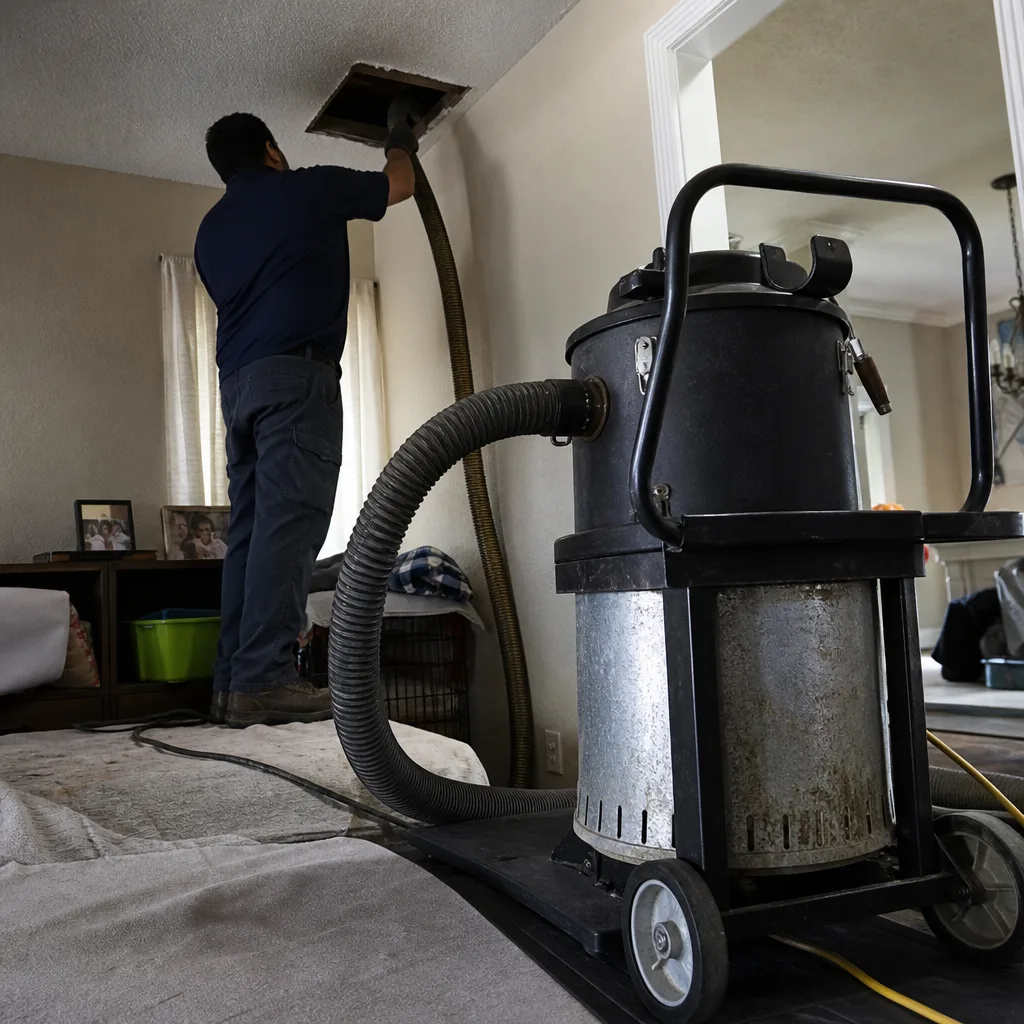 Before
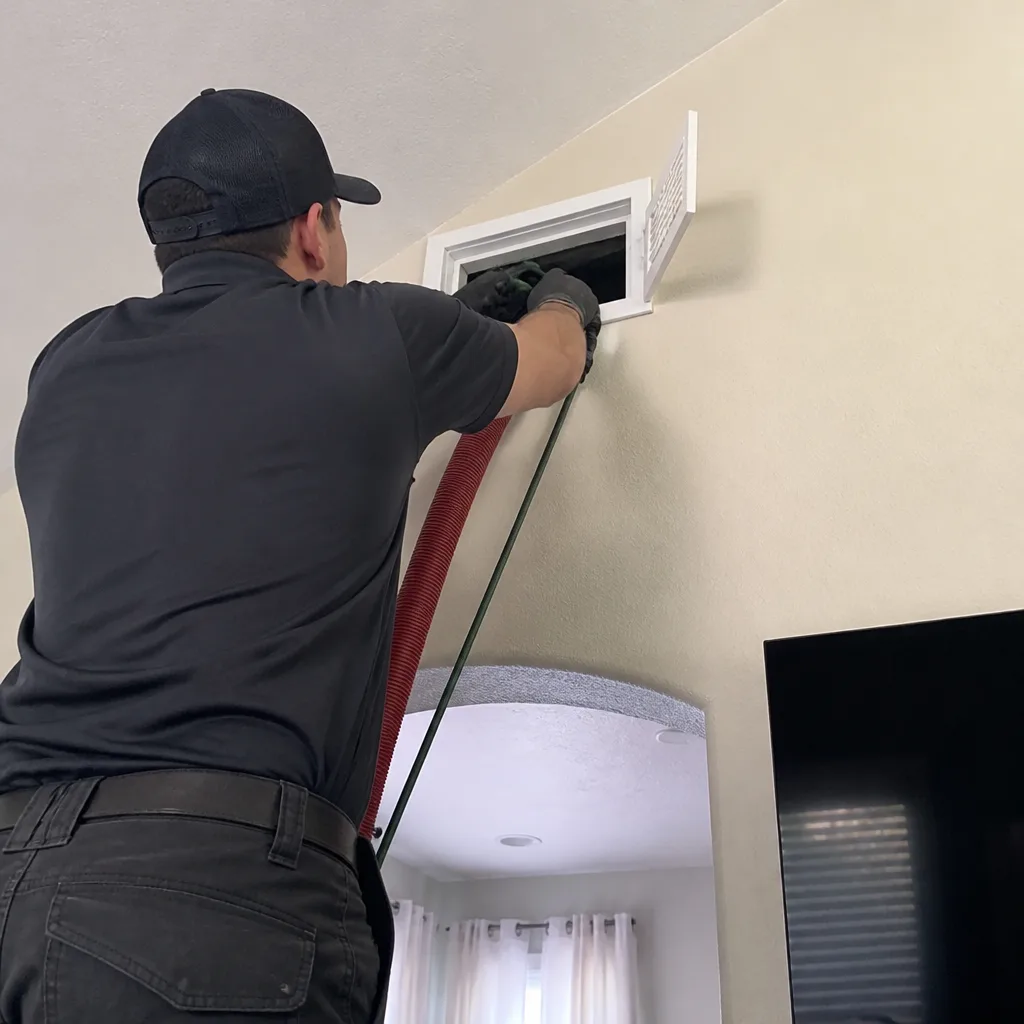 After
AfterReplacement Cost & What’s Included
Installed Rotobrush duct sealing and repair in Fort Worth typically costs between $180 and $520. The low end covers a single failed seal or collar replacement with a stock part, straightforward attic access, and about 45 minutes of labor. The high end covers multiple sealing points across several duct runs, access through a cramped attic, removal of old brittle material, and full resealing with new components from Rotobrush or a specification-matched equivalent. Every job gets a written price before work begins. The price includes the part, the labor, removal of the failed material, and a clean site when we leave. The 365-Day Done Right Promise covers the work in writing: if the repair fails within a year, we return and make it right at no charge, including a free second visit.
DIY or Call Us?
There’s one thing you can safely check yourself: the visible condition of the seals around accessible duct joints. Look for cracking, separation, or a shiny, hardened edge. That’s a diagnostic step, not a repair. The DIY risk with duct sealing isn’t a safety hazard to you like a garage door spring, but it is a false-economy risk: most homeowners apply off-the-shelf foil tape or mastic over a failed Rotobrush collar without removing the failed material first. It works for about six months in a Fort Worth attic, then fails again, and now the second repair costs more because someone has to clean the first repair off. If you have a collapsed section, a failed collar, or a duct that has pulled loose inside a wall or tight attic chase, call us at (682) 255-2572. We’ll match the part to the Rotobrush model, price it in writing, and do the repair once.
FAQs
In the Fort Worth attic environment, Rotobrush duct sealing gaskets and collars typically last 8 to 12 years before the material becomes brittle enough to fail. Attics that run hotter, have poor ventilation, or experience wide temperature swings across the year will see that come down.
We can reseal a gap or a separated seam on a duct joint that is otherwise structurally sound. When the Rotobrush sealing collar itself is cracked, glazed, or brittle, the proper fix is replacement. Trying to stretch a failed seal another season is exactly how Fort Worth homeowners end up with the same leak returning in four months.
Most single-seal and single-collar repairs take 45 minutes to two hours depending on attic access. Multiple sealing points across several branches will take longer, and the price reflects that. We tell you the total before we start, in writing.
We stock Rotobrush sealing gaskets, collars, and common fittings on our trucks for same-visit repair. Less common Rotobrush-specific components can take a day or two if they’re not on hand. We also stock parts that cross-reference with Lennox, Trane, and Carrier equipment in Fort Worth.
If you can hear the leak, feel the draft, or you’ve simply stopped trusting that the air you pay to cool is staying in your house, call (682) 255-2572 for a free estimate. We’ll look at the system, tell you what’s failed, and give you a price in writing before anything gets touched.
Written by Roy Castellanos, Owner, Hollis Air Duct Fort Worth at Hollis Air Duct Fort Worth, serving Fort Worth and nearby areas.